Yesterday, the ADI Wildlife Sanctuary team fought back a fire after sparks from a broken national power line ignited a wildfire and high winds propelled it into the sanctuary. ADI scrambled multiple mobile fire fighters and we were joined by ten neighbours who worked in often thick smoke to fight the blaze.
The lions and tigers were moved into their safe zones (feeding camps and houses) and the areas soaked. Crates were positioned in case evacuation was needed. All of the lions and tigers remained calm, including guests Elsa and Lei-ah who we feared the smoke might bring back frightening memories. One of our wild tortoises was moved to safety and the fire was successfully stopped well away from animal habitats but left a significant area in the north of the sanctuary scorched.
One member of our Resident Welfare Team was injured fighting the fire, received hospital treatment and is back at the sanctuary.
Huge thanks to our team and our local friends for battling to protect our sanctuary and the animals in it. The incident highlighted the importance of our fire-fighting training and protocols, the equipment supporters have helped us purchase, staff living on site and collaborating with neighbours. The ADIWS team has gone out to help fight fires in many locations and we certainly appreciated the help when we needed it.
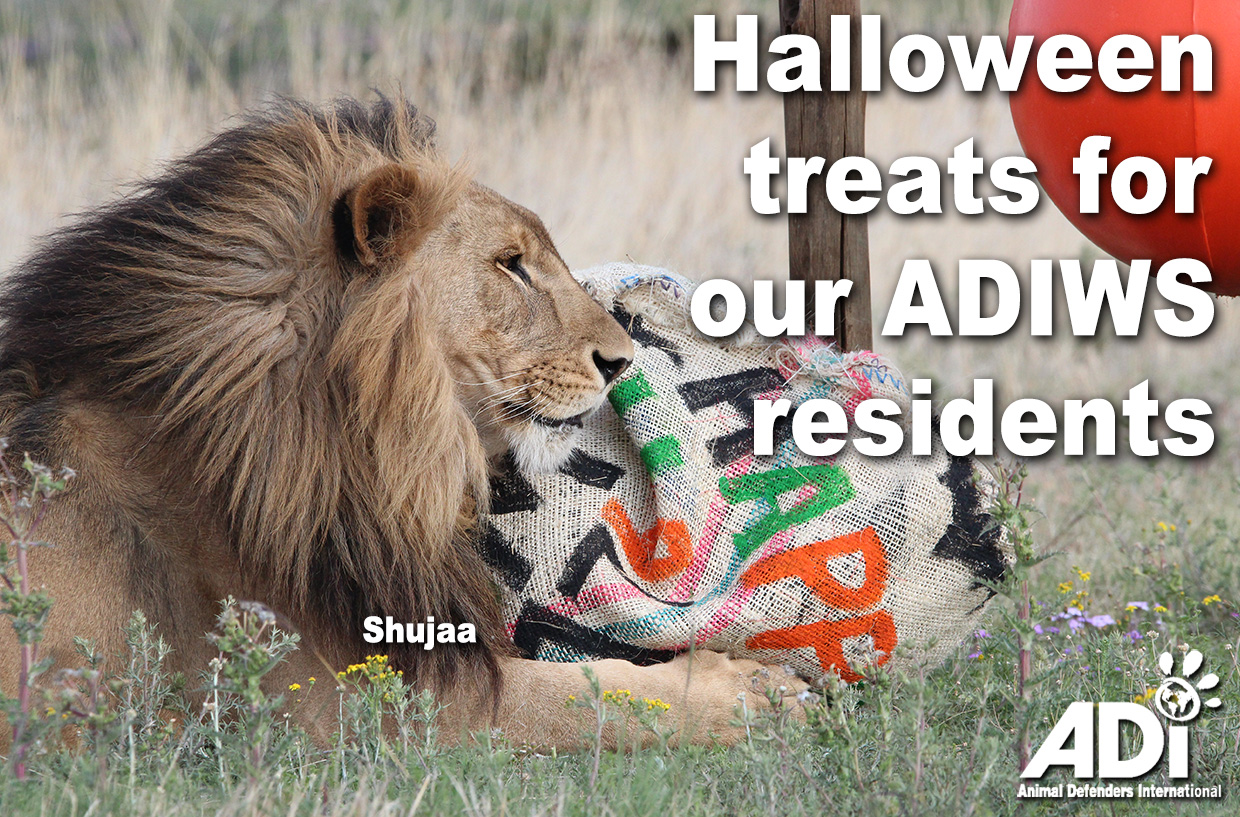
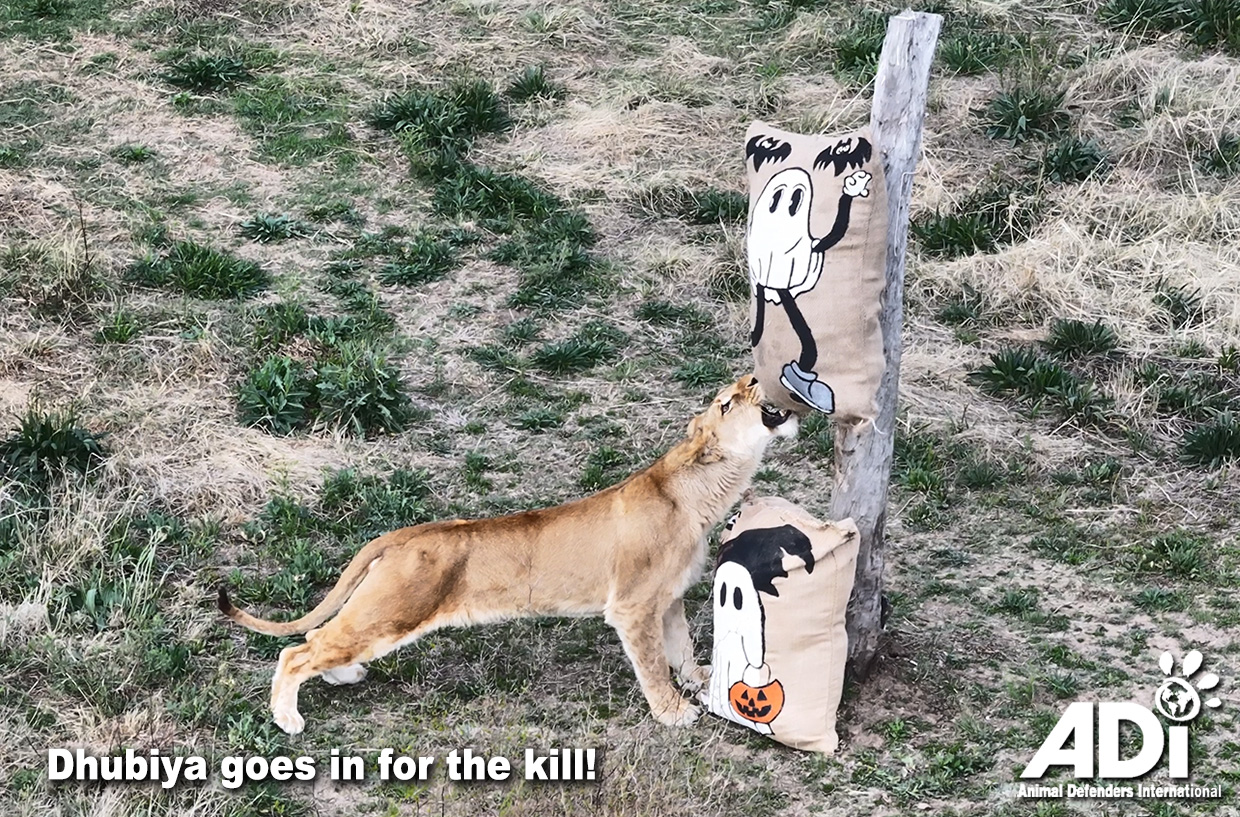
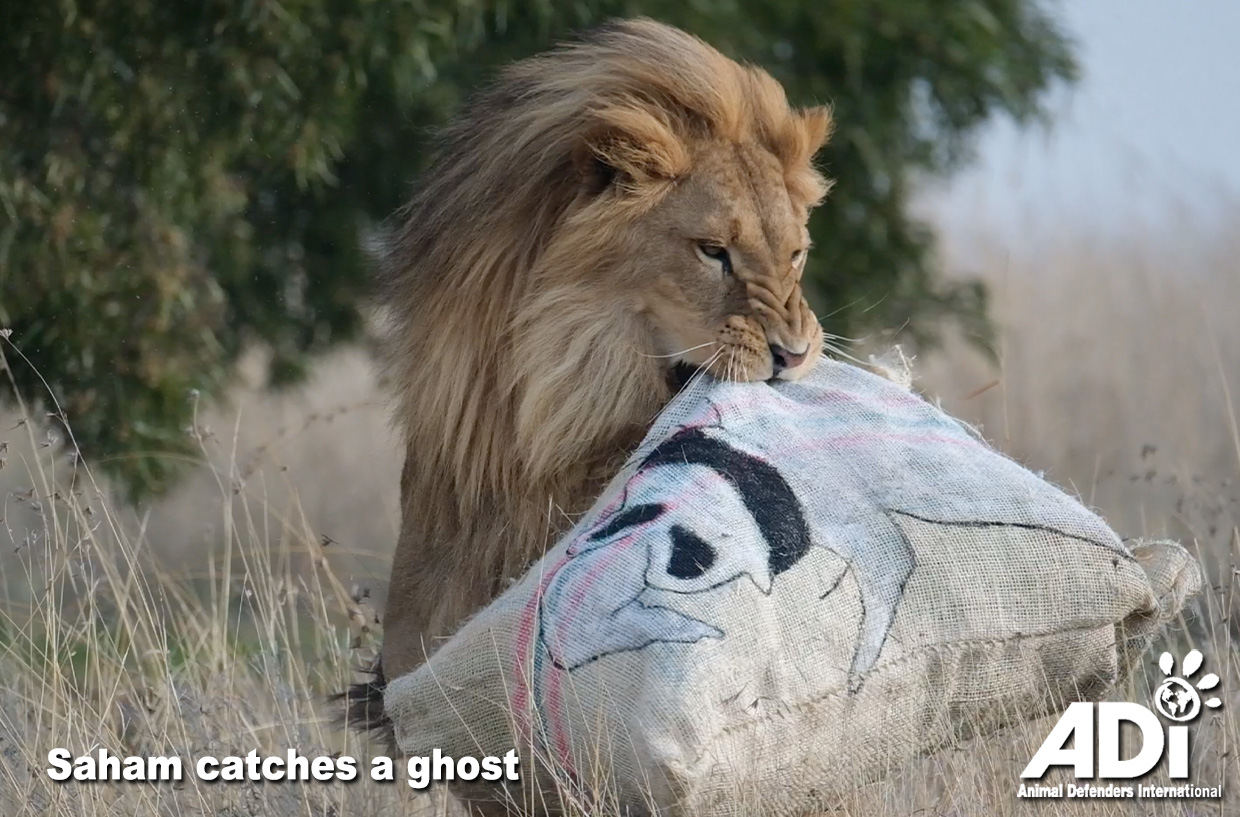
The animals seemed to remain blissfully unaware of the crisis and finished the day with some Halloween treats and fun!
We will continue to invest in measures to protect the sanctuary and our residents. In future we would like to add a fire hydrant system fed by huge tanks at the top of our hill.
One of our pick-up trucks carrying a fire fighter was damaged by the fire on Sunday and will require repairs – a donation today will help with these.
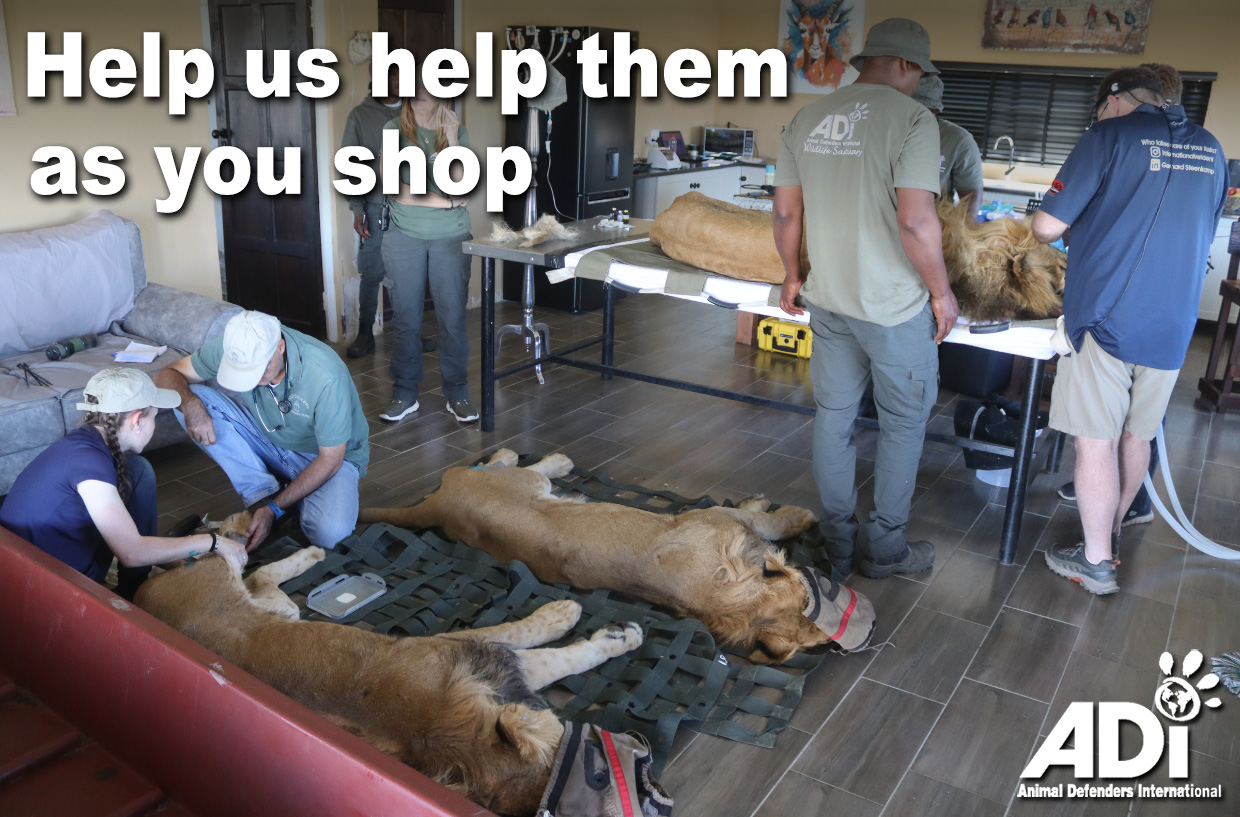
This week we’ve had two days of veterinary and dental checks for the lions and tigers (above BenTzur, Ori and Rey Ayacucho) at the ADI Wildlife Sanctuary in glorious Spring sunshine – some of you may have been watching live on social media. While back home, the evenings are drawing in and fall/autumn is here.
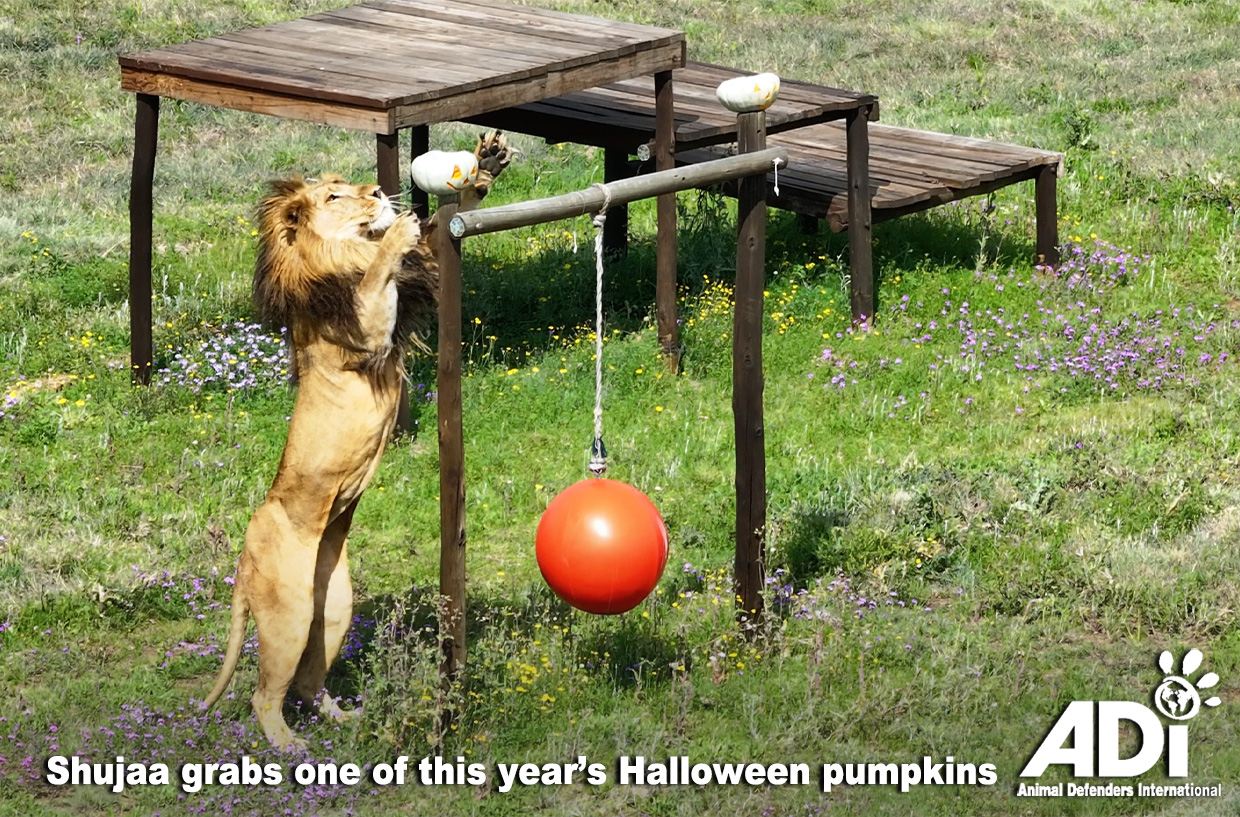
We have had a terrific response to our Halloween pumpkins and enrichment appeal – thank you so much. Below is one of the first pumpkin treats being enthusiastically discovered, I can’t wait to share all our videos.
With Halloween a week away, the countdown to Christmas begins and you can get a head start with the ADI online US store / UK store.
This is a perfect way of supporting ALL of ADI’s work, with all the proceeds going to help animals through our campaigns, investigations, education and awareness drives, securing animal protection laws, rescues and caring for rescued animals.
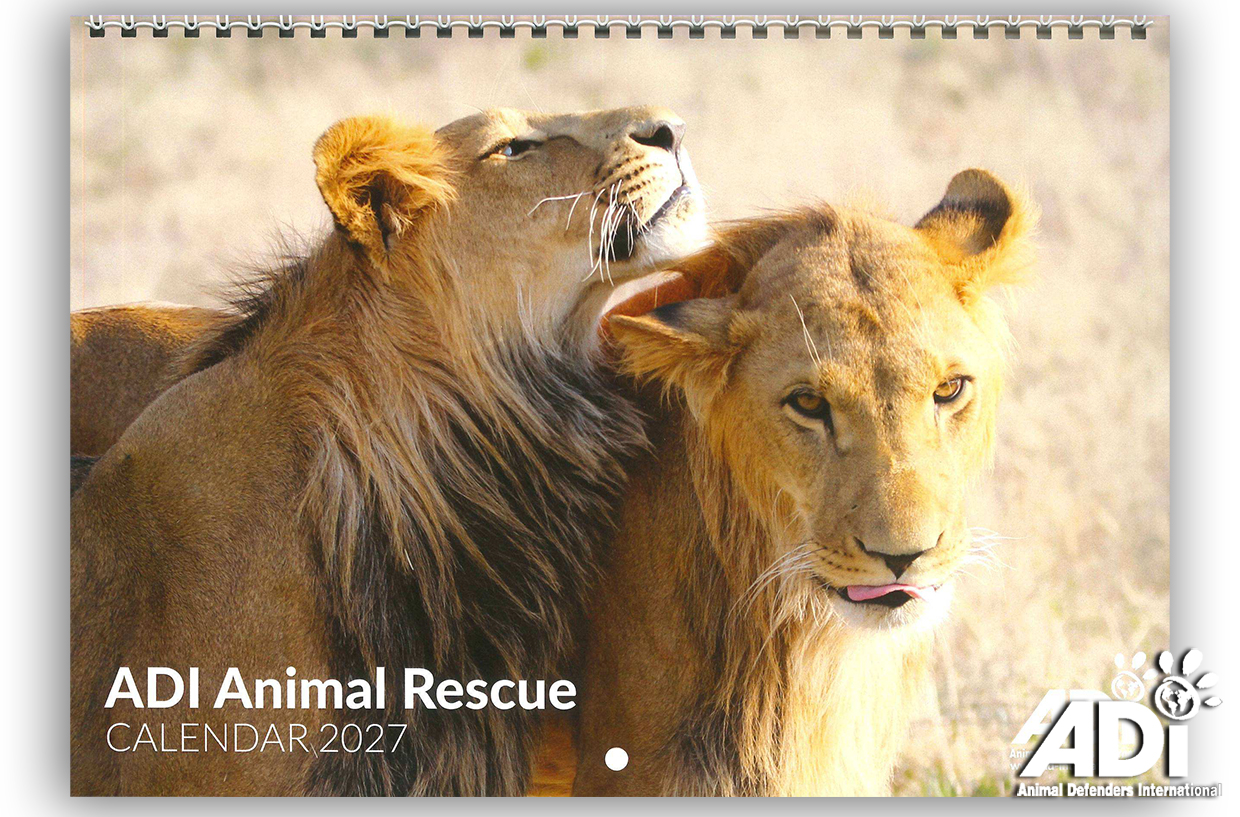
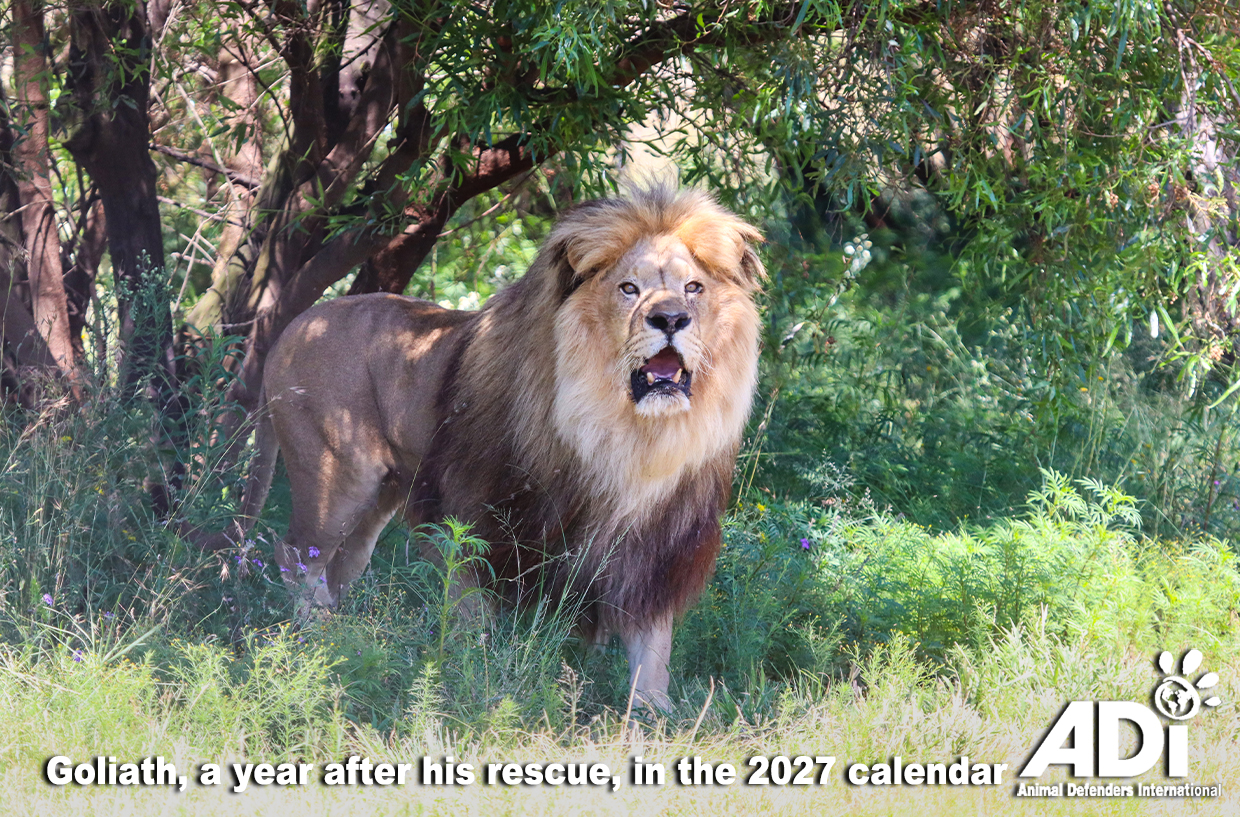
Rescued from the illegal wildlife trade in Israel, this beautiful image of Ori and BenTzur on the cover of the 2027 ADI Animal Rescue Calendar on our US store / UK store captures the young lions’ touching relationship.
Our calendar celebrates the animals whose lives you have helped transform, with some amazing shots this year: Rolex, Shujaa and Luna on the move; a drone image of Simba and Rey asleep in the grass; a stunning portrait of Saif – a young lion from Kuwait growing up in our care; and more.
By popular demand, we have included a month for sanctuary legends who have inspired us – for 2027, it’s Ruben, of course. Let us know if there’s someone you’d like to remember in 2028?
Each month has an inspiring image. Just $20/£12 each, helping animals and a perfect way to spread the word, that’s why we have a SPECIAL OFFER TWO FOR $36 / £22 – buy one for yourself and another for a friend.
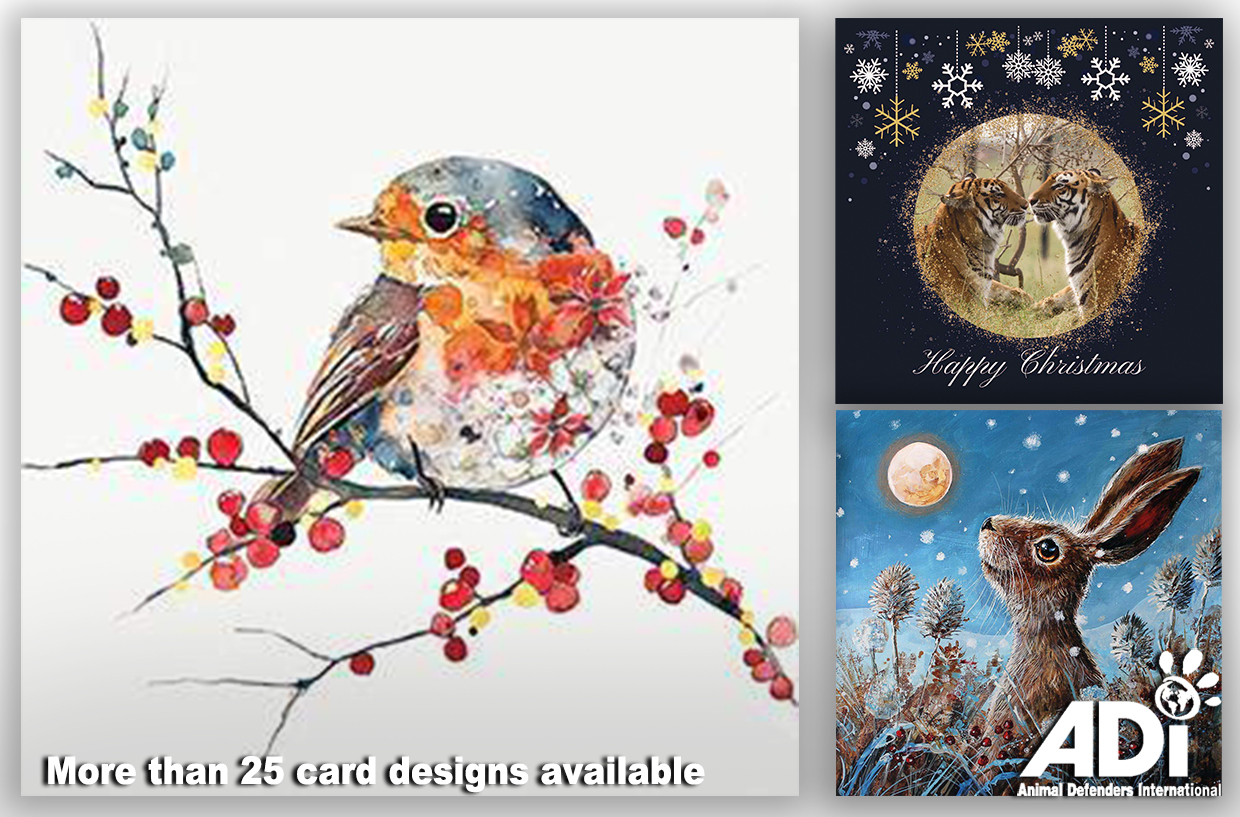
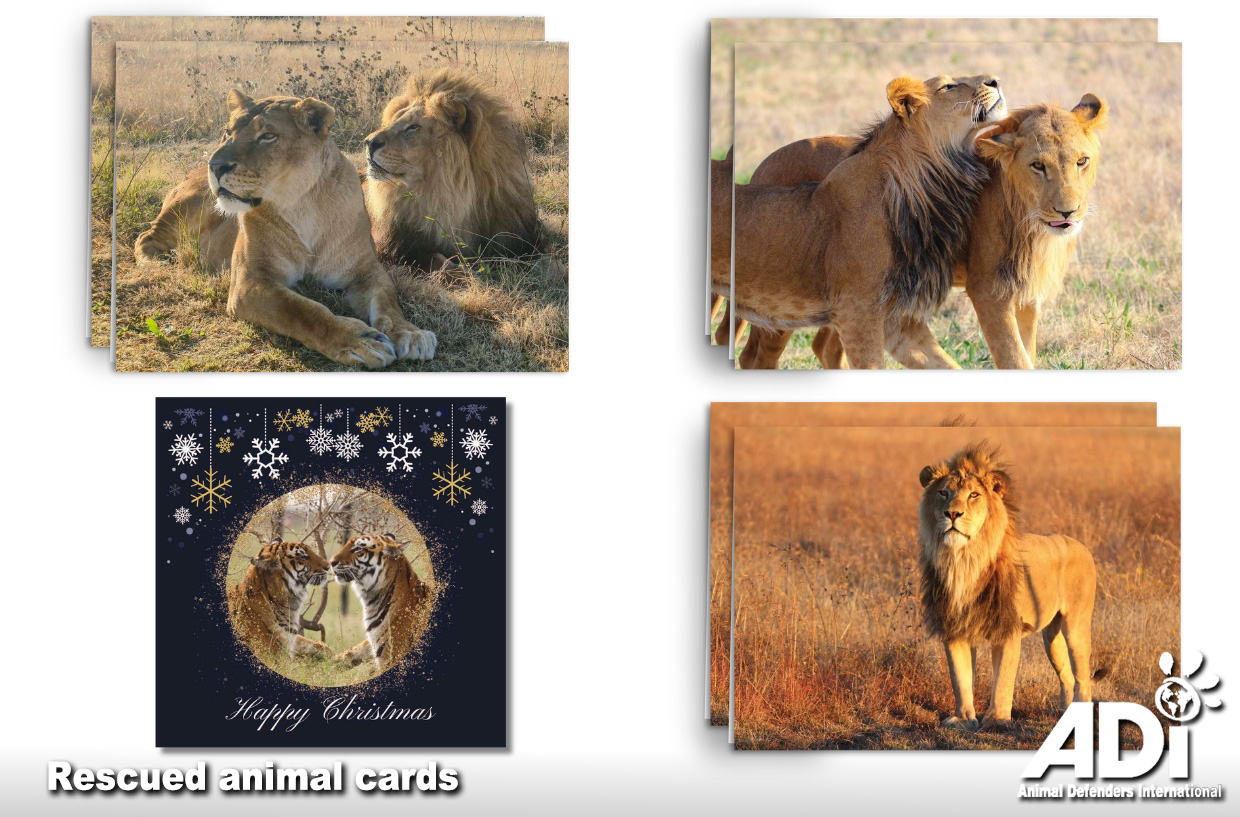
CARDS: We have a great selection of cards on our US store / UK store from classic Christmas cards to rescued animal cards which are blank for your own message and use all the year round whatever you are celebrating.
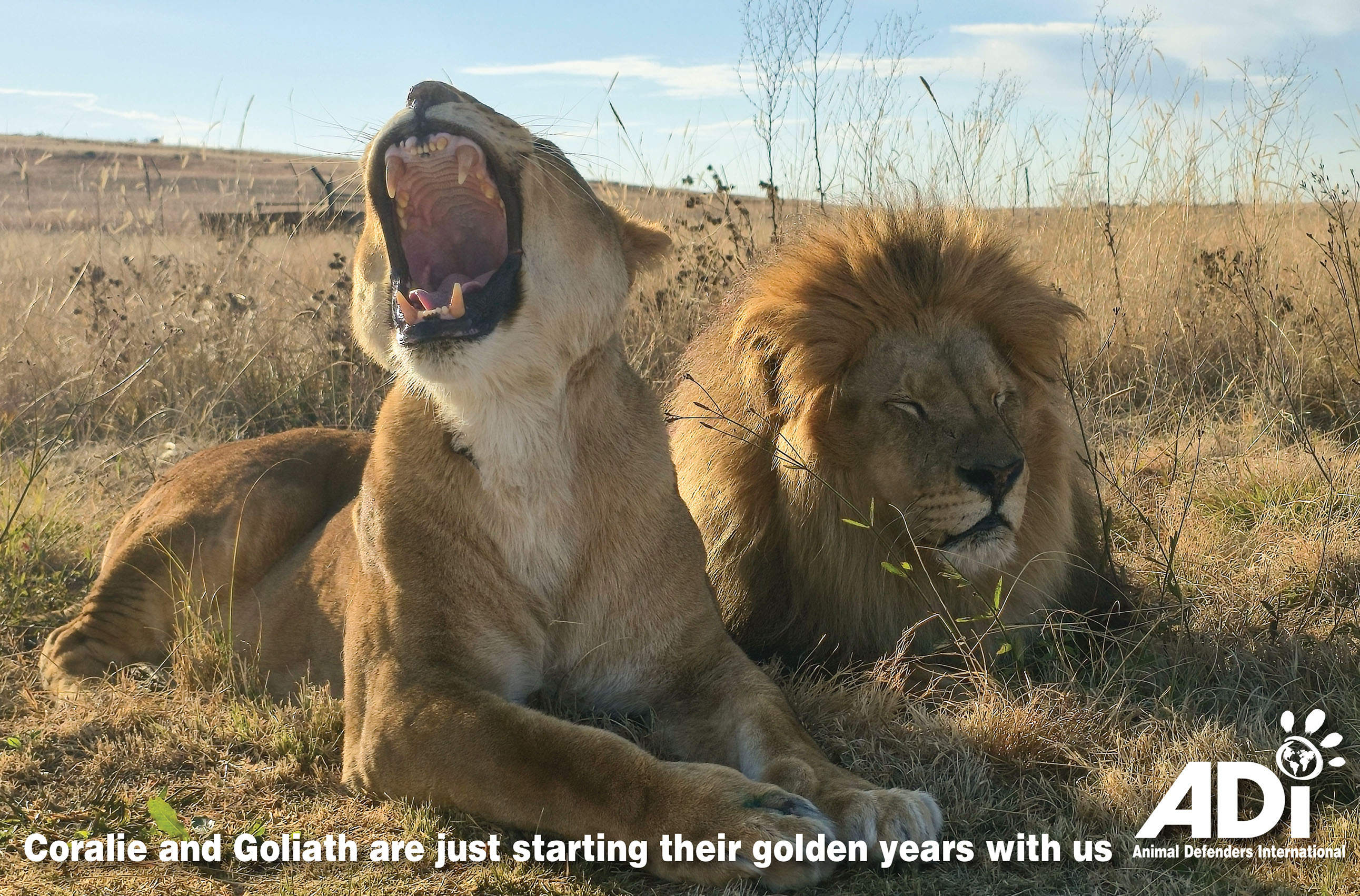
Our rescue cards on our tell the animals’ stories on the rear for Luna & Jade, Goliath and Coralie, Max & Stripes, Scarc (and also Rey Cusco, Pepe, Cholita in the US) and we have a brand new one celebrating our latest rescue of BenTzur and Ori.
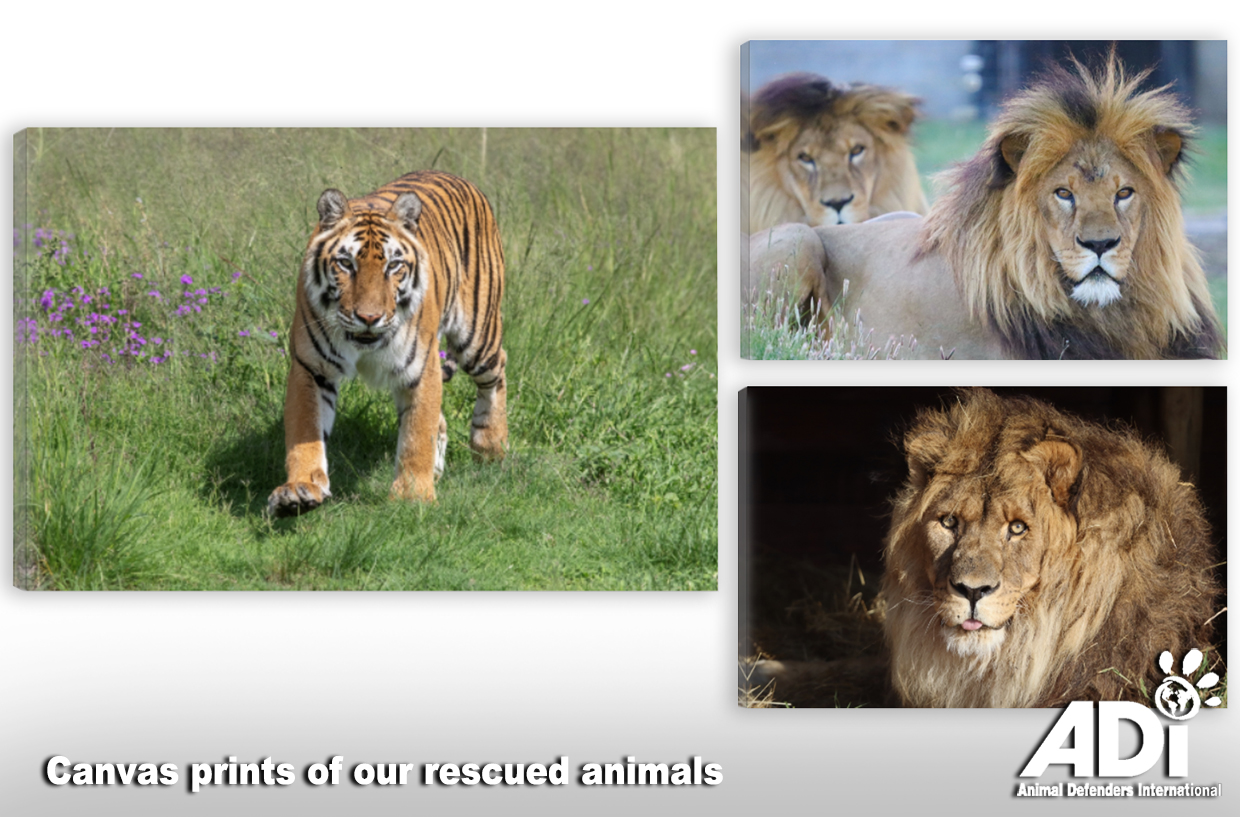
CANVAS PRINTS: Celebrate our magnificent wildlife and their incredible stories with one of our stunning images of animals rescued by ADI, a beautiful showcase of the animals you have helped save to lift your spirits every day.
Our canvas prints are available in medium and large, with images of all our sanctuary residents including Luna, Coco and Chino and the legendary Ruben (all above).We have a huge selection of images, printed to order, and you can request any you don’t see. Wonderful gifts for any animal lover. Browse our full collection on US store / UK store.
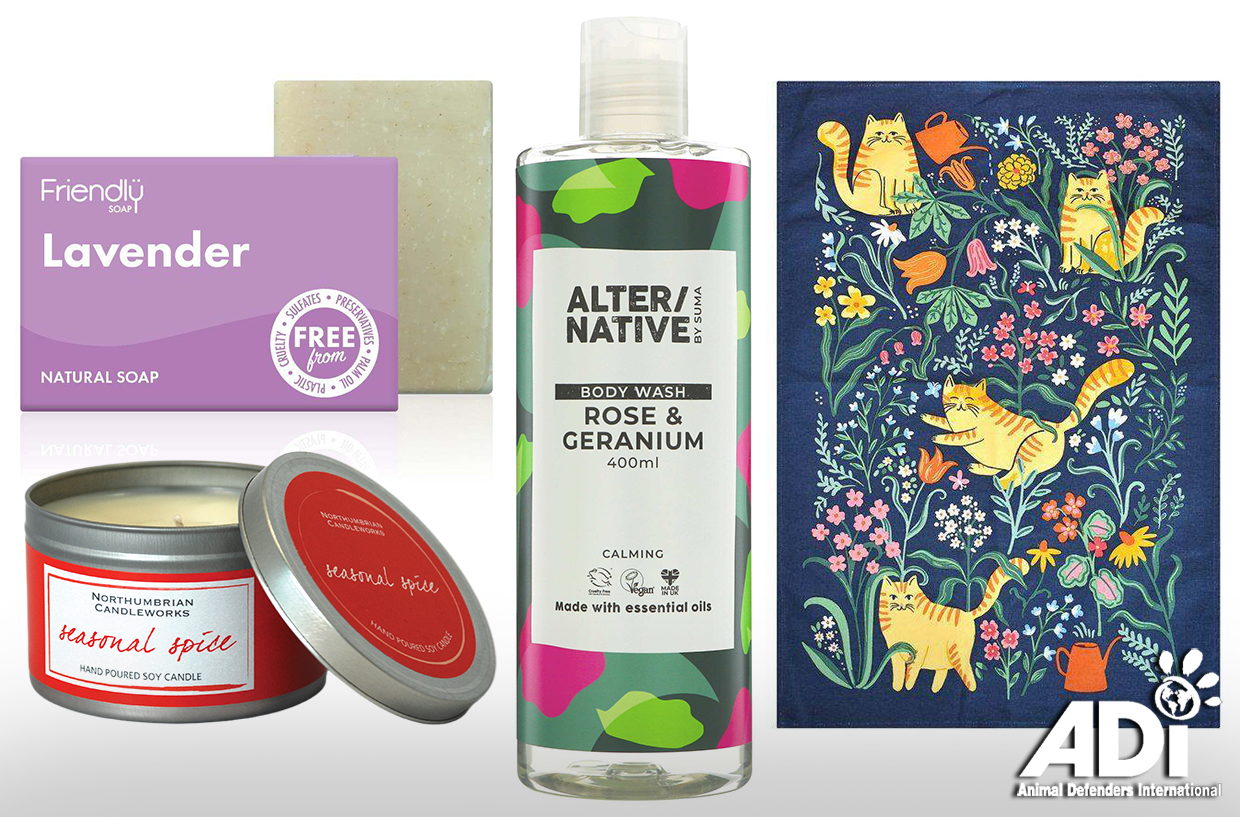
BEAUTIFUL HOME AND BODYCARE: You’ll find a selection of animal themed items for the home on our UK store, with gorgeously fragranced bodycare and candles – all cruelty-free, naturally.
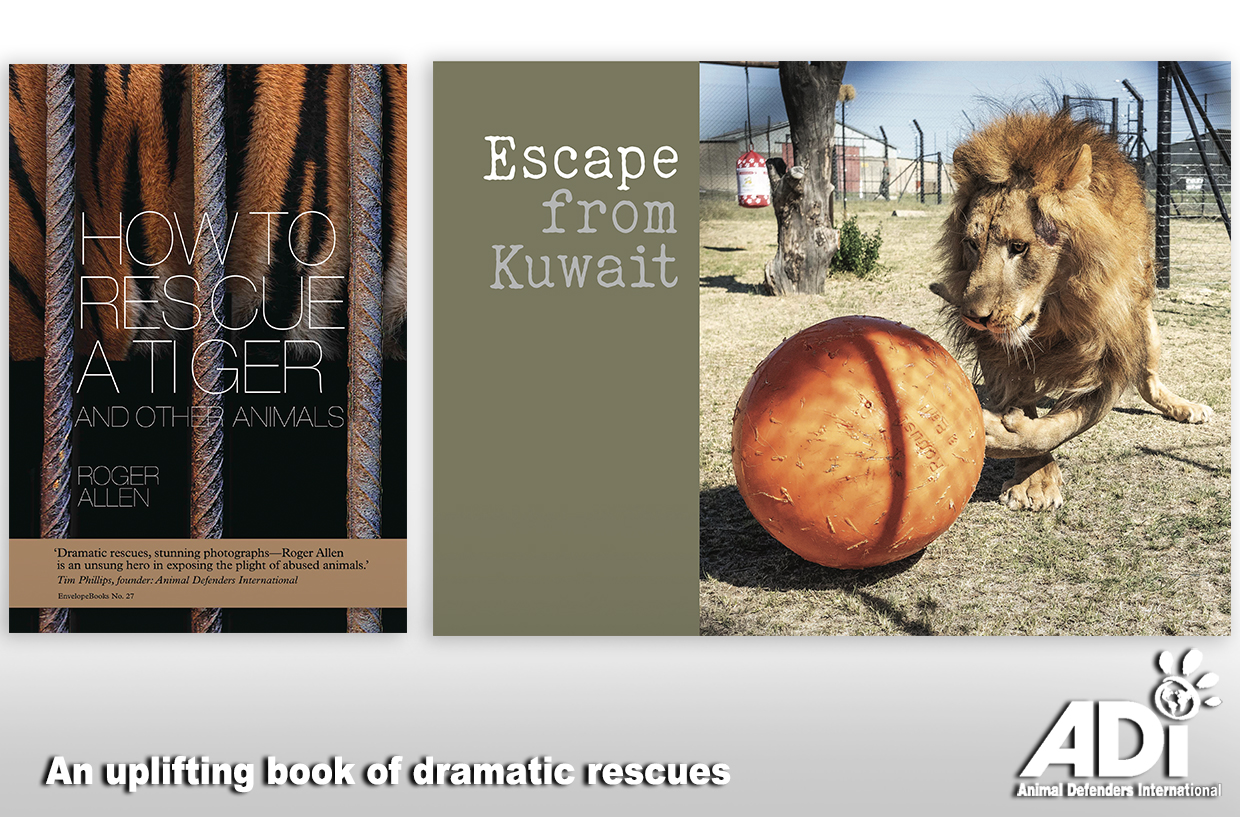
How to rescue a tiger and other animals: A photo collection, from award-winning photographer and friend of ADI Roger Allen, recording rescues of lions, tigers, bears, and more, including two ADI rescues: “All the Fun of the Unfair” goes inside Guatemala’s circuses; “Escape from Kuwait”, our journey with six lions and their arrival at ADIWS, with a wonderful pic of Muheeb playing football on the day he arrived. See our US store / UK store.
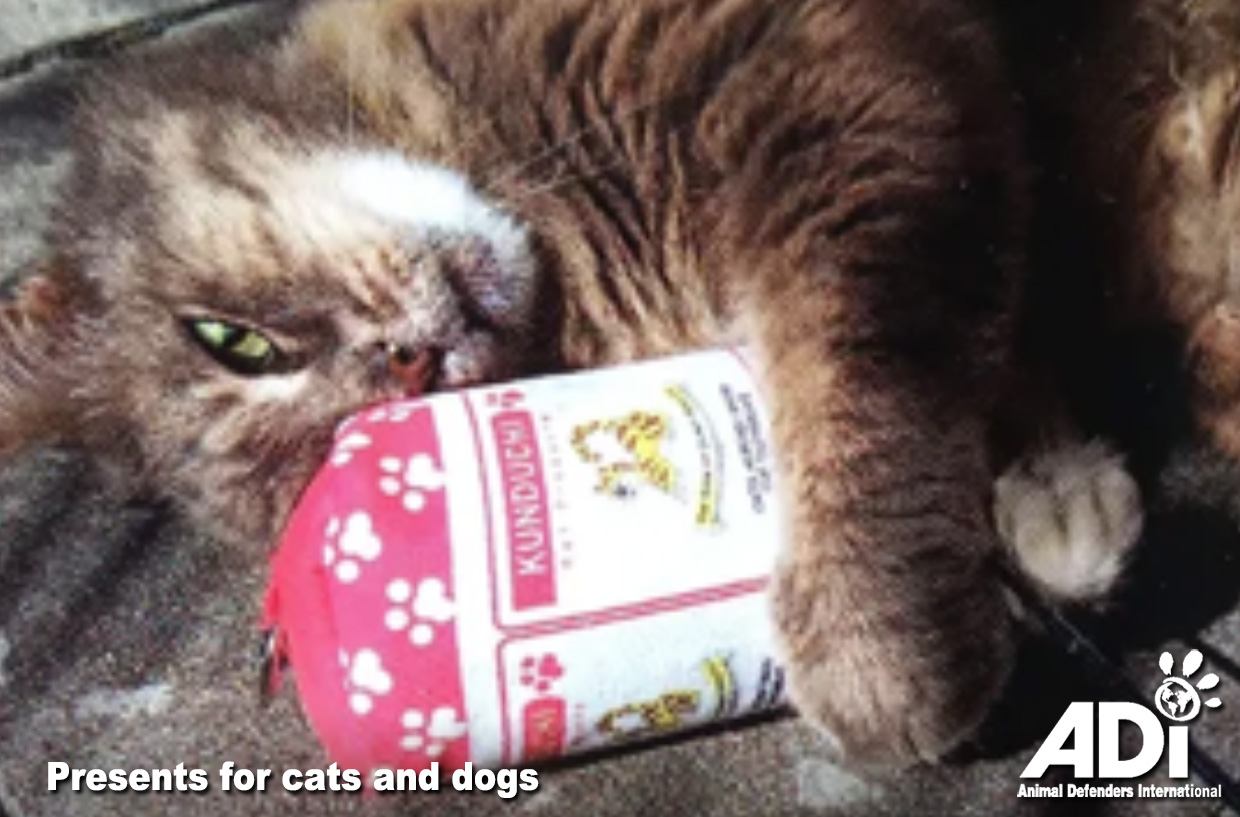
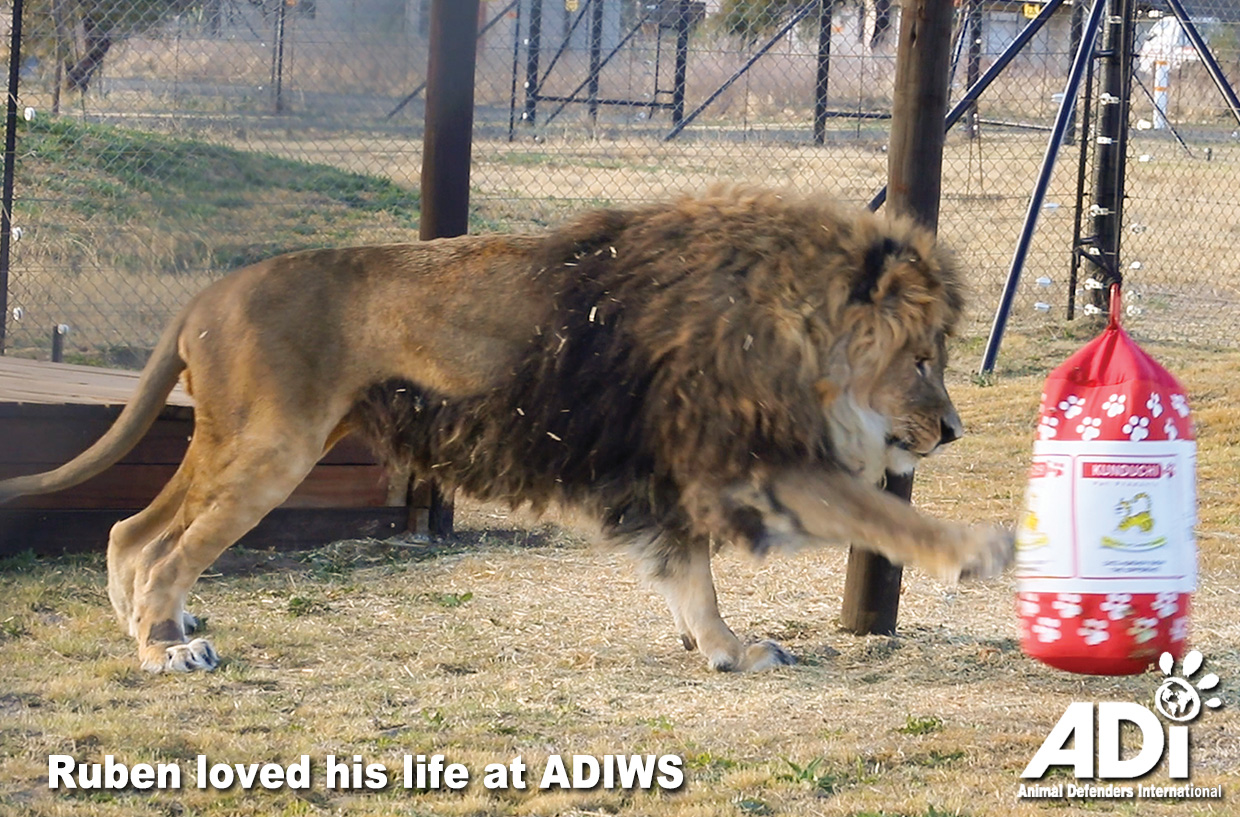
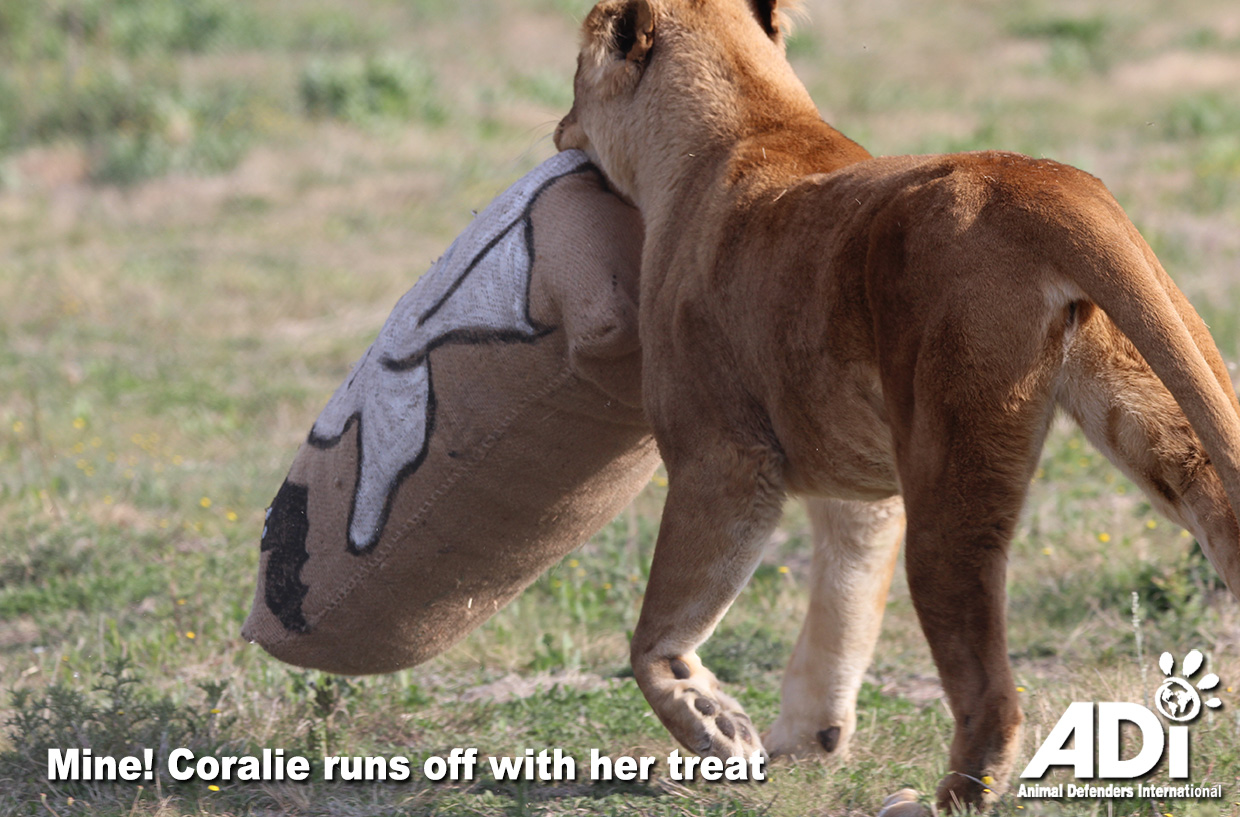
TREATS FOR CATS AND DOGS: We have a great selection of gifts for cats and dogs on our UK store including a natural shampoo bar, tug toys for dogs, the catnip toys and even a mini version of the Kunduchi catnip punchbag so popular with the lions and tigers at ADIWS.
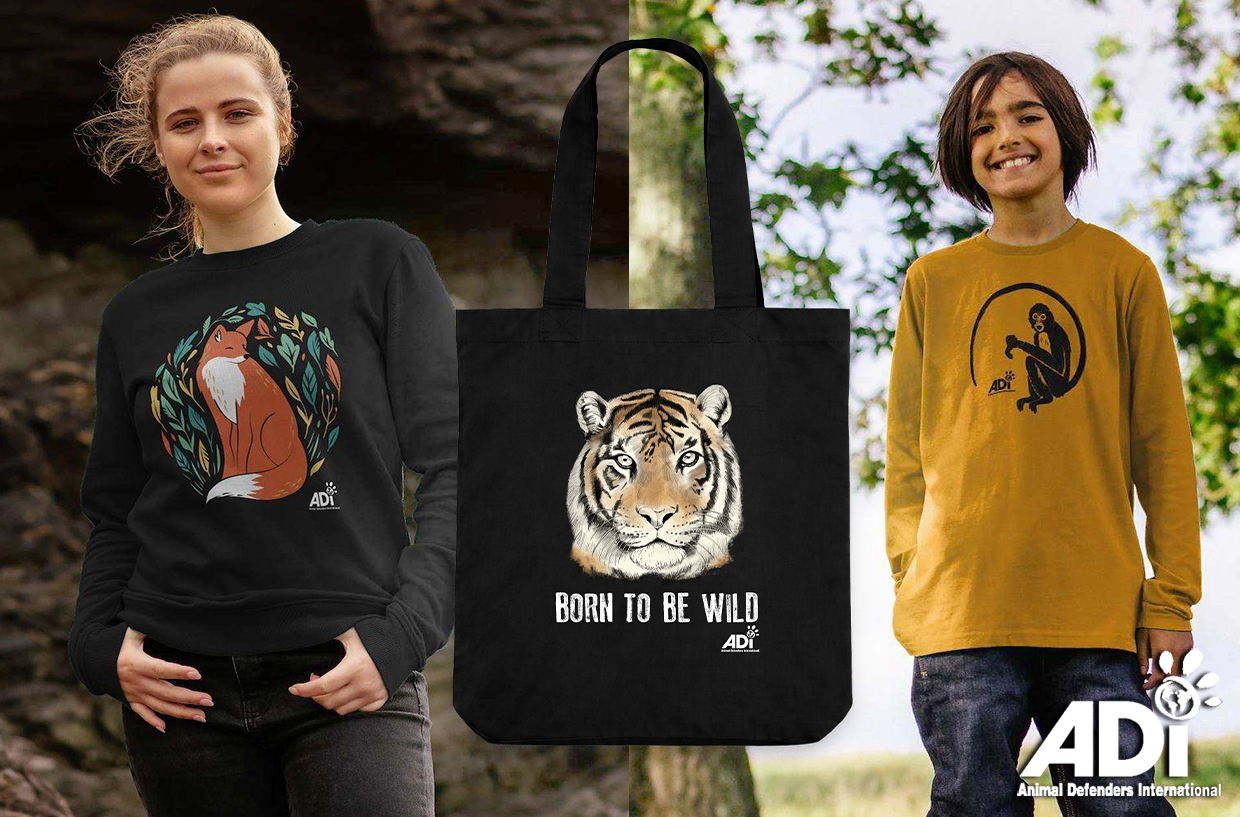
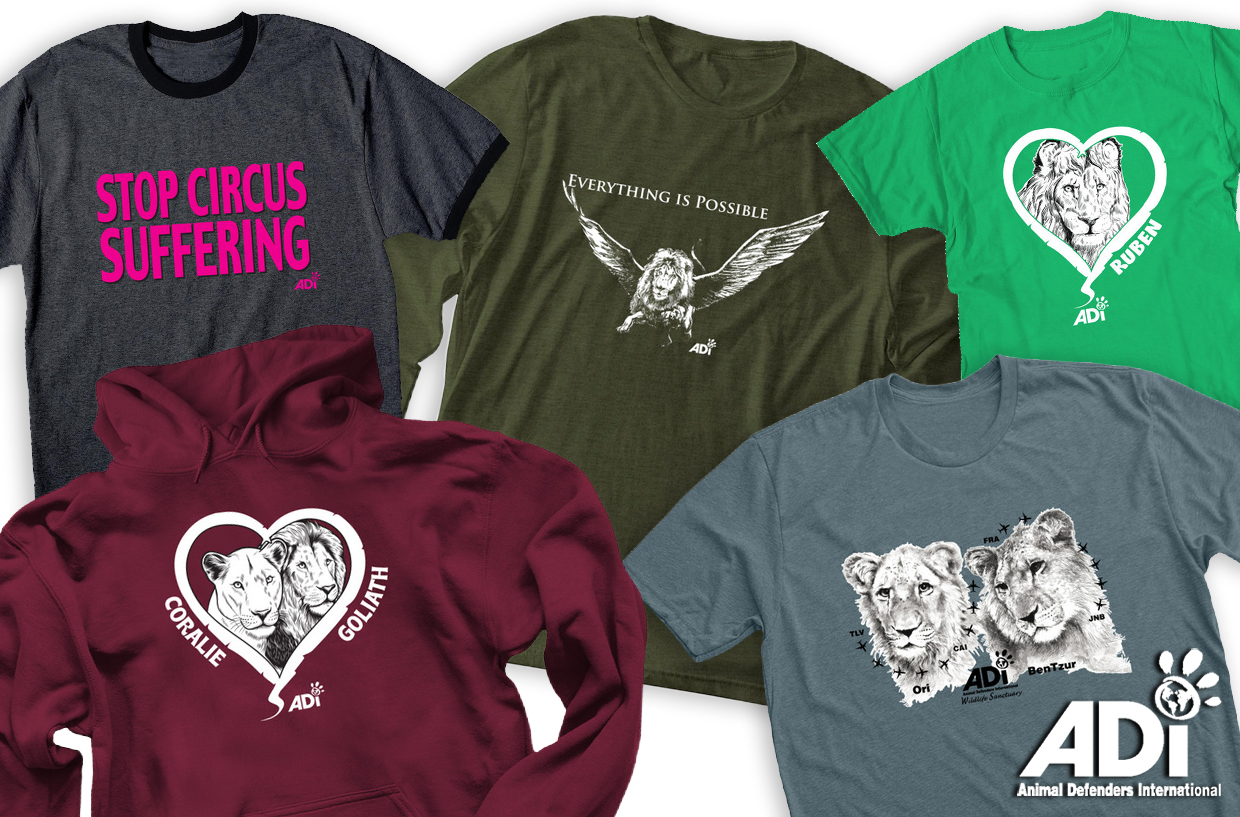
CAMPAIGN CLOTHING & BAGS: Our animal design range on our US store / UK store of organic cotton clothing and accessories are suitable for all, with options for men, women, and kids – all sustainable and environment-friendly, helping animals and creating awareness whenever you wear too.
Wear the message and show the love. Our Bonfire range has a huge range of styles and lots of different designs from our “Everything is possible” flying lion to shirts featuring different rescued animals and campaign slogans.
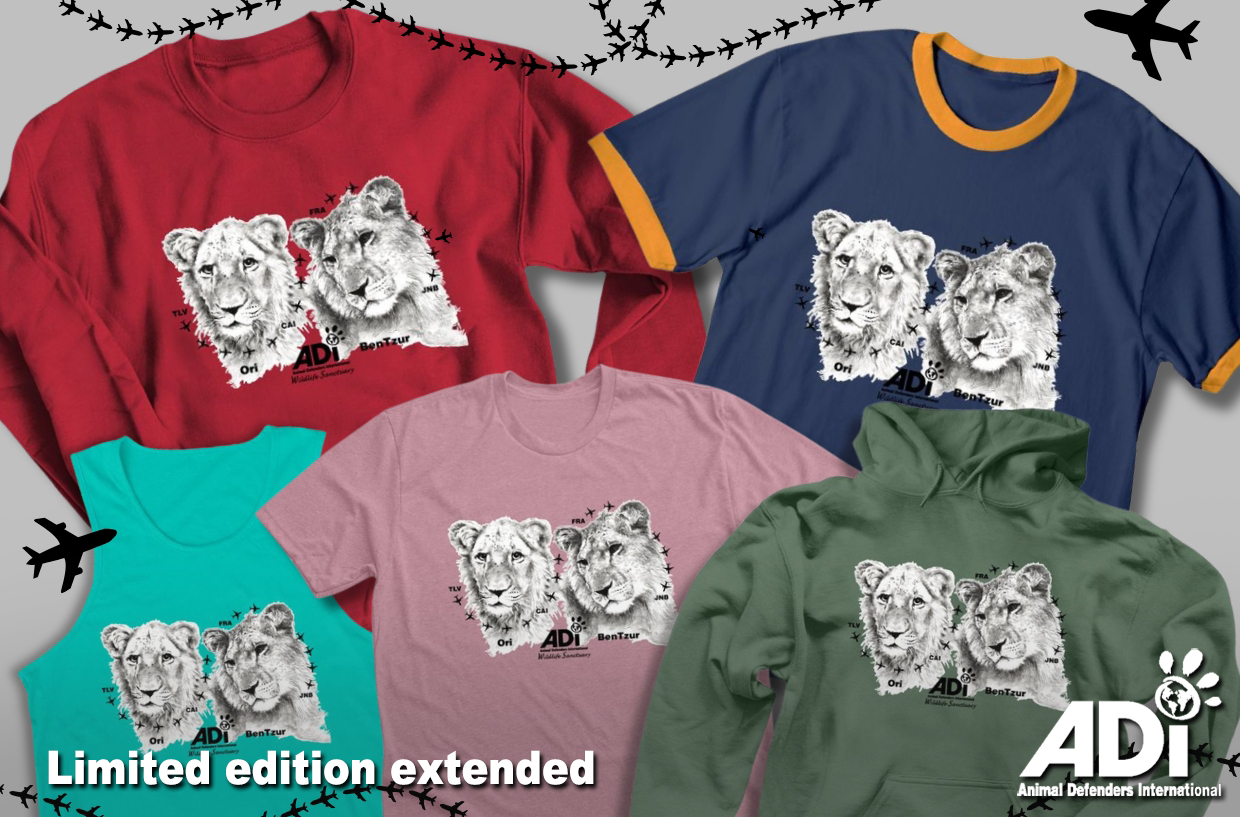
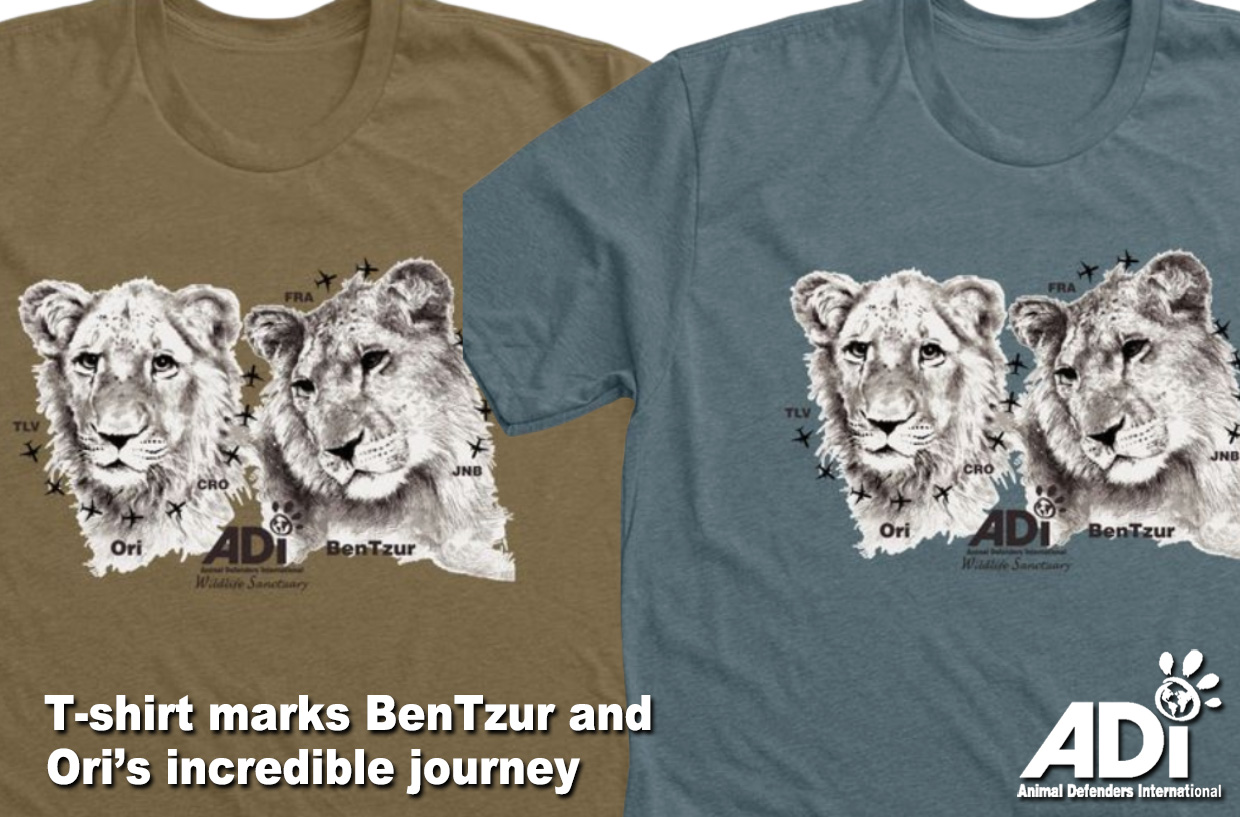
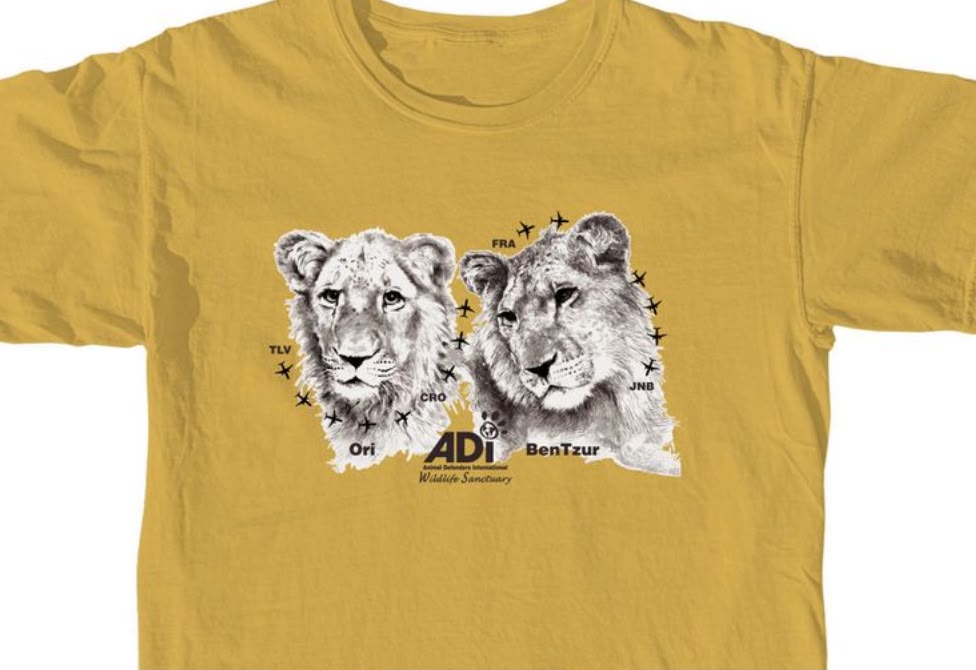
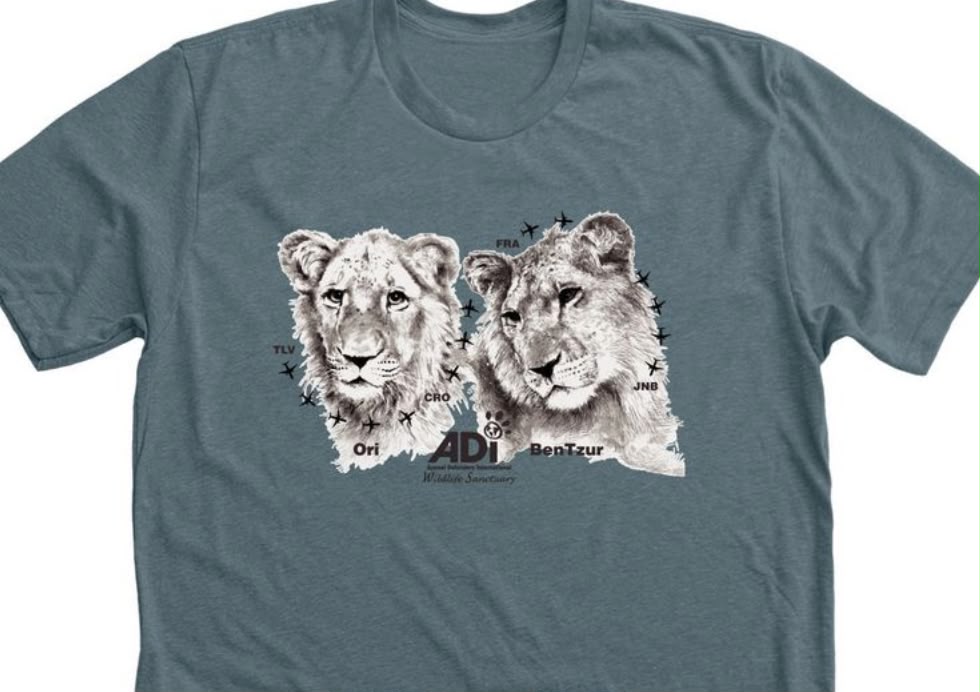
It’s the last chance to but our limited edition design celebrating the journey of BenTzur and Ori from Israel to South Africa, via Frankfurt and Cairo. Only available for one more week.
Please note: Our T-shirts, bags and other apparel are supplied by two companies who print the items on demand. You can see and order our Teemil range directly from our US store / UK store, and the Bonfire range here through our US store / UK store, and safely order direct, and funds will go to ADI.
Check out our full range of products in store here – US store / UK store – happy shopping!
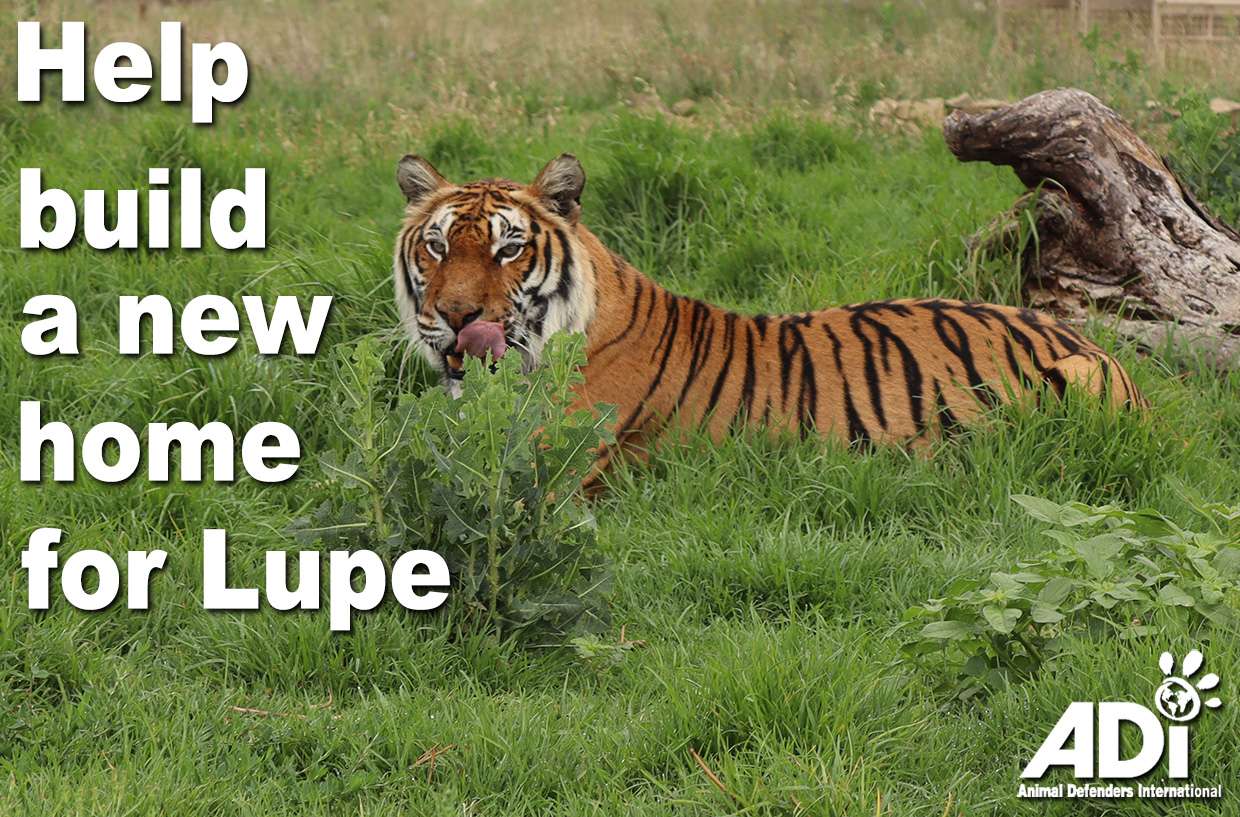
Finally, thank you to everyone who has been contributing to our appeal for tiger mom Lupe’s new habitat. We still have a way to go, but are getting there – if you can give a little extra to help us reach our goal it will be appreciated. Donate US $, CAD | Donate £, Euros Rand
I am always inspired by how the animals we save do not allow the suffering and abuse to break their spirit. Even when they arrive subdued to keep themselves safe, when they have space, freedom to move and safety, they embrace life with joy. Yet the physical damage often remains.
Our dear Ruben was an example of a lion whose body was broken by his years of suffering in captivity but seized life with both paws when he arrived at the ADI Wildlife Sanctuary. He took such delight in everything, enjoyed every day, roared to the other lions, until his health issues finally caught up with him.
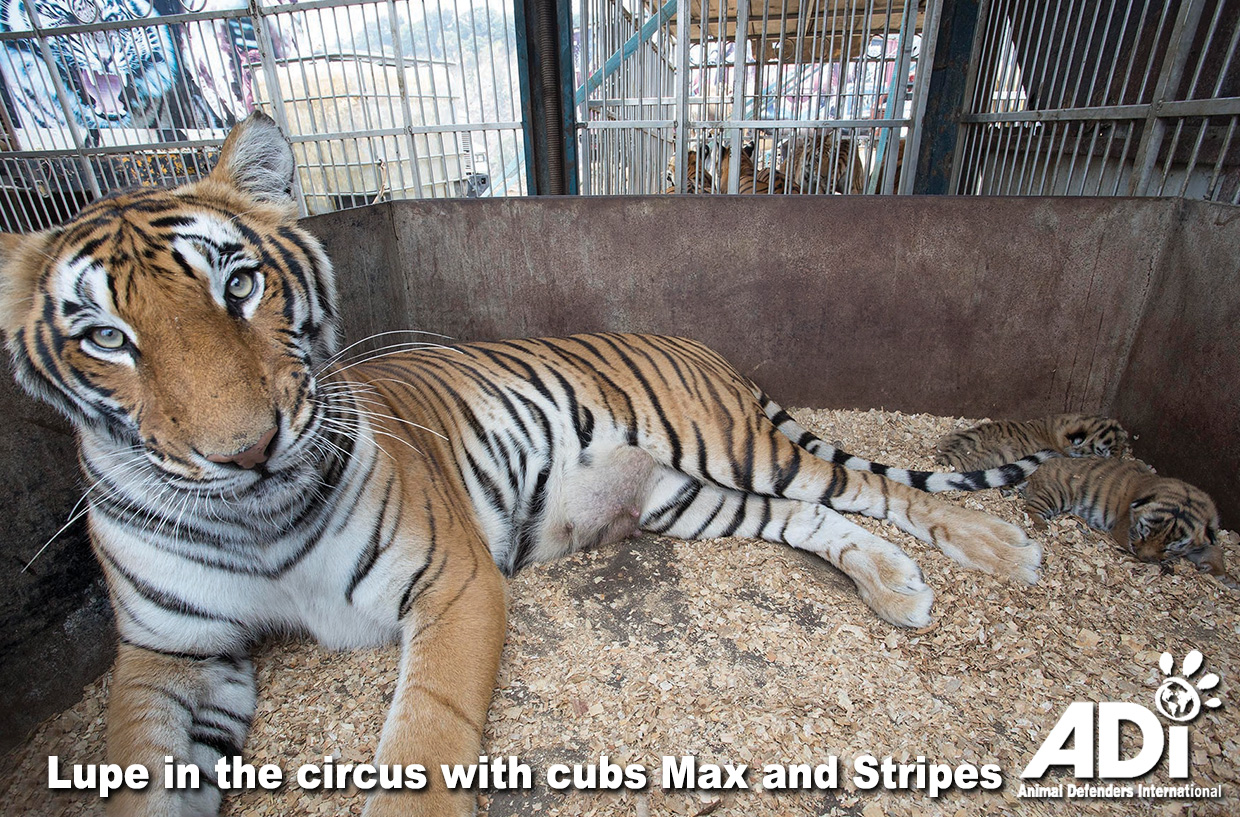
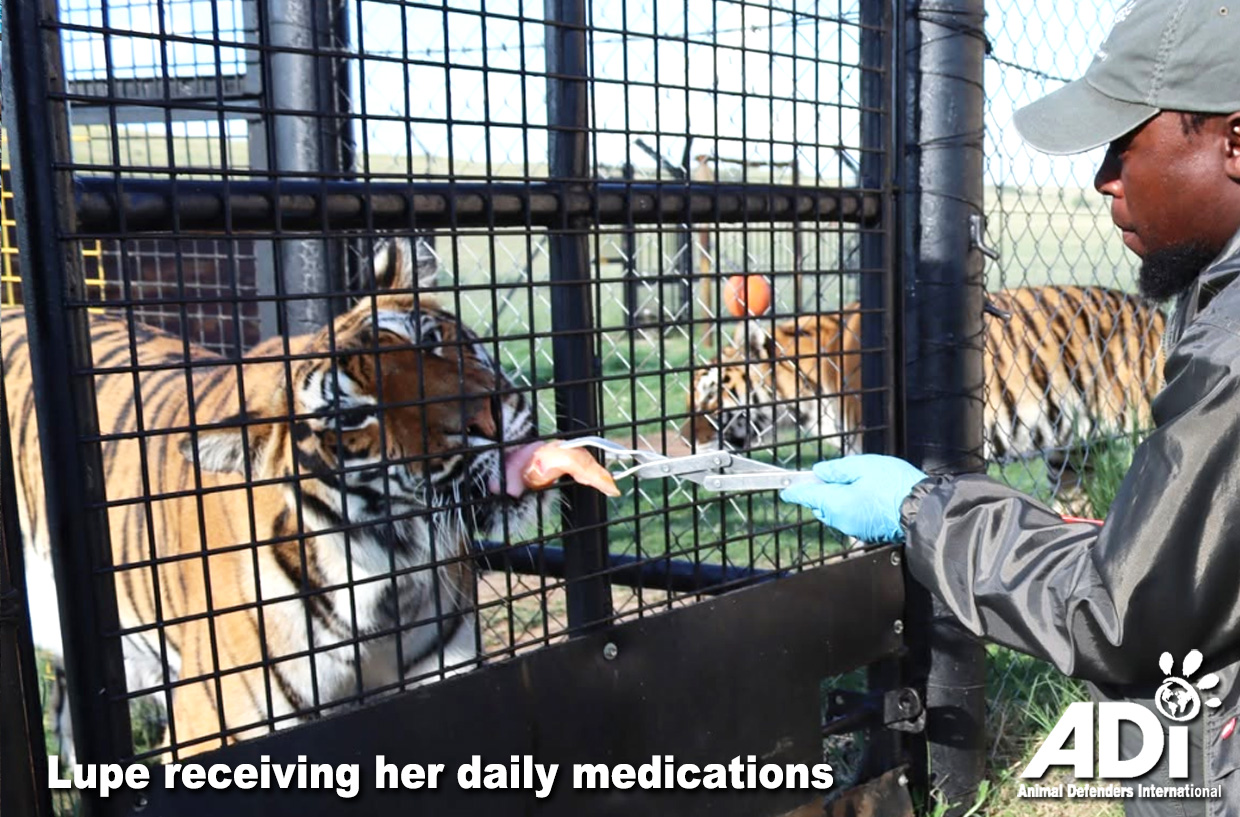
Lupe is one of fifteen tigers saved by ADI from a circus in Guatemala. They endured a lifetime of severe confinement, deprivation and stress. Over half of them continue to suffer the impacts of in-breeding and malnutrition – two with spondylitis and six suffering from seizures.
Sweet Lupe lost her sisters, Sombra and Bimbi, and her mate Itza to seizures. Her son Max has now had a seizure and is receiving treatment and being monitored. Simba, one of the same family was homed to a US sanctuary and is now also being treated for seizures.
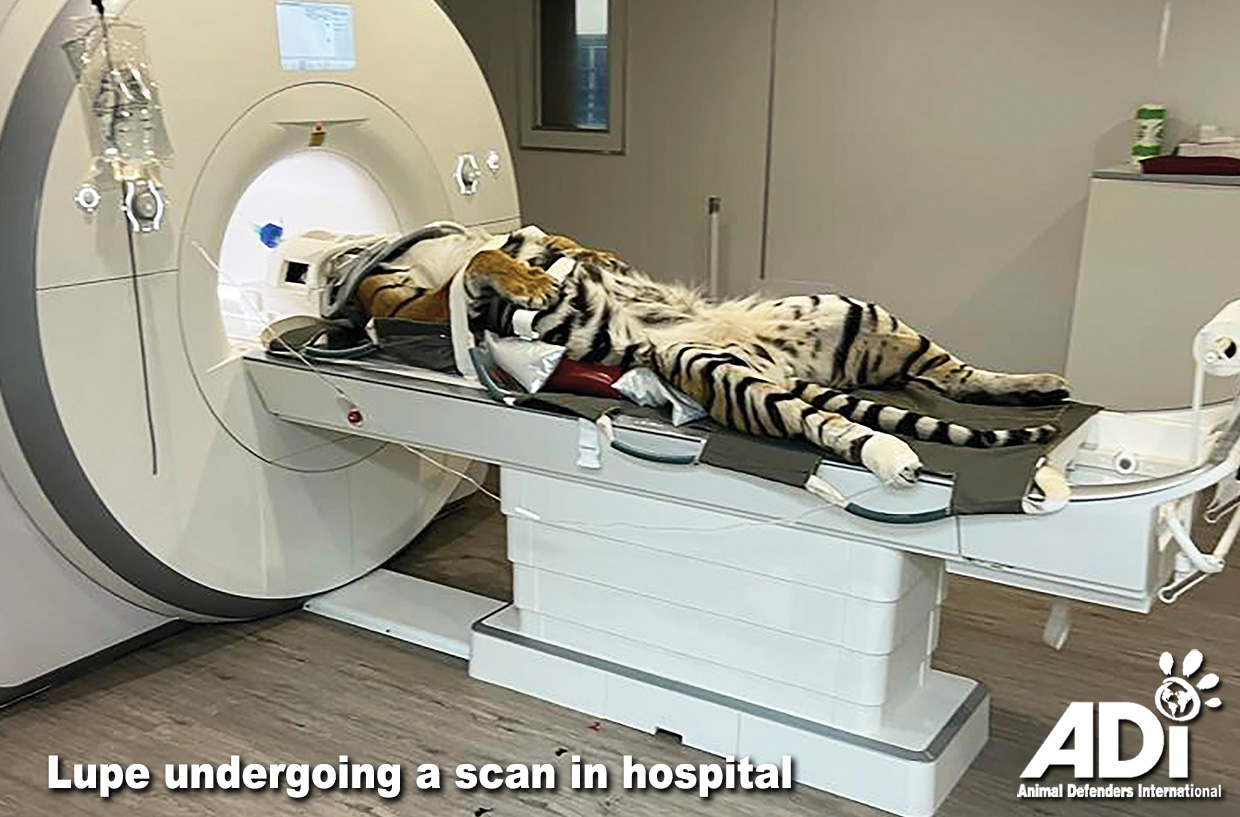
Lupe is getting the best possible veterinary treatment. CT and MRI scans have helped establish a treatment regime, but her condition restricts what she can do. Now, we want to adapt the ADIWS Tiger Territory to create a special habitat to suit Lupe’s needs – just as we did for Ruben.
We must make changes to the other tiger habitats so that Lupe can move, keeping her sons Max and Stripes next to her, to have contact through the fence. This upgrade for Lupe involves moving and construction of fencing, gates, platform dens, heating, etc., and will cost $13,889 / £10,300.
We must lay a power line from our solar power station for heat and light for all the tiger houses, an additional $10,550 / £7,850.
Our target for this work is $24,439 / £18,150.
The challenges that Lupe faces are a reminder of why your support is so important. The needs of the animals do not end the day we save them, depending on health, they can change over time and our job is to ensure their best welfare and happiness for life.
I do hope that you can help our dear Lupe, who now needs extra help to enjoy her time in the sun with her boys.
Every contribution will make a difference towards her new habitat, veterinary treatment, diagnostics, and care at ADIWS. Thank you.
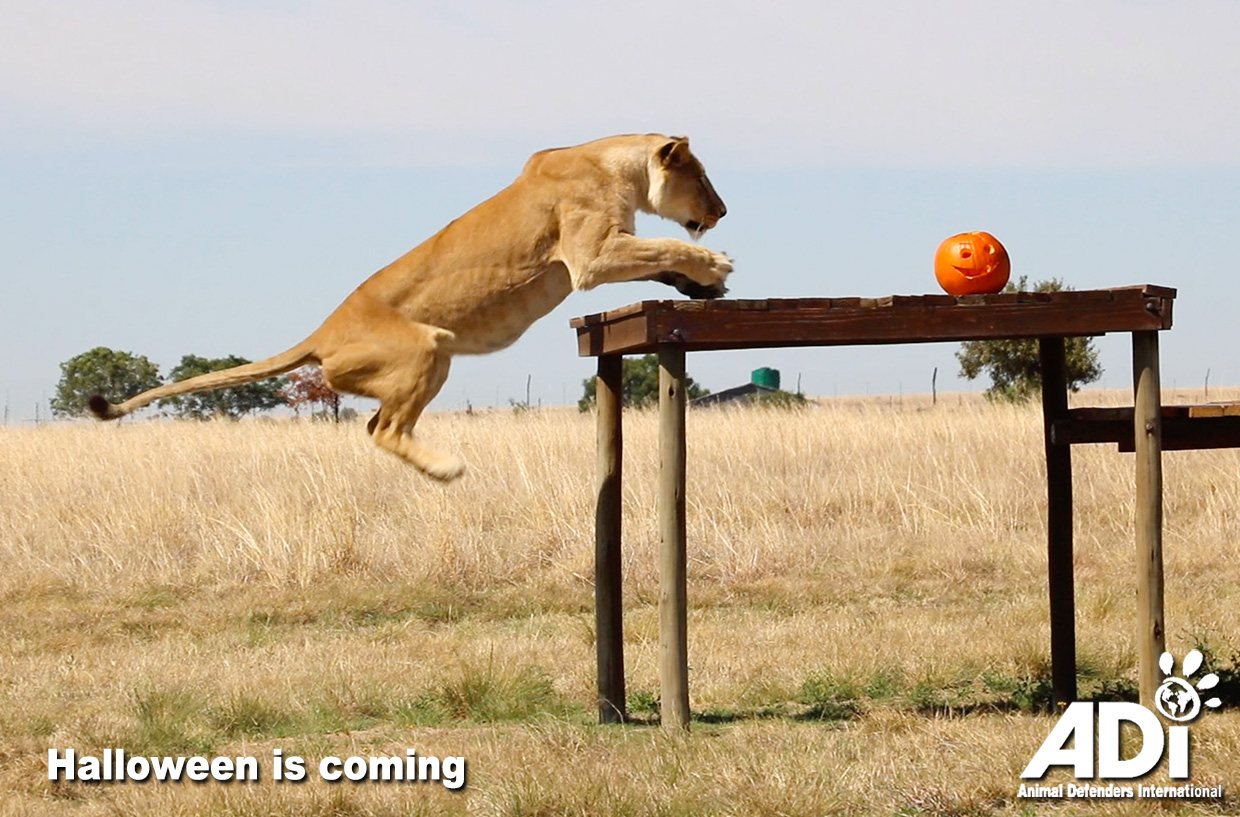
If you turned the page on your ADI calendar yesterday, you’ll be looking today at Smith, the huge lion we rescued from a circus in Peru, bounding up onto a platform to grab a pumpkin (below). Yes, it’s that time of year again for tricks, treats and faboolous fun for the residents at the ADI Wildlife Sanctuary.
The ADI Wildlife Sanctuary in South Africa has provided a place of loving kindness to animals from all over the world – Guatemala, Peru, Colombia, Armenia, Kuwait, Israel, France, and South Africa itself.
The lions and tigers escaping circus cages on trucks or unnatural lives in basements on chains or abandonment as pets, cannot be returned to the wild, so we provide a life as close to nature as possible.
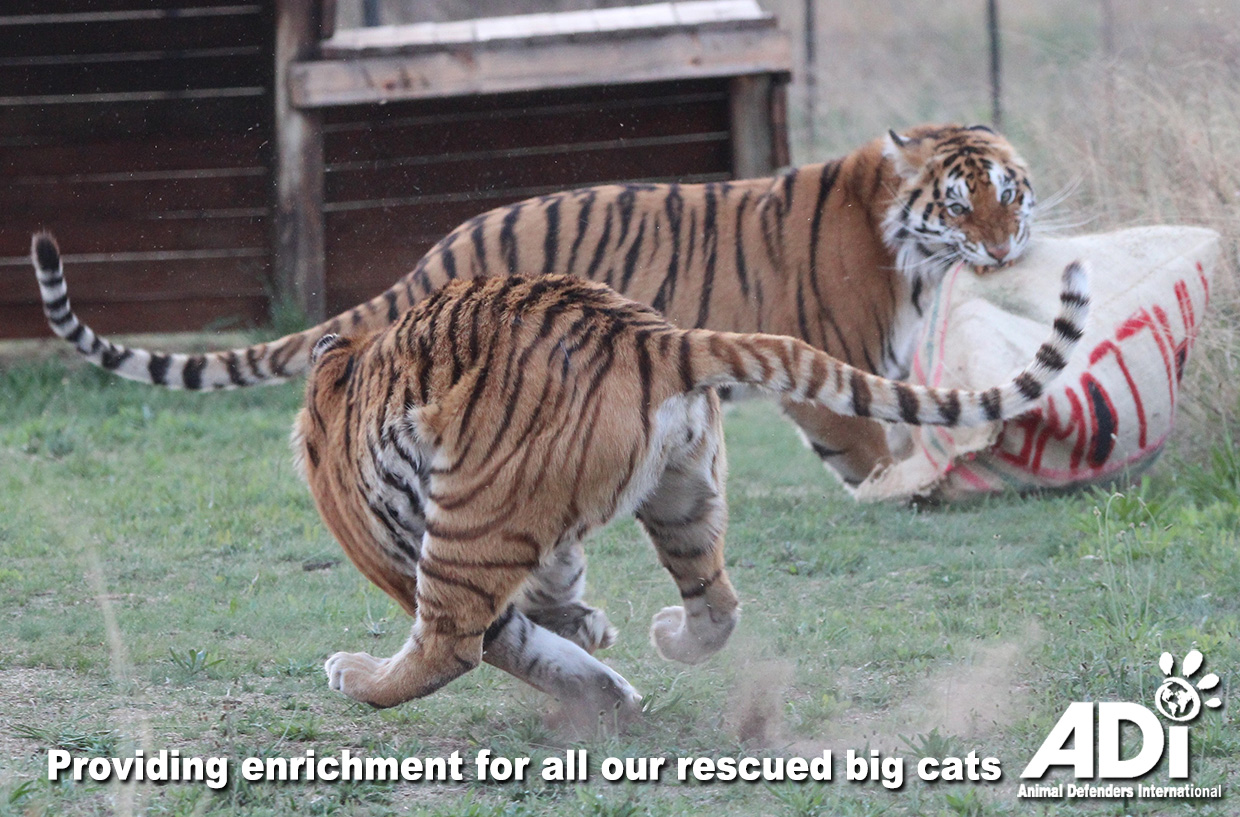
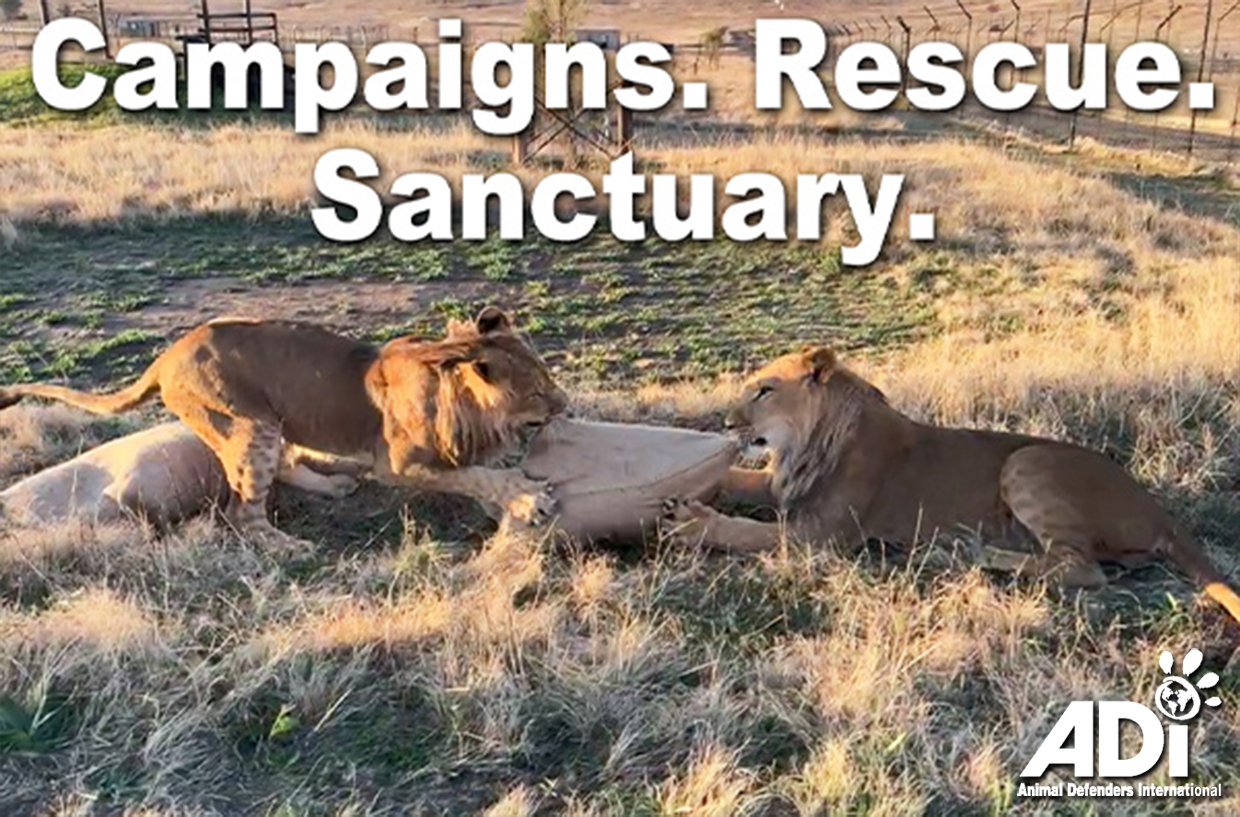
Our rescued lions and tigers roam huge, natural habitats of several acres, and we fill their lives with treats, surprises and fun. This includes pumpkins, watermelons catnip sacks and punchbags, and boxes rubbed with different scents.
Such enrichment is vital for keeping our inquisitive residents mentally and physically stimulated, but most of all just having fun!
The different themes throughout the year mean different ideas for thing the cats will find in their habitats.
This Halloween, will you sponsor a treat for one of the Sanctuary residents?
It’s a simple thing but these treats can mean the world to animals.
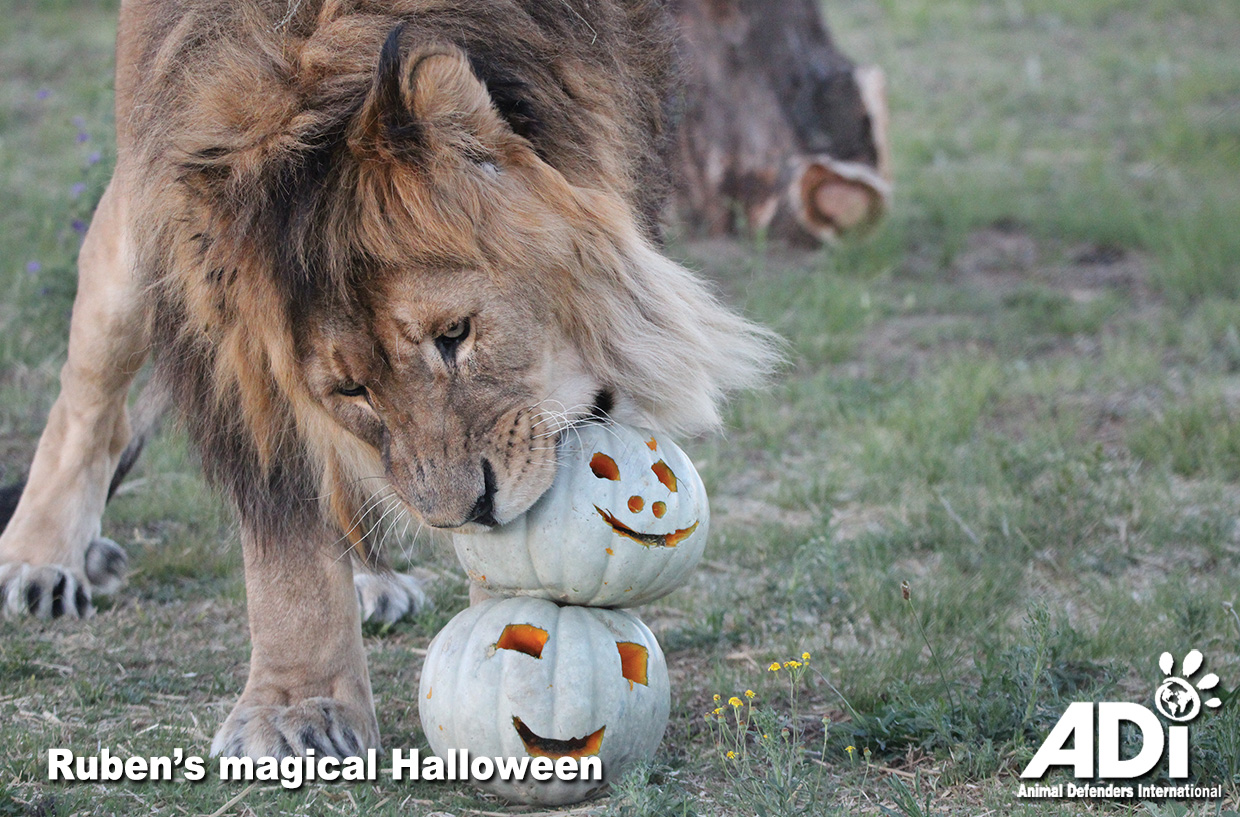
Who can forget the Spice Girls, tigers Luna, Jade, Sun and Moon, tearing around with catnip sacks and tearing down their Halloween hay bales? Or, Ruben’s special Halloween when he collected the pumpkins?
Our Halloween appeal is also an important way of helping with the day-to-day care of the animals.
On average, it costs $2,000 / £1,485 each month per animal for food, care, veterinary treatment, maintenance, and security. That’s $68/£50 per day. That’s why, we ask for a little something extra with each Halloween treat donation, to go towards each resident’s care.
Halloween Treat Sponsor – $15 / £10 – covers the cost of a pumpkin or other fangtastic treat and a contribution towards a lion or tiger’s care.
Halloween ‘Golden’ Treat Sponsor – $68 / £50 – provides a pumpkin or other spooktacular treat and one full day of care for a resident.
‘One-For-All’ Halloween Sponsor– $250 / £186 – a pumpkin or other eeriesistible treat and care contribution for every lion and tiger at ADIWS.
Become a pumpkin sponsor here
With your help we can provide treats throughout October and beyond. The more you raise, the more they play!
I am pleased to bring you the very latest on our campaigns for animals around the world, and ADI Wildlife Sanctuary in South Africa!
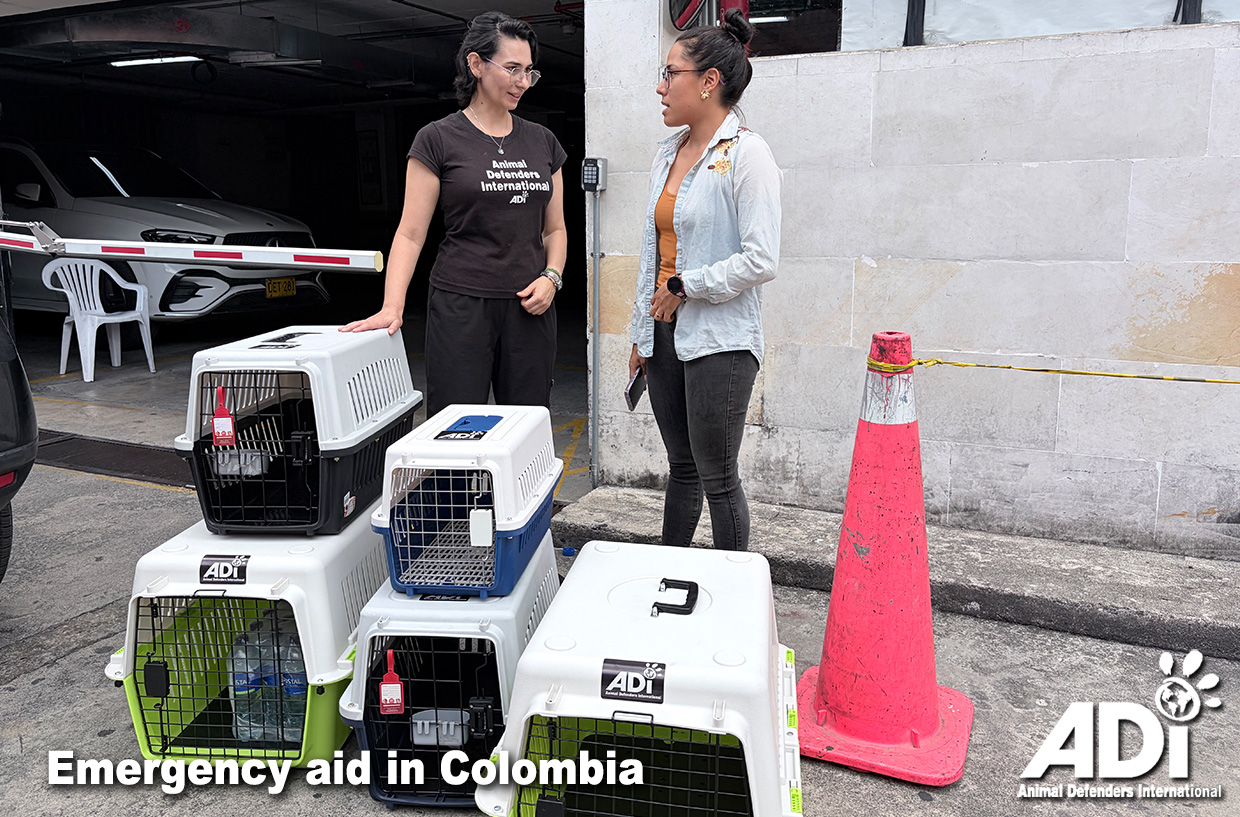
Colombian Earthquake Relief: Wildfires followed the recent devastating earthquake in Colombia destroying thousands of hectares of forests, crops, and homes. ADI supplied equipment, including transport cages to evacuate animals, to wildlife veterinarians in Tolima. Given the ongoing drought and number of intentionally set fires, ADI will continue to support emergency prevention and response efforts.
Our limited-edition design, showing the journey BenTzur and Ori flew home, has been extended to allow our mail-only supporters time to grab theirs. Which means there’s still time to order yours, before they are gone! All proceeds will help care for the lions.
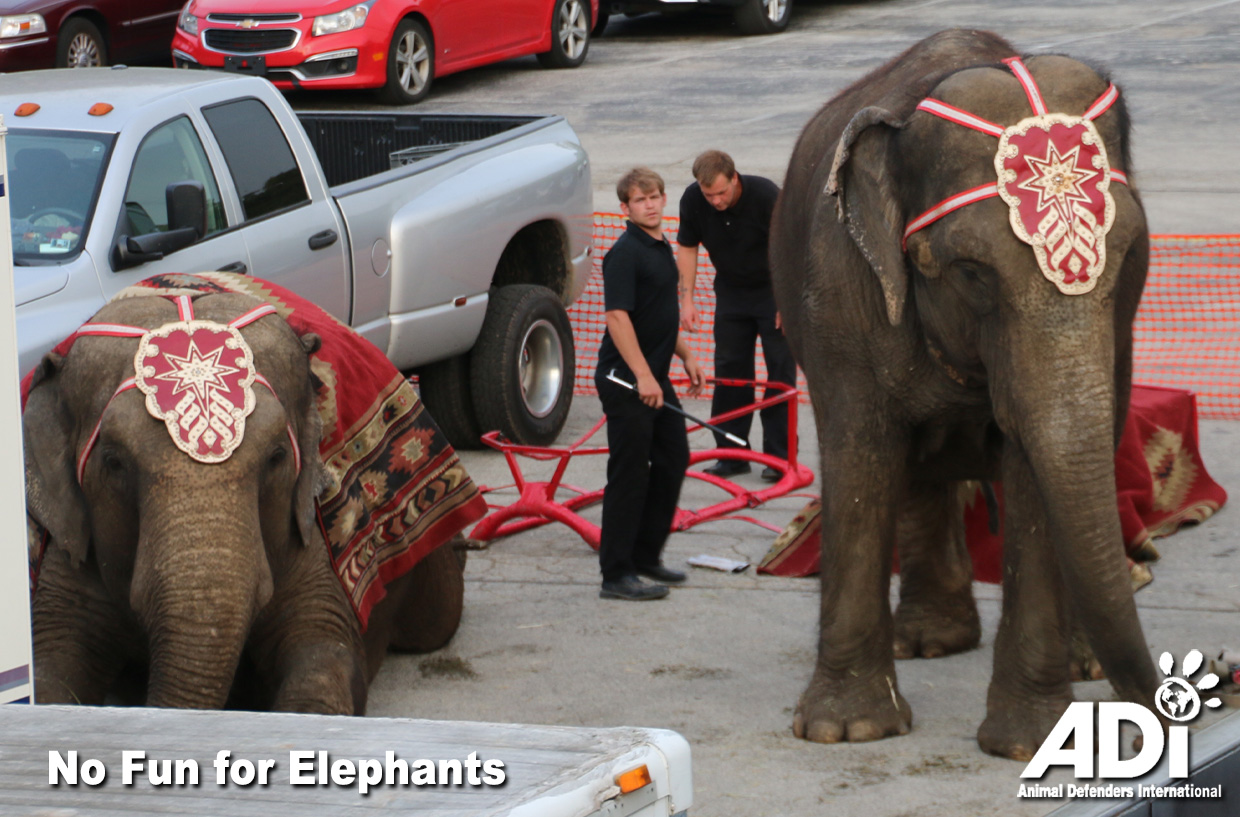
Backwards step for elephants in Wisconsin: For the first time ever the Price County Fair in Phillips has hosted elephant performances and rides. Elephants Kelly and Isla, both almost 60 years old, have been dragged around the country by Carson & Barnes circus for decades, never being able to move freely, shut in trailers, suffering from stress and abuse. Please ask Price County Fair to make future events elephant-free AGAIN. 📩 pricecountyfair@yahoo.com 📞 715-339-2397
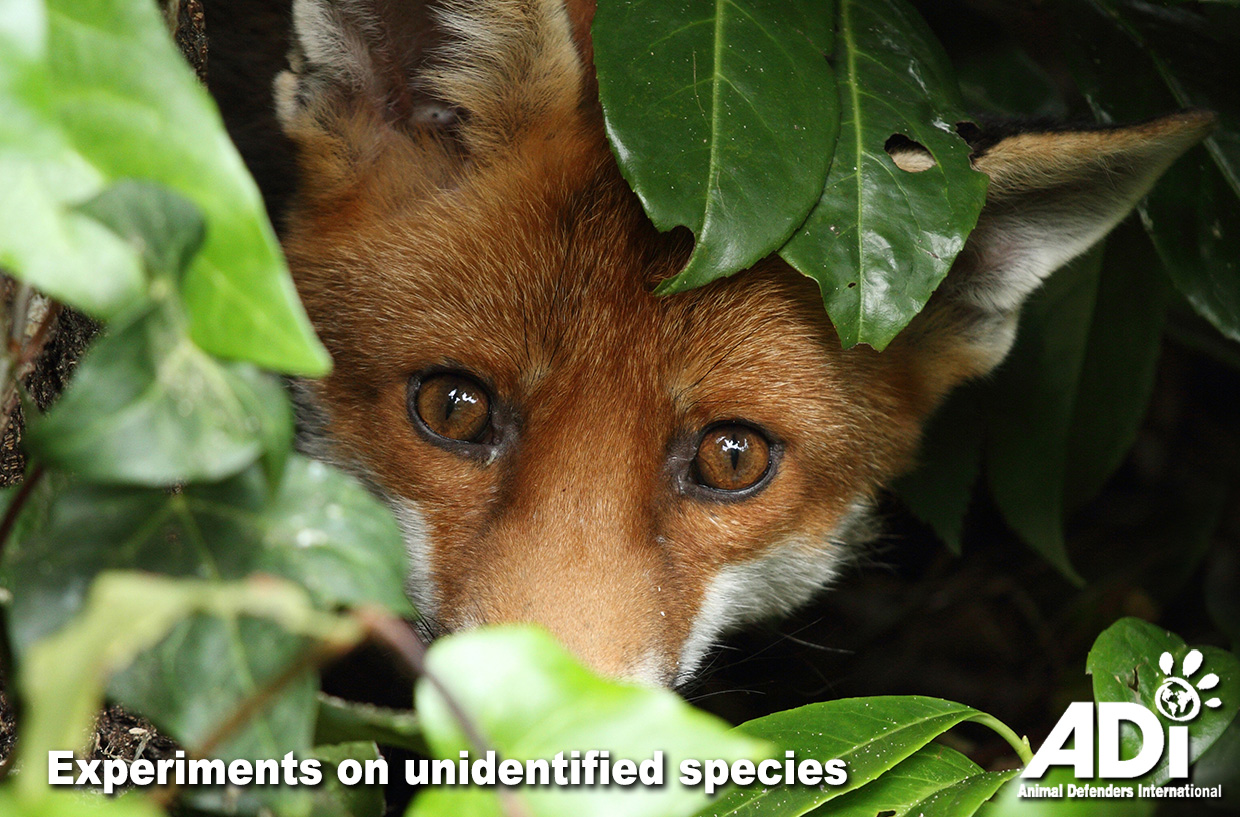
ADI calls on UK Government to explain statistics: The latest official UK statistics on laboratory animal use in Britain record at least 6,000 animals (“other mammals”, “other carnivores”, “other birds”) whose species are not identified. Nearly 600 “other mammals” were recorded as being born at an unlicensed establishment in the UK or unregistered breeder in the EU. ADI has asked the Government to explain the 6,000 suffering animals and why the species was not identified. You can help: contact your MP today and urge them to provide a list on what these unidentified species are and where they come from.
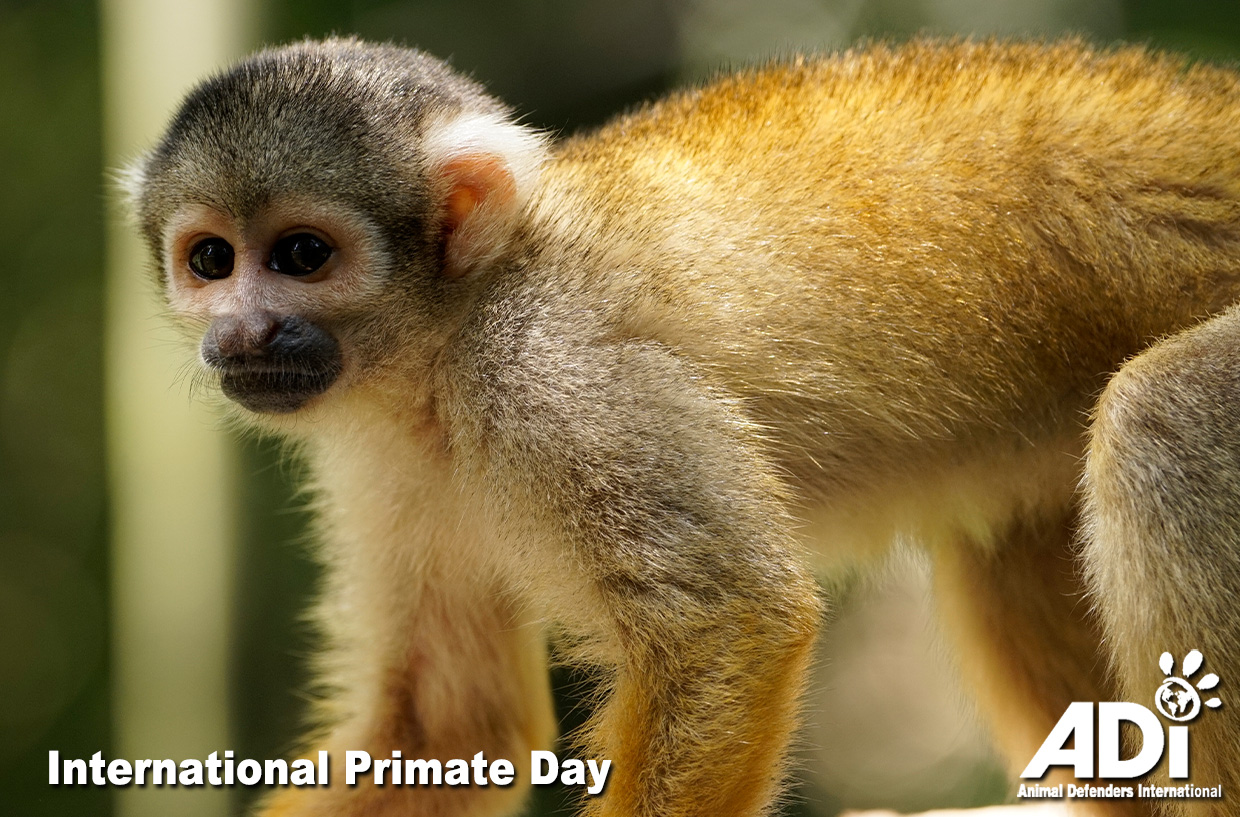
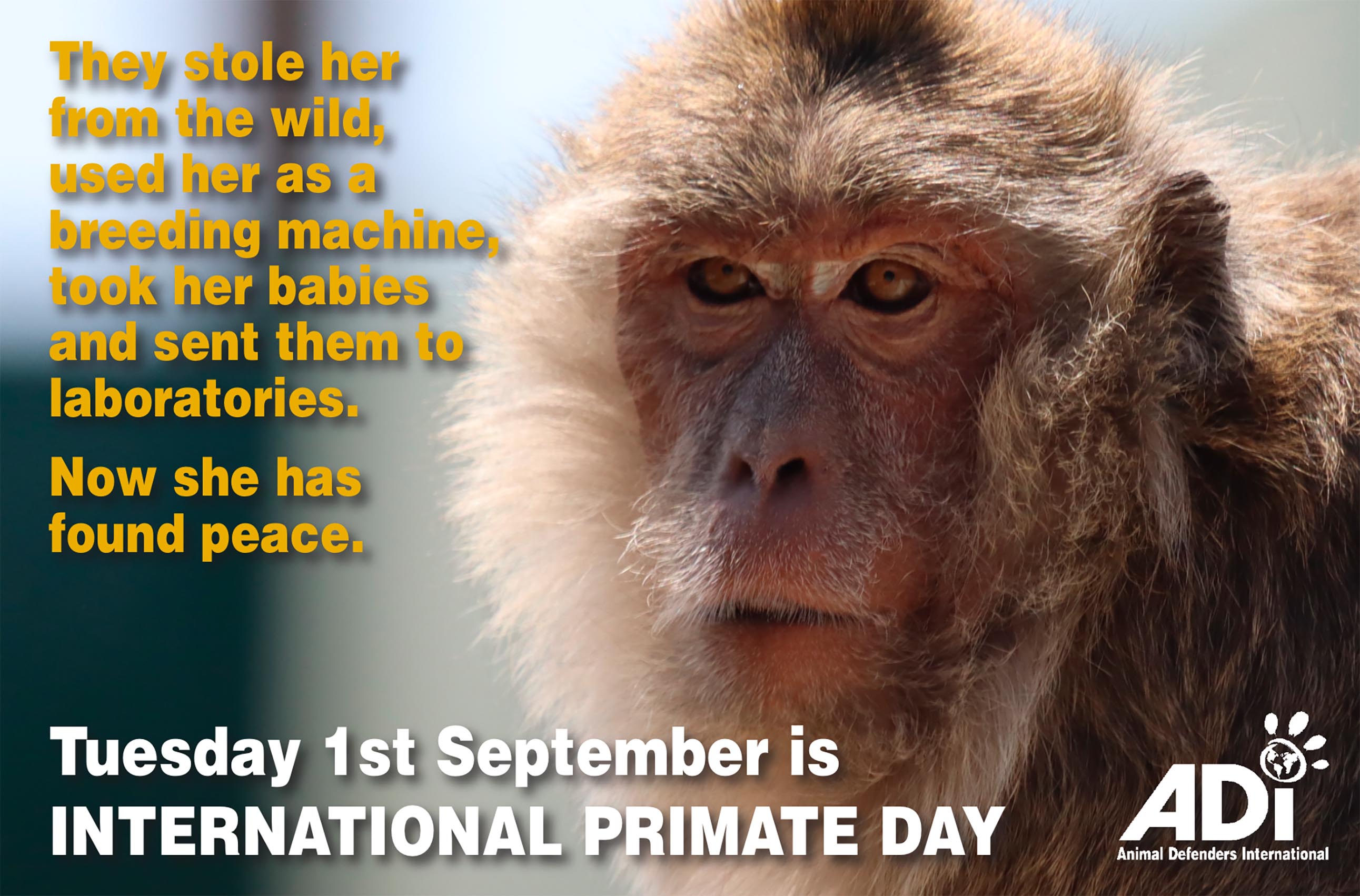
International Primate Day, on 1 September, was founded by ADI in 2005 to highlight the threats to our closest relatives in the animal kingdom – deforestation, Bushmeat, the pet trade, entertainment and experiments. You can check out my blog, where I also highlight some of the survivors, saved thanks to campaigns to end primate suffering.
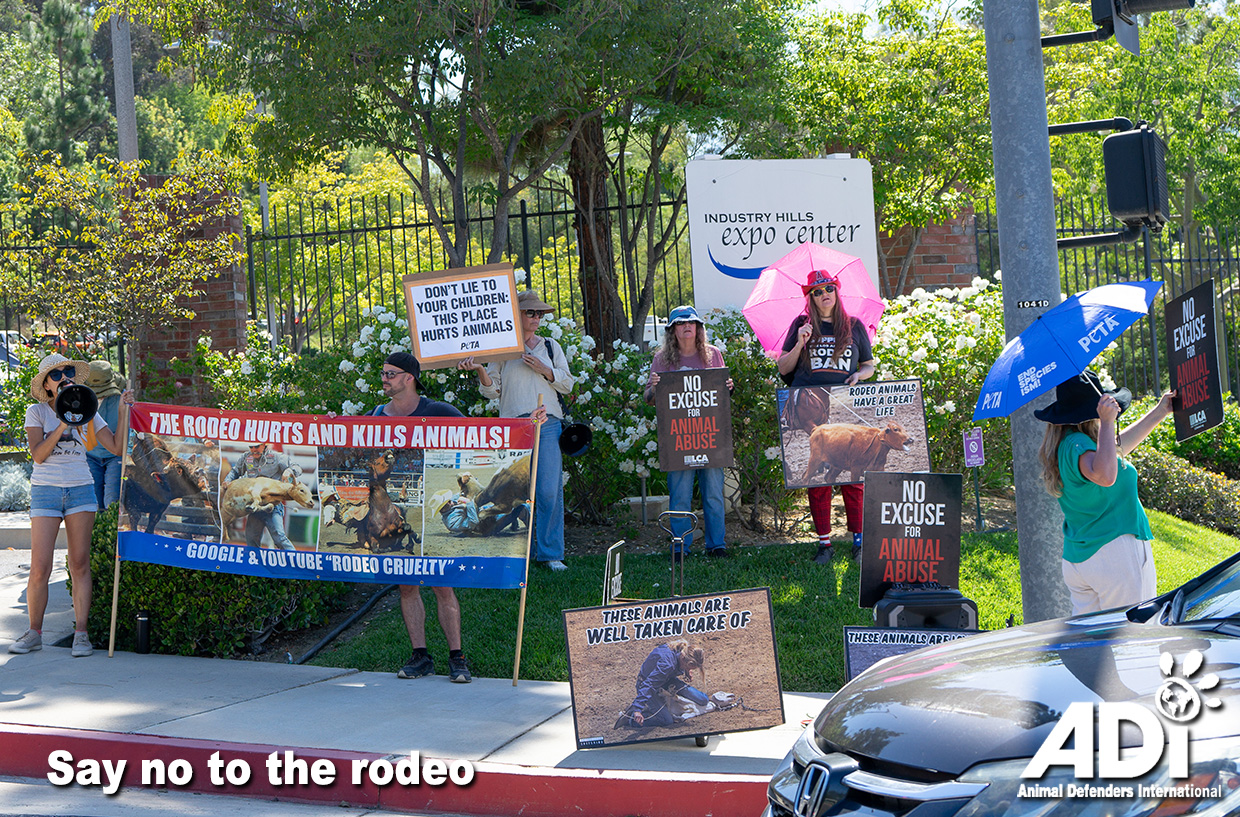
Bill Picket Rodeo Protest: ADI joined the protest outside the Bill Picket Rodeo just outside of Los Angeles, informing people attending about rodeo animal abuse. Recently, two horses were injured and killed at the Outlaw Rodeo college Invitational at the Humboldt County Fair, California and in Illinois, three men were convicted of animal cruelty for deliberately ripping the tails off bulls during a ‘steer tailing/coleadero’ event. Such displays of brutality should never be entertainment. Help us end this cruelty. Let us know if you would like to join or host a protest in your area.
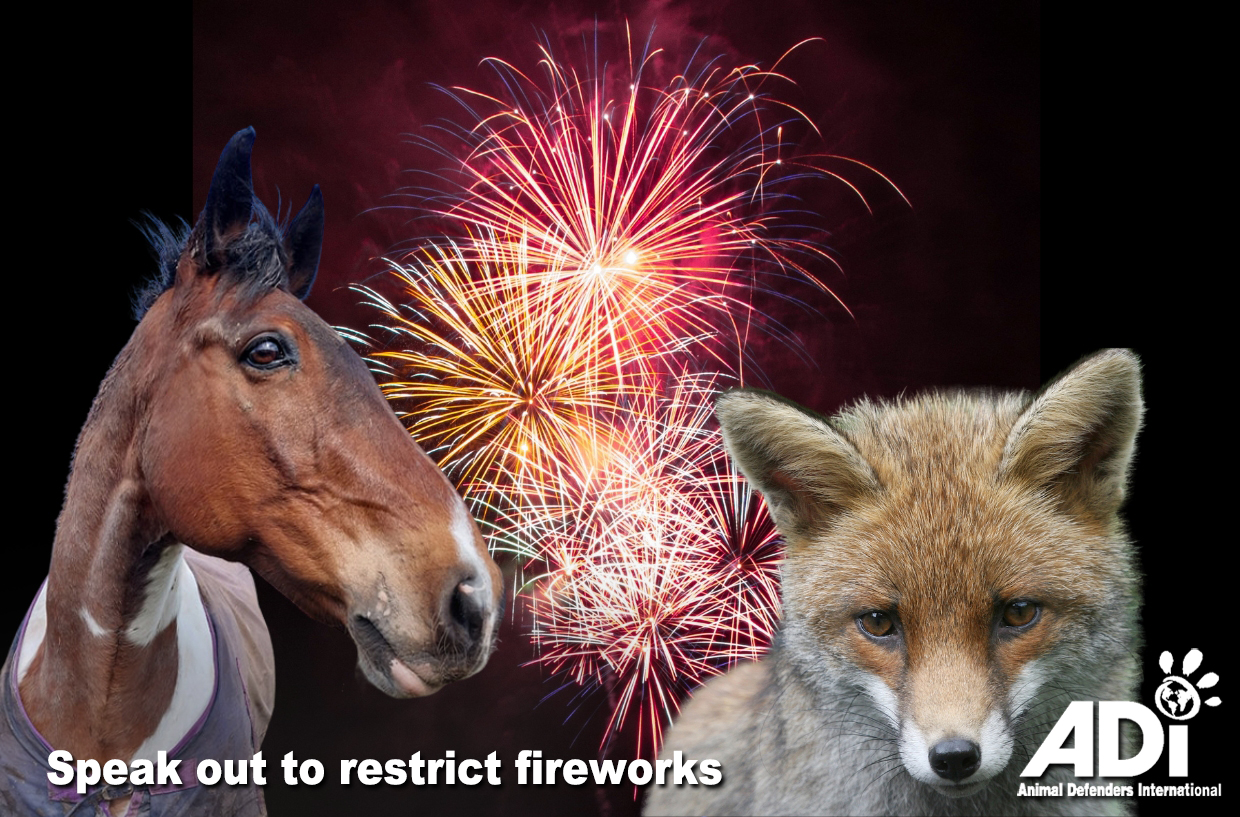
Fireworks frighten animals. The UK government is holding a public consultation on restrictions on fireworks – PLEASE TAKE PART. Fireworks cause distress, injuries and deaths of pets, farmed and wild animals, pollution, human injuries, and fires every year. Home firework displays seem to becoming more and more frequent and involve ever louder fireworks. It is essential that restrictions are placed on the noise caused by fireworks. ADI has prepared template answers to make participation as easy as possible. Take action here.
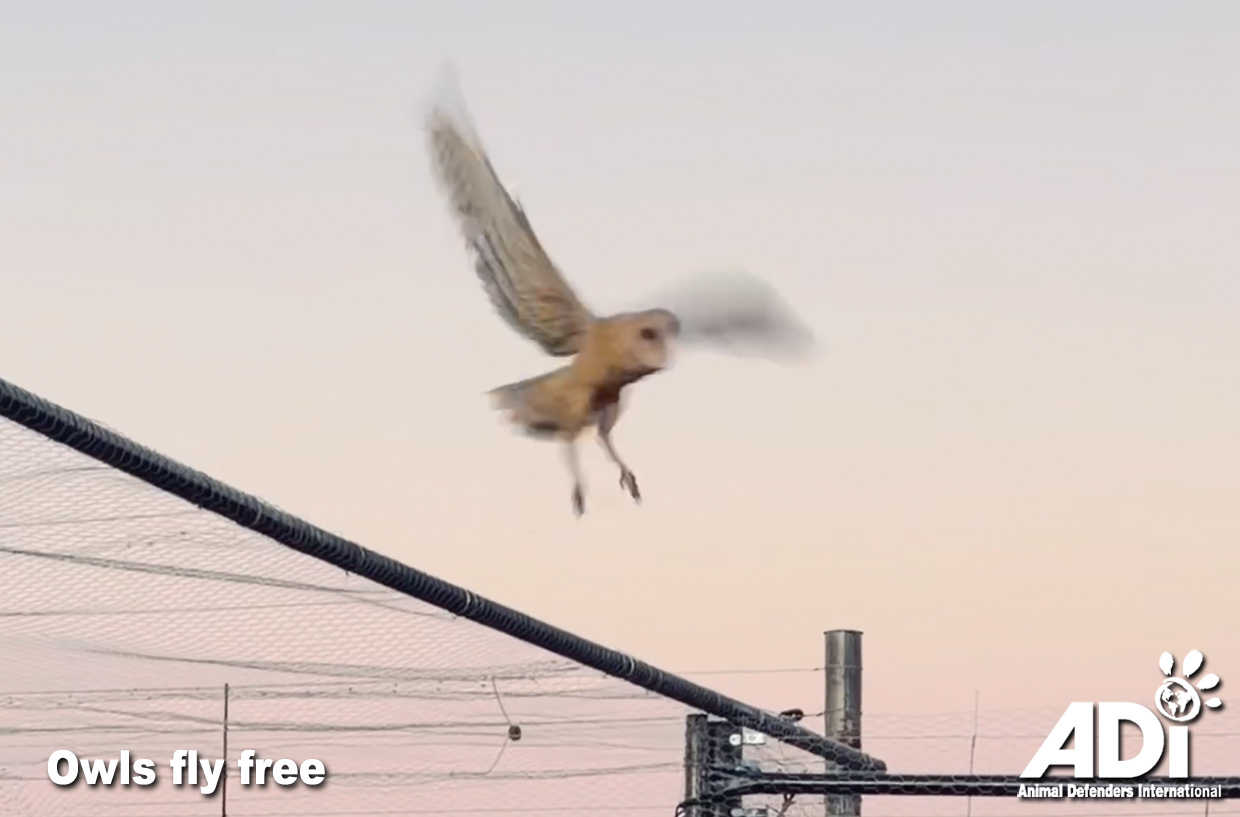
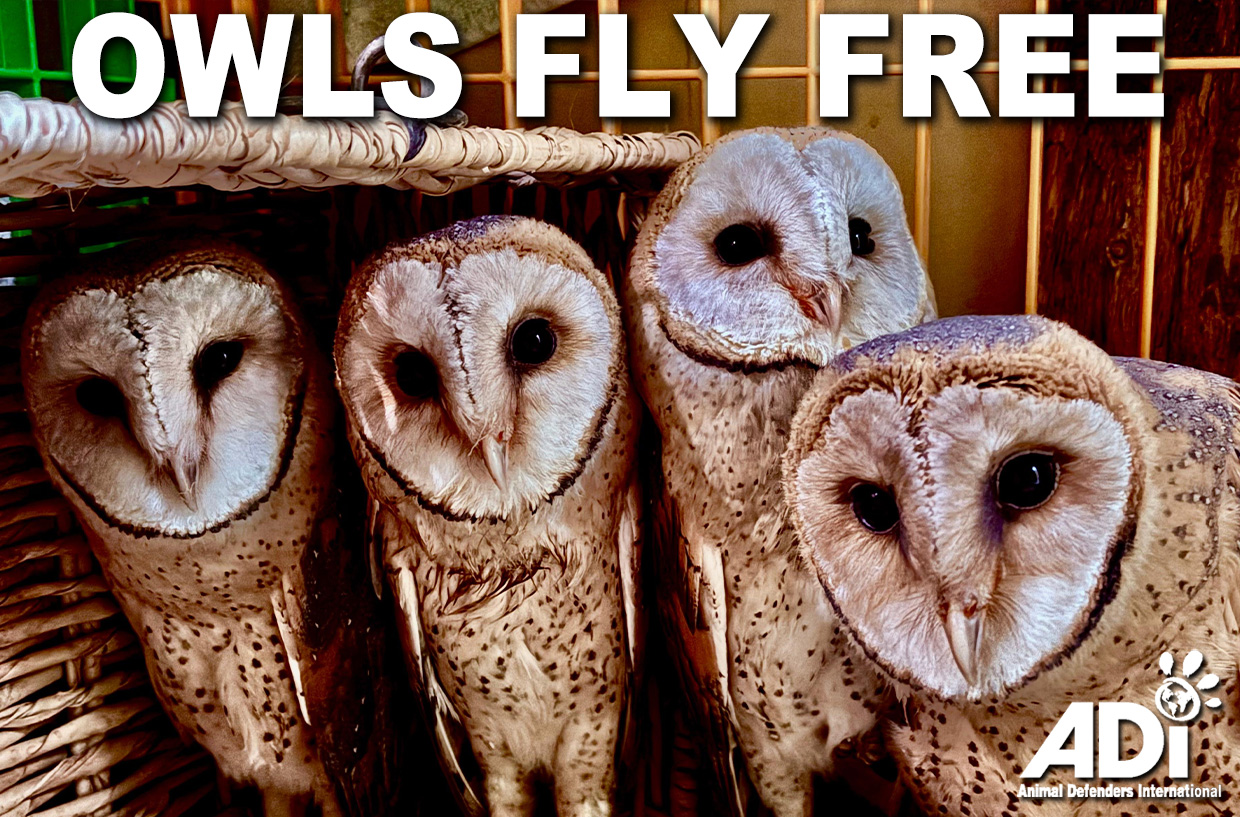
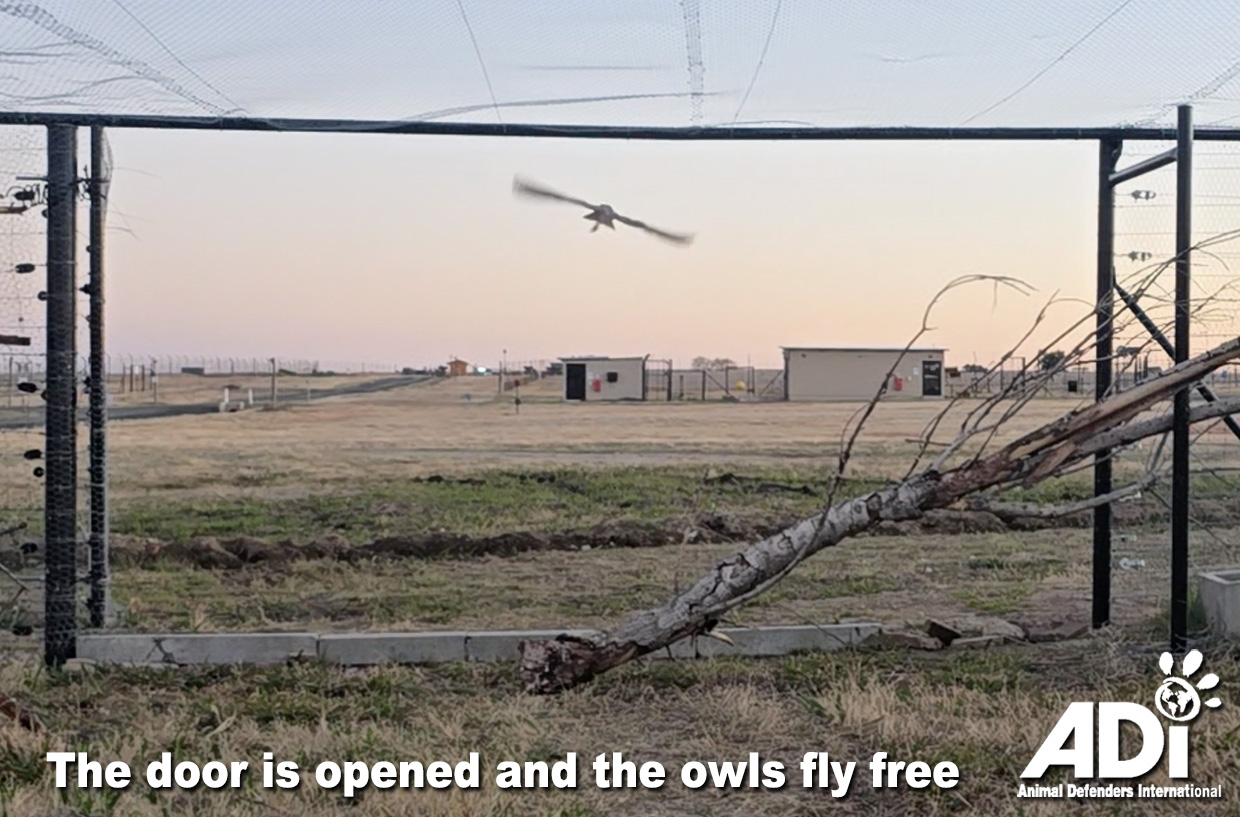
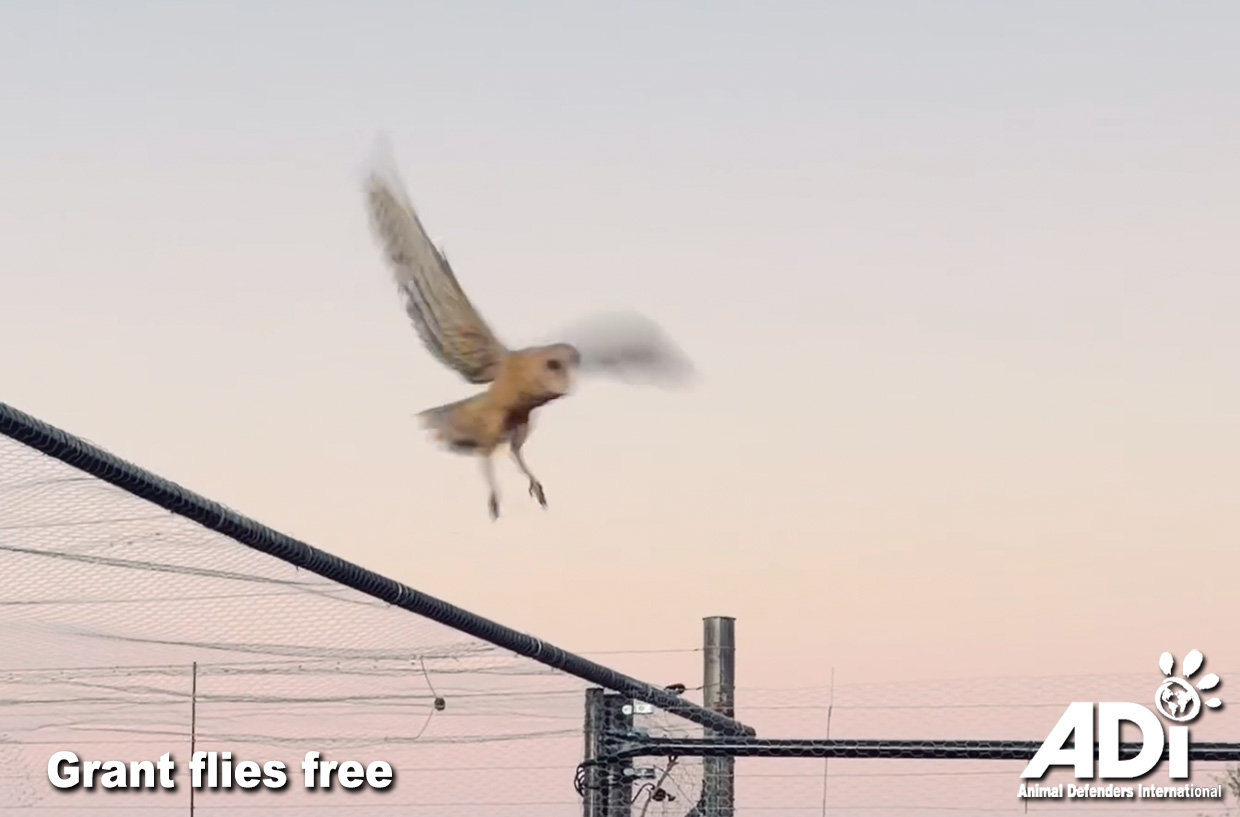
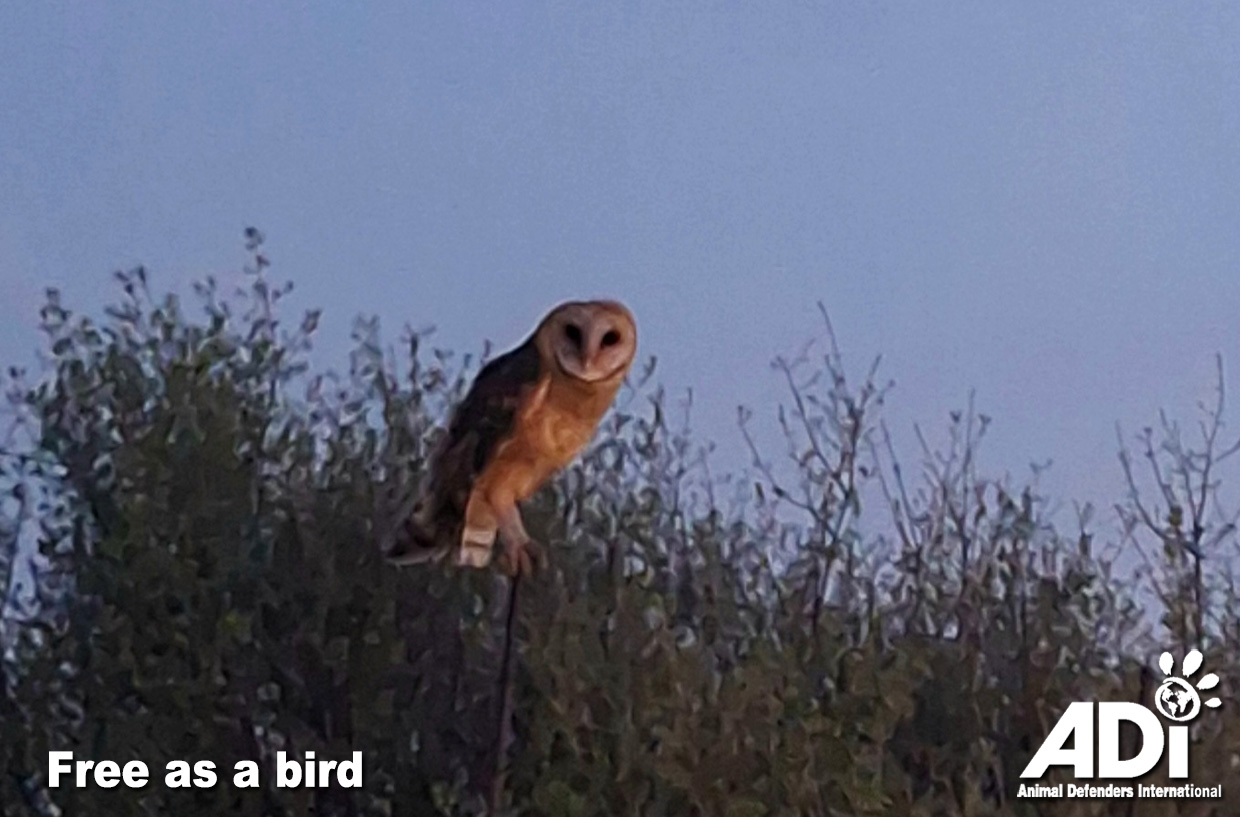
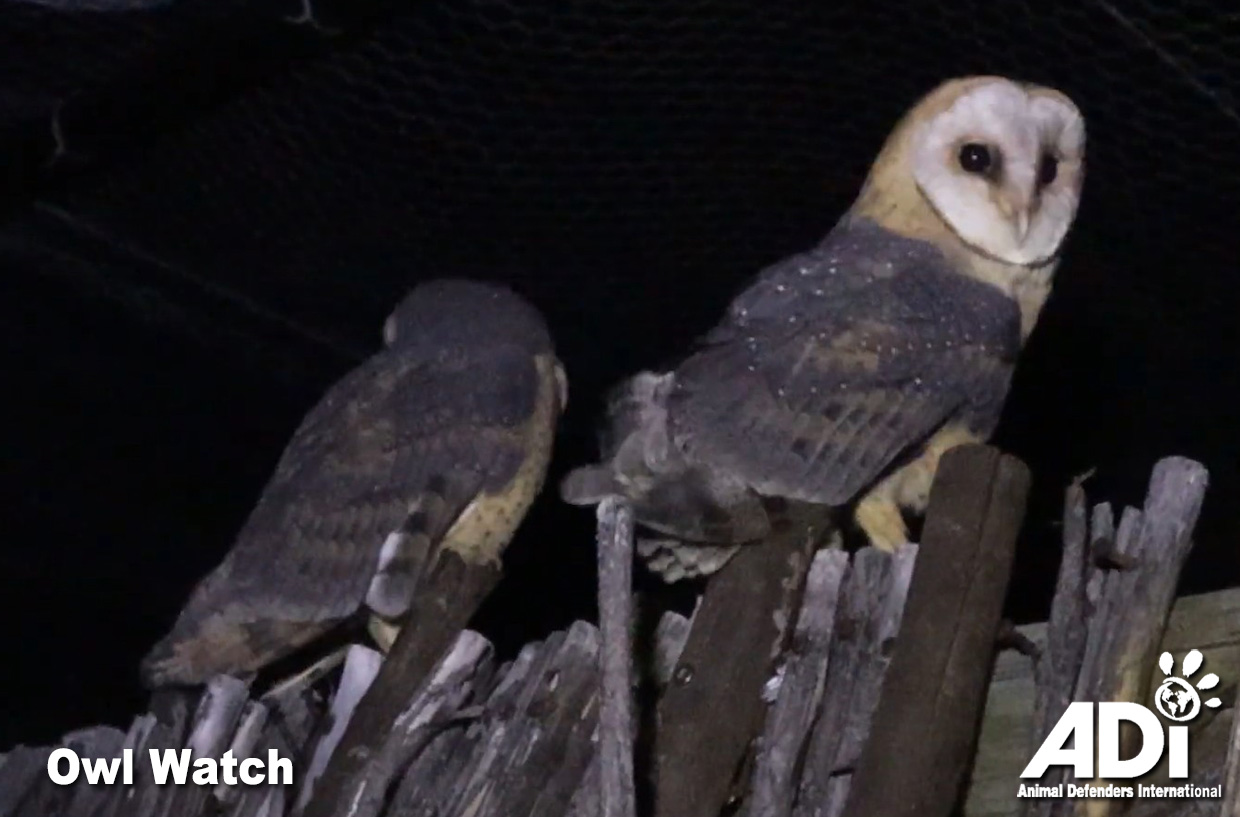
Freedom for barn owls. After three months of being nursed and nurtured at the ADI Wildlife Sanctuary, three of our rescued baby barn owls, Grant, Neo, and Tshepo, have flown free and are occasionally spotted around the sanctuary. The fourth, Lesedi, cannot fly well enough yet and continues to be cared for in the ADIWS aviary. The young owls highlighted the importance of the ADIWS Non-Predator Reception Area which was built earlier this year to receive domesticated species and wildlife. You can see all the episodes of our Owl Watch here, including the grand finale as they are released.
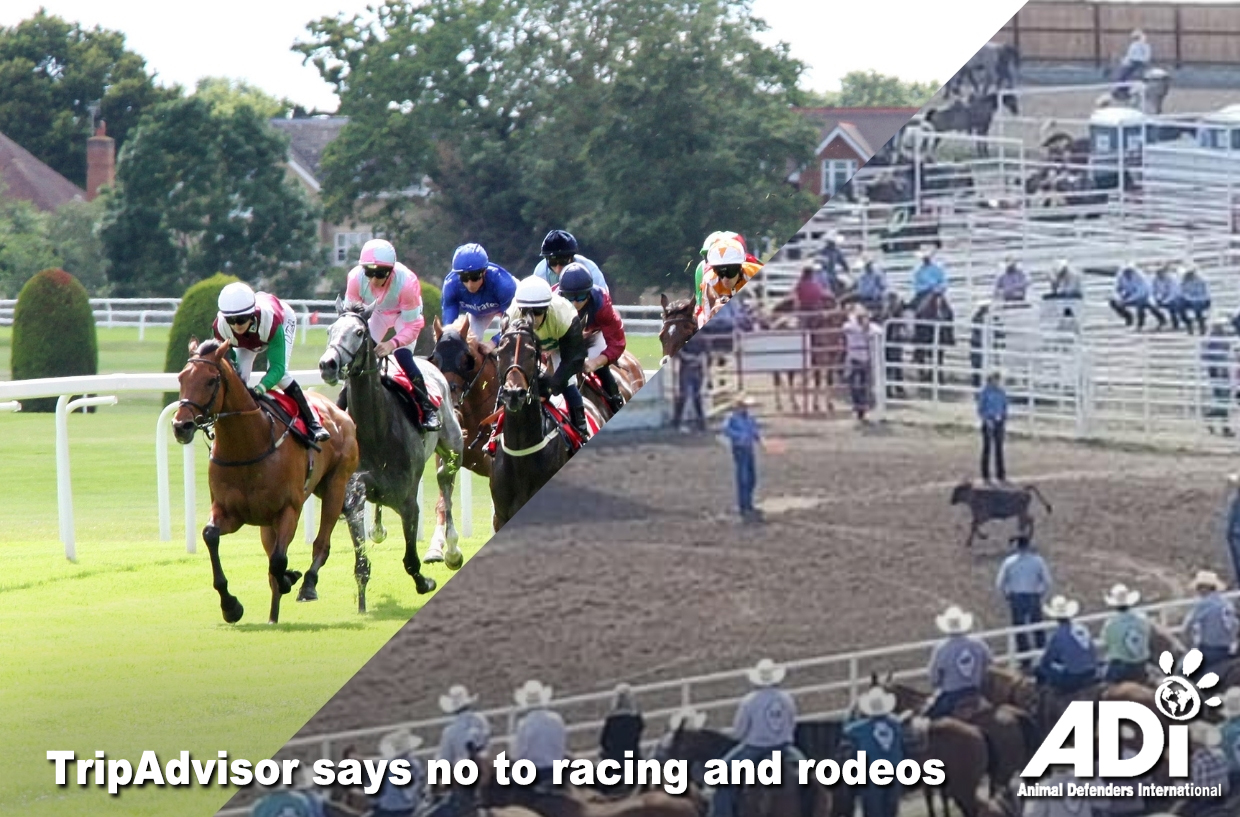
GOOD NEWS! Online travel guide TripAdvisor has expanded its animal welfare policy to include animal racing and rodeos, and will not allow ticket sales via its platform for, and or generate booking revenue from, specific experiences including most dog, horse, and camel racing and rodeo-style events.
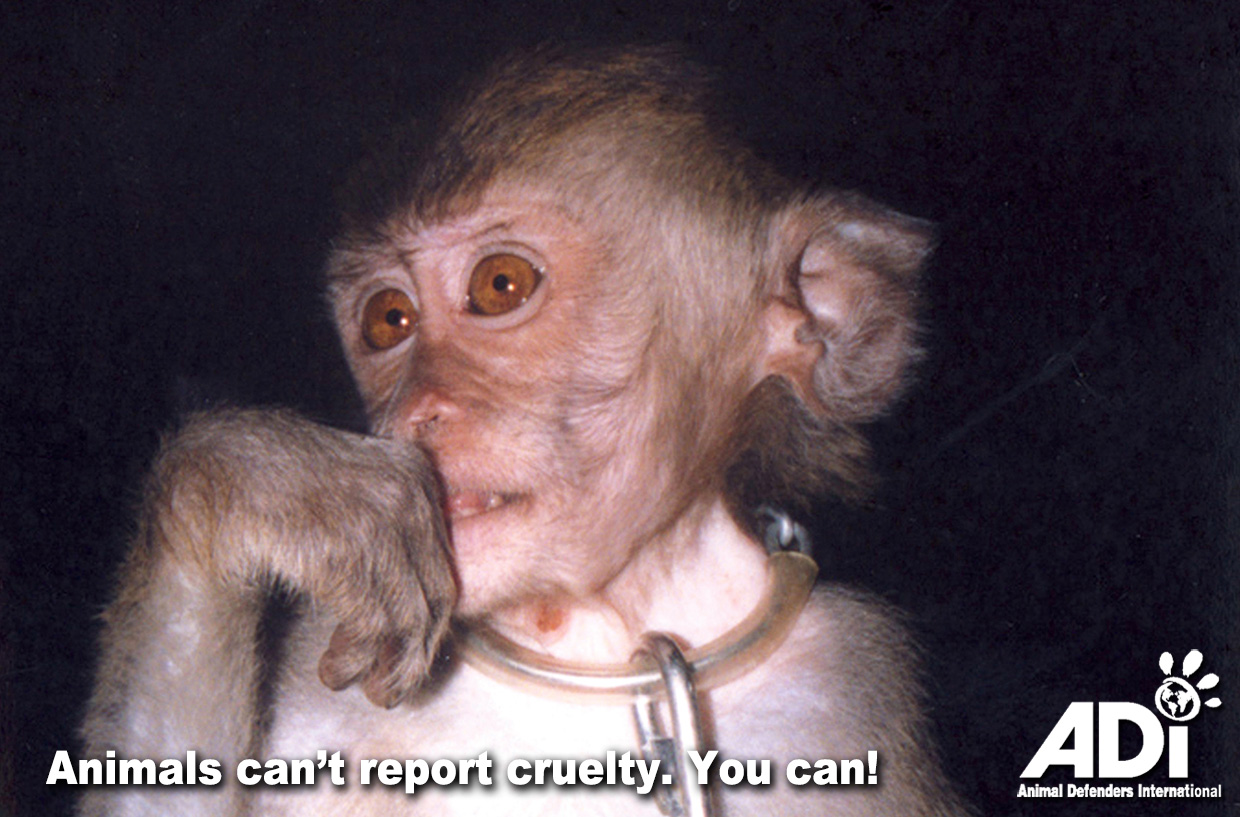
This is Report it Week! (21-27 September), to raise awareness of online animal cruelty and encourage people to act when they spot harmful animal content online. Every day, millions scroll past animal cruelty videos online. Algorithms reward engagement, not empathy or compassion and animals pay the price while the creators make a profit. Don’t watch it again; don’t like, comment or react; don’t share it to “raise awareness”. Be aware – not all animal cruelty is obvious, it is often dressed up as comedy, cuteness or even rescue, designed to earn views, shares, and money. These videos are funding cruelty and normalizing violence to animals. Don’t just scroll. Report it: Directly to platforms and to ADI at whistleblower@ad-international.org. Every report adds to a collective signal that online animal cruelty is unacceptable.
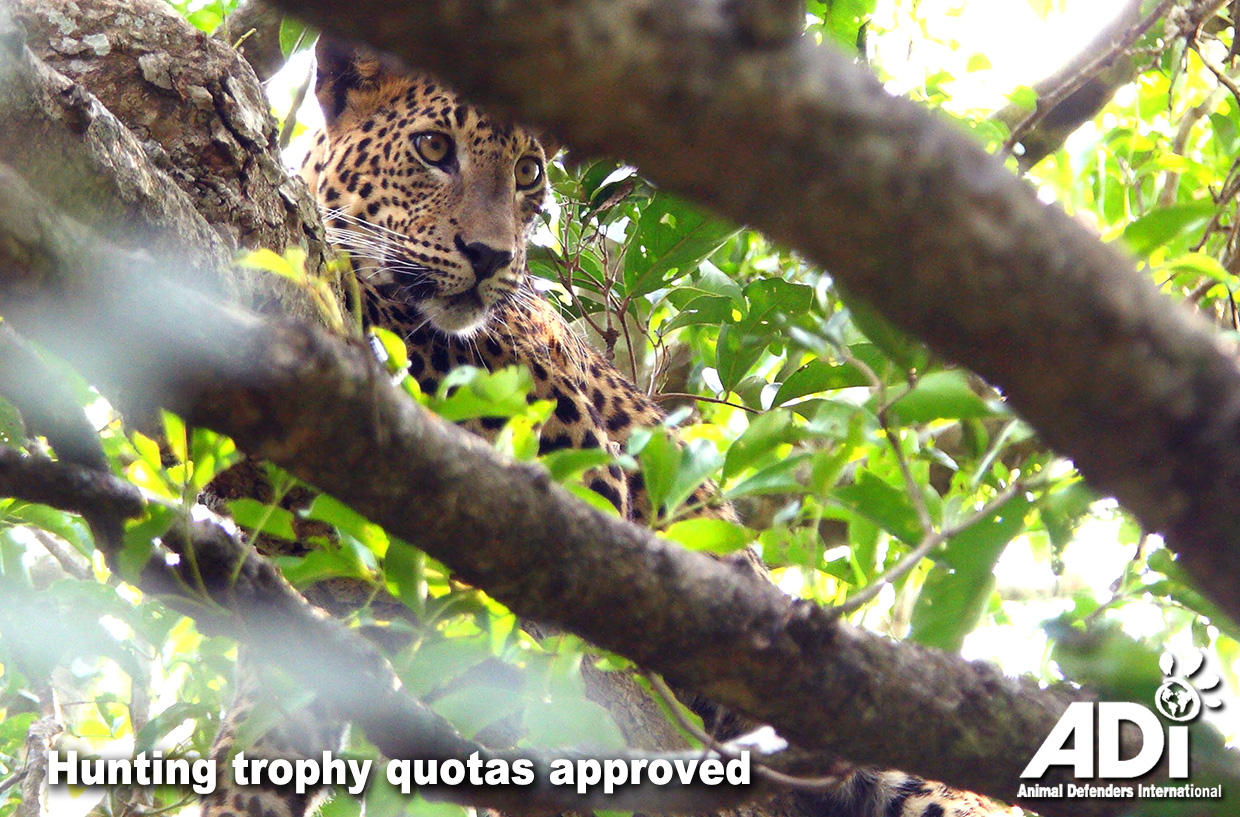
South Africa has approved export quotas for elephant, black rhino, and leopard hunting trophies. The new Minister for Forestry, Fisheries and the Environment, David Maynier, published the quotas on 31 August, which will permit hunting and export of tusks from 150 elephants, and trophies from 11 black rhinos, and 11 leopards in 2026, and a further 300 elephant tusks from 150 elephants, 11 black rhinos, and 10 leopards in 2027. In March, ADI submitted responses to the draft quotas urging the SA government to listen to the science and strengthen non-lethal, science-led conservation strategies to give the country a global leadership role in wildlife conservation. Help maintain the pressure for trophy import bans across the world.
In the UK, contact Prime Minister Andy Burnham to ask for the Labour government to follow through with their manifesto to ban trophy imports.
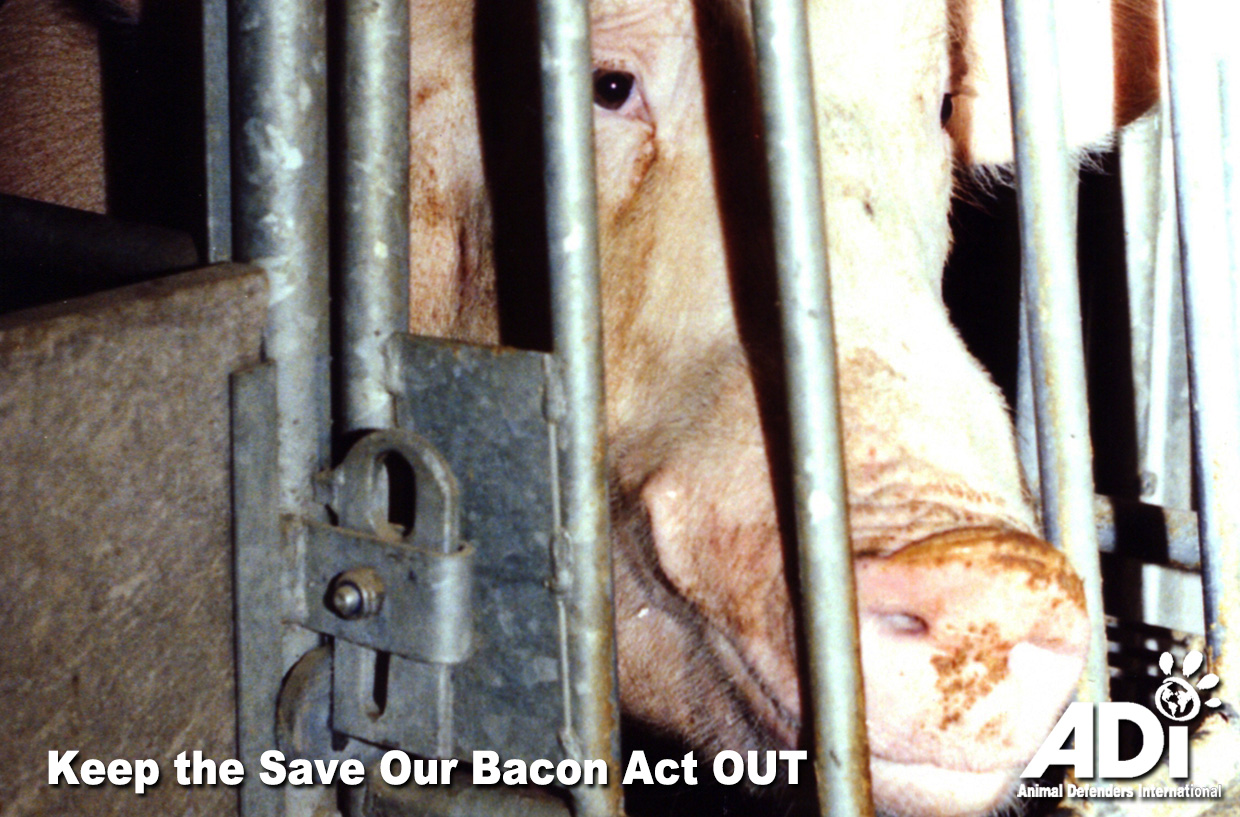
Protections for factory farming dropped. The US Farm Bill has passed in the Senate Committee on Agriculture without the Save Our Bacon Act language, which would prevent states from forbidding the sale of meat derived from animals confined in cruel conditions. However, the fight is not over. The Senate still needs to pass the bill and could incorporate the Save Our Bacon Act language. Please contact your Senators, urging them to keep the Save Our Bacon Act language OUT of the Farm Bill.
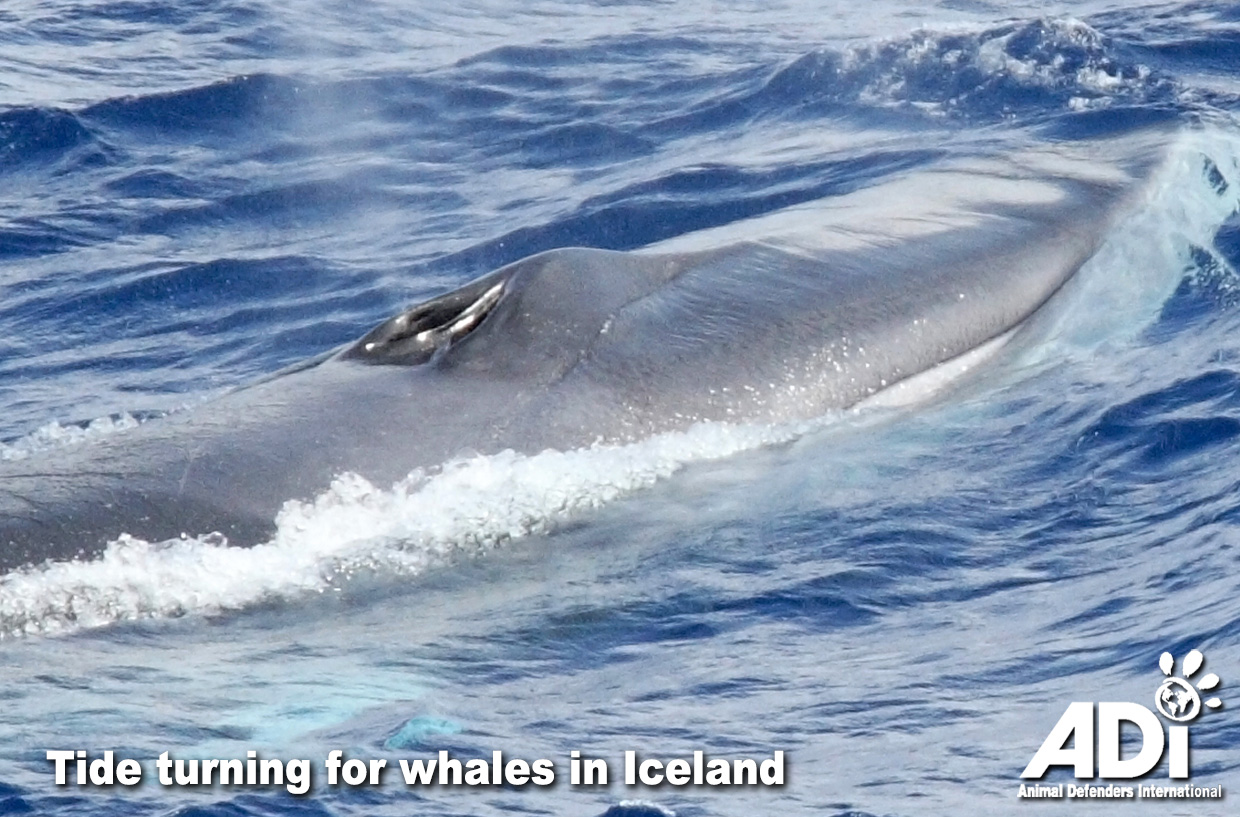
Iceland confirms plans for whaling legislation. The Icelandic government has proposed a permanent ban on whaling for February 2027. Iceland is one of just three countries where commercial whaling continues, the others being Norway and Japan. If the ban goes through, this could mark a major step towards ending this cruel practice for good. The legislation still needs to be introduced and passed so, until then, whales will continue to be needlessly killed. So far this season it is thought around 80 whales have already been killed in Icelandic waters.
Thank you to everyone who has already written to Iceland’s Prime Minister, Kristrún Frostadóttir and Minister of Industries, Hanna Katrín Friðriksson, using our action page – let’s keep the momentum going.
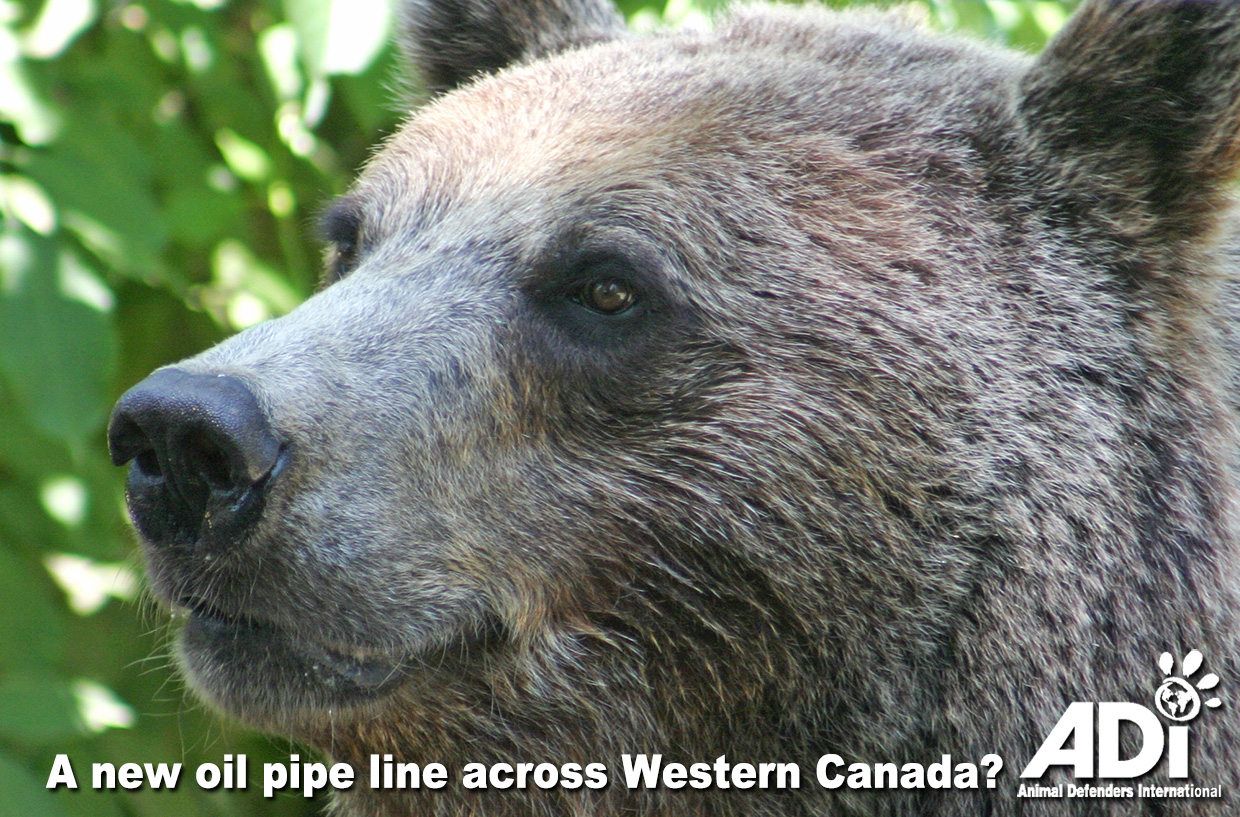
Canada considering almost 800 mile piepline from Alberta to the British Columbia coast, to transport millions of barrels of crude oil. The proposal would include huge infrastructure, pollution, and wildlife disturbance across terrestrial, freshwater, and marine habitats, decimating populations of species already threatened with extinction. The Government of Canada asked for comment on the proposal to designate the project as a ‘project of national interest’. Thank you to all who took part using our action page before the deadline last week. View ADI’s submission here.
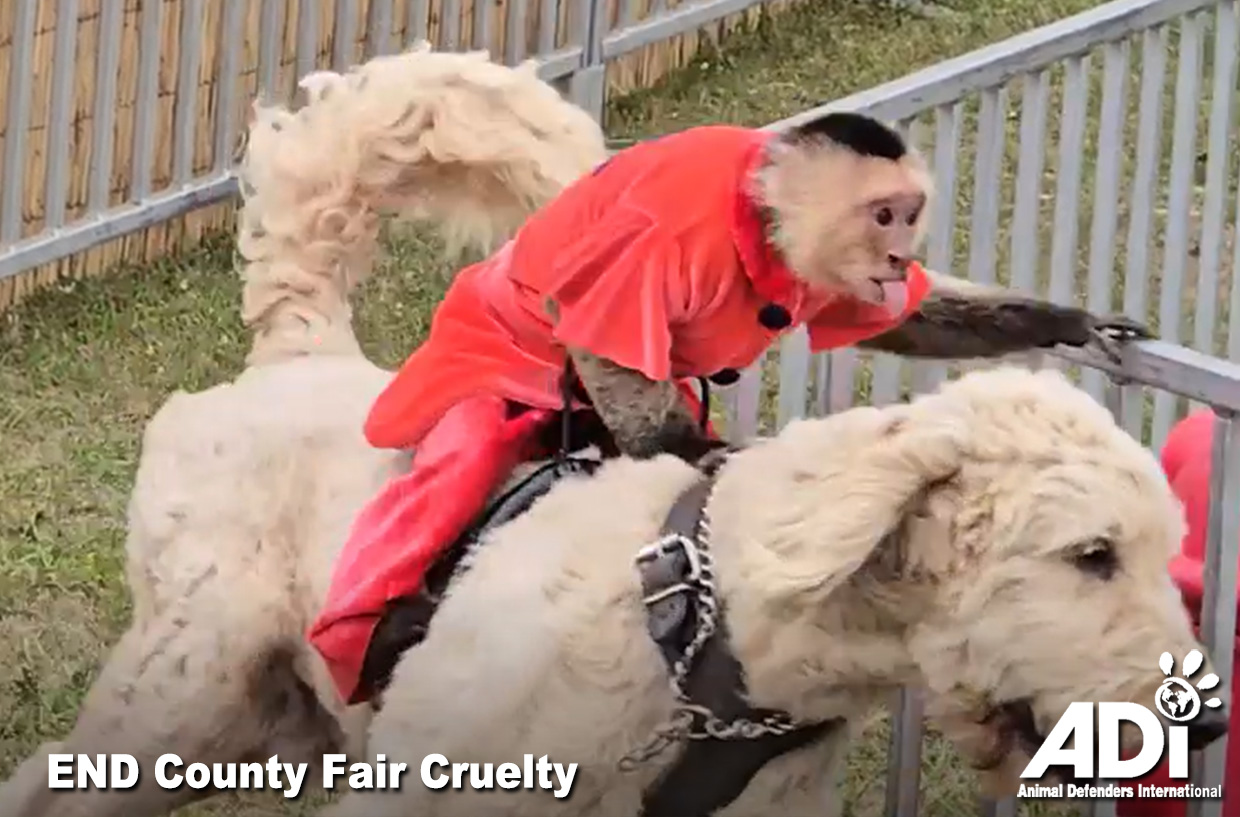
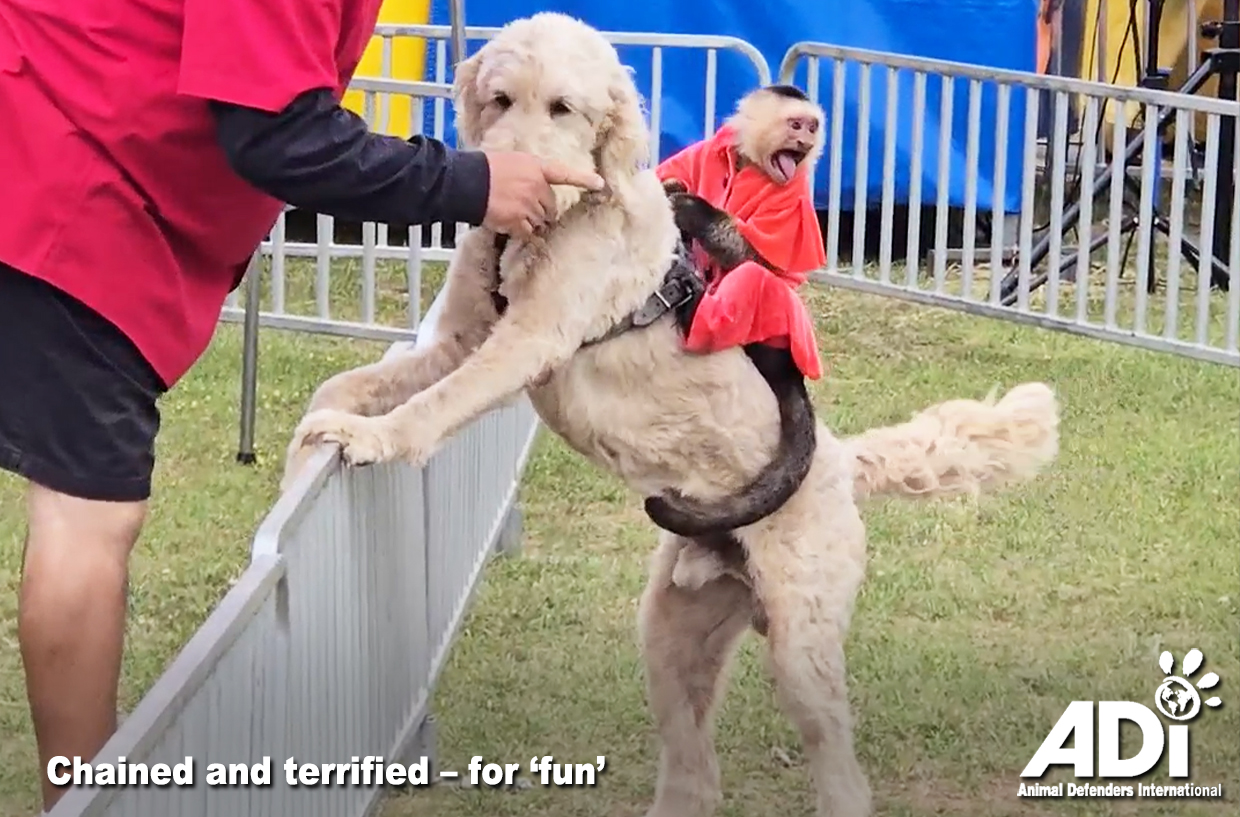
The Coffee County Fair in Manchester, Tennessee recently hosted Banana Derby, where dogs race around makeshift tracks with monkeys strapped to their backs. Capuchin monkeys Gilligan and Burt are chained, forced to perform, and repeatedly thrown around by their dog steeds. Gilligan also endures additional hours out in the heat being used for photo-ops. Help cancel this cruelty. Contact the fair and urge them not to host the Banana Derby anymore and to adopt an animal-free entertainment policy. Coffee County Fair 📩 ccfairboard@gmail.com 📞 (931) 723-1546.
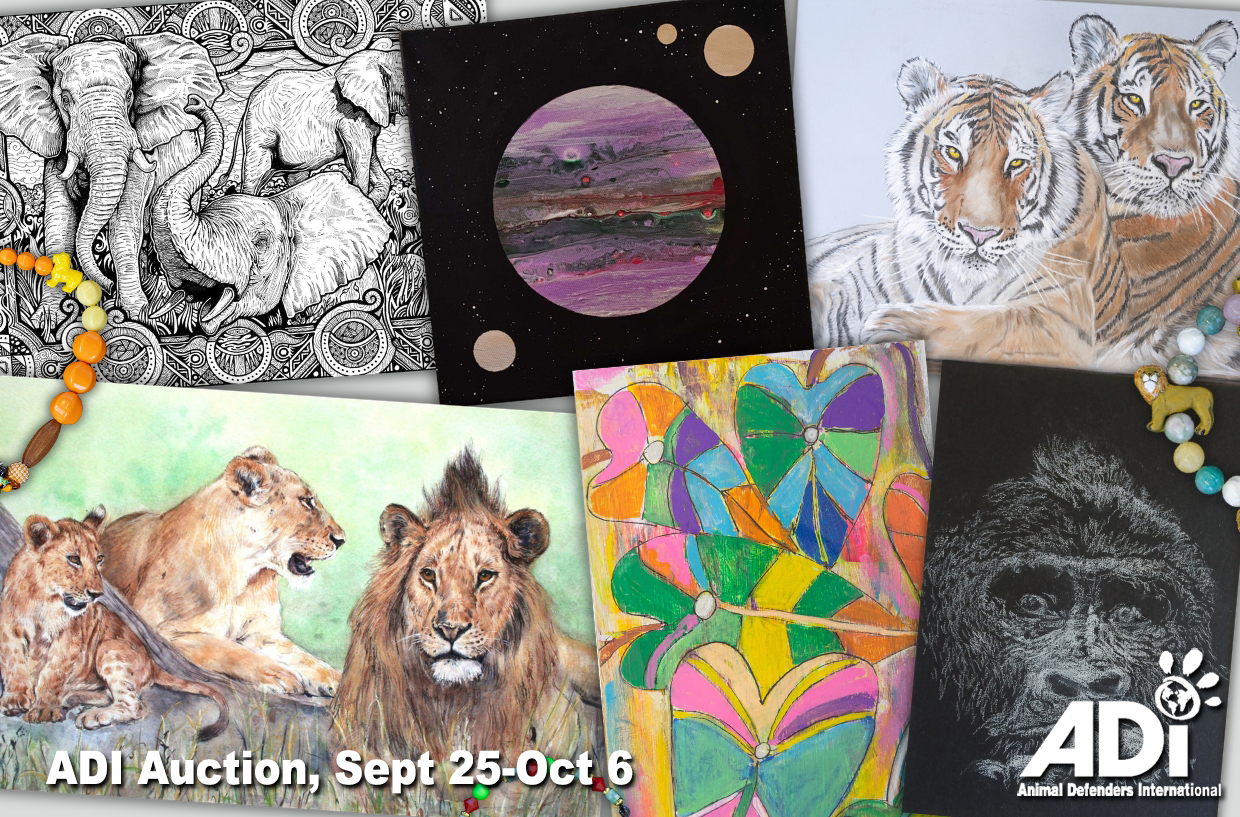
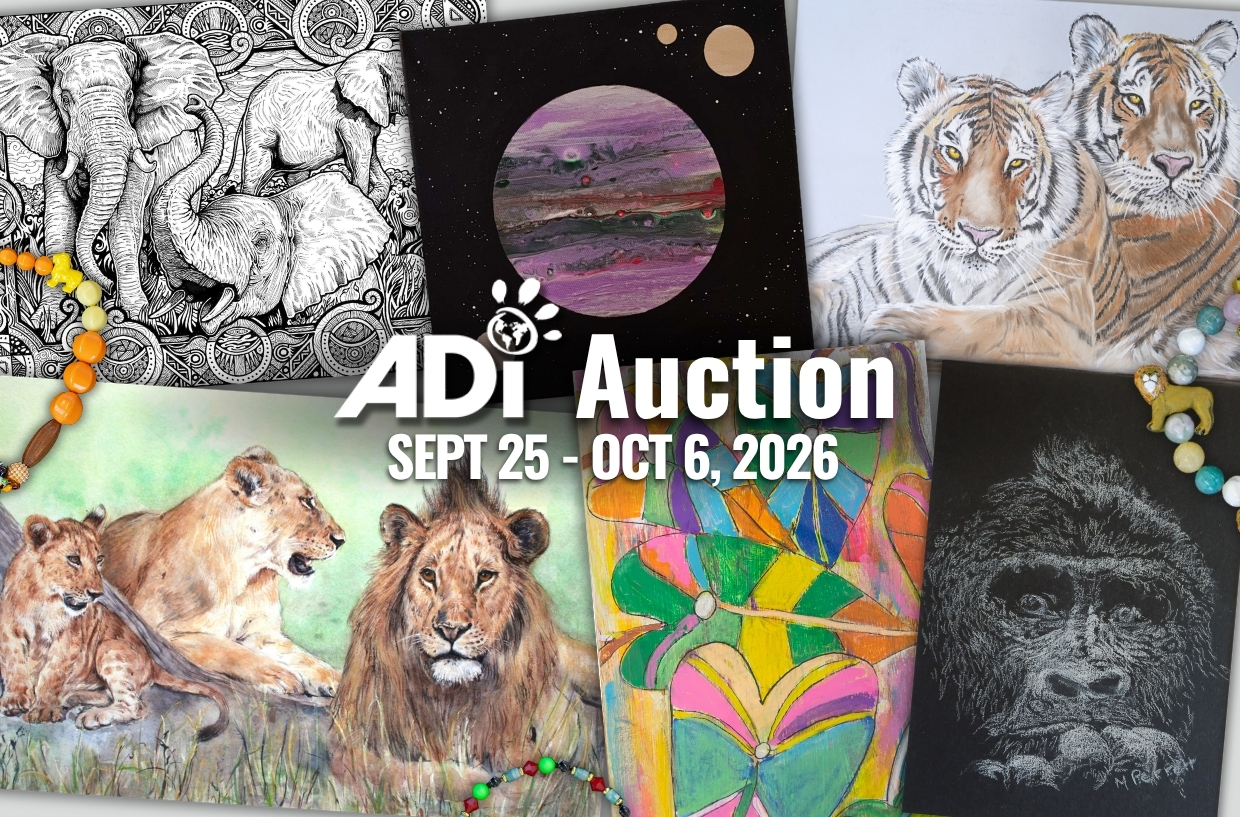
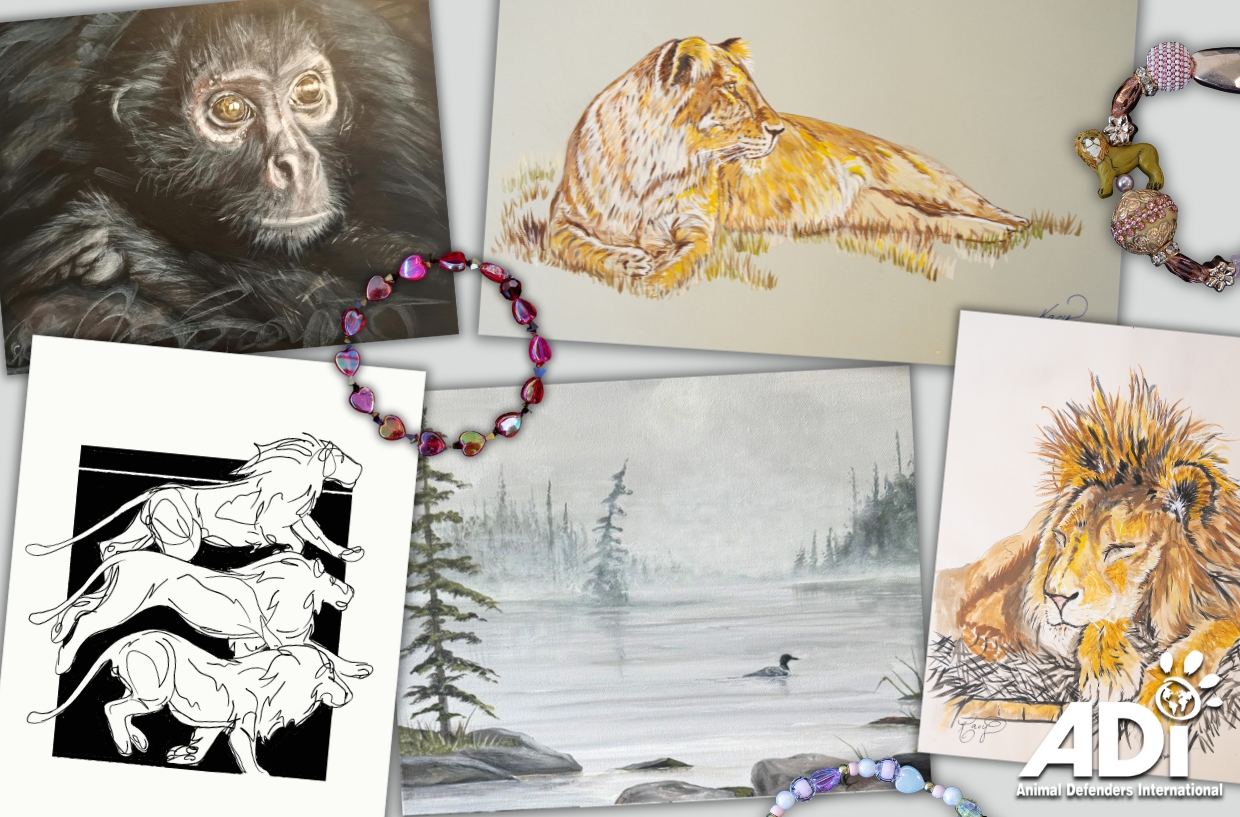
Your chance to help animals and own an original piece of art. Our annual ADI Auction helping to support the care of our rescued animals at ADIWS starts TODAY and will run until Tuesday, October 6 at 8:00pm UK | 12:00pm PT | 3:00pm ET. Browse all items and get your bid in for your favorite piece or the perfect gift for this holiday season at https://bit.ly/ADIauction.
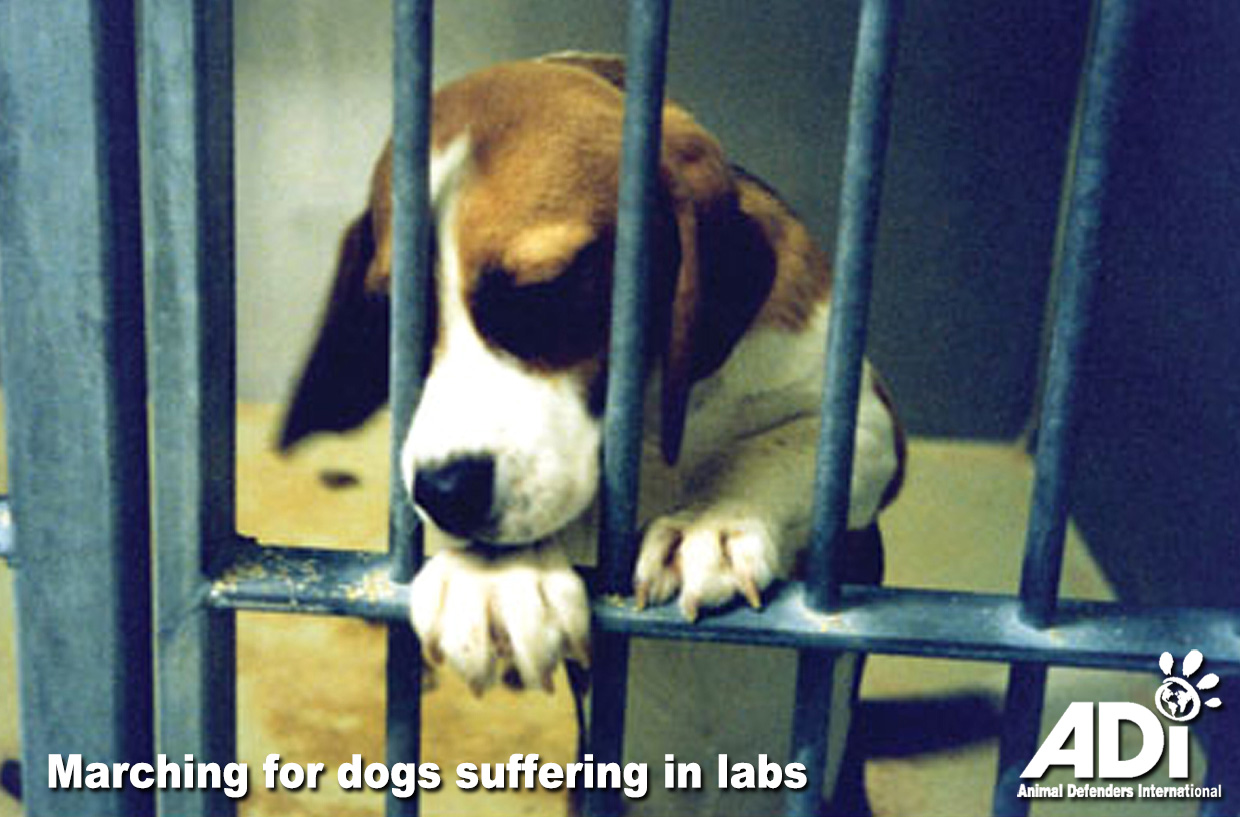
From September 12-26, marches are being held to stand up for dogs, and other animals, suffering in laboratories, ending at Marshall BioResources in the US and MBR Acres in the UK where tens of thousands of dogs are collectively bred for experimentation. ADI investigated MBR when it was called Interfauna and saved several beagles.
Almost all experiments on dogs are performed to meet outdated and unnecessary regulatory testing requirements. Advanced, human-relevant technologies provide safer, faster, more accurate and humane replacements for animal experiments, it is vital that these be adopted by regulators and governments. The US, UK, and EU have all produced ‘roadmaps’ for the elimination of animal testing, it is vital that these incorporate regulatory testing protocols.
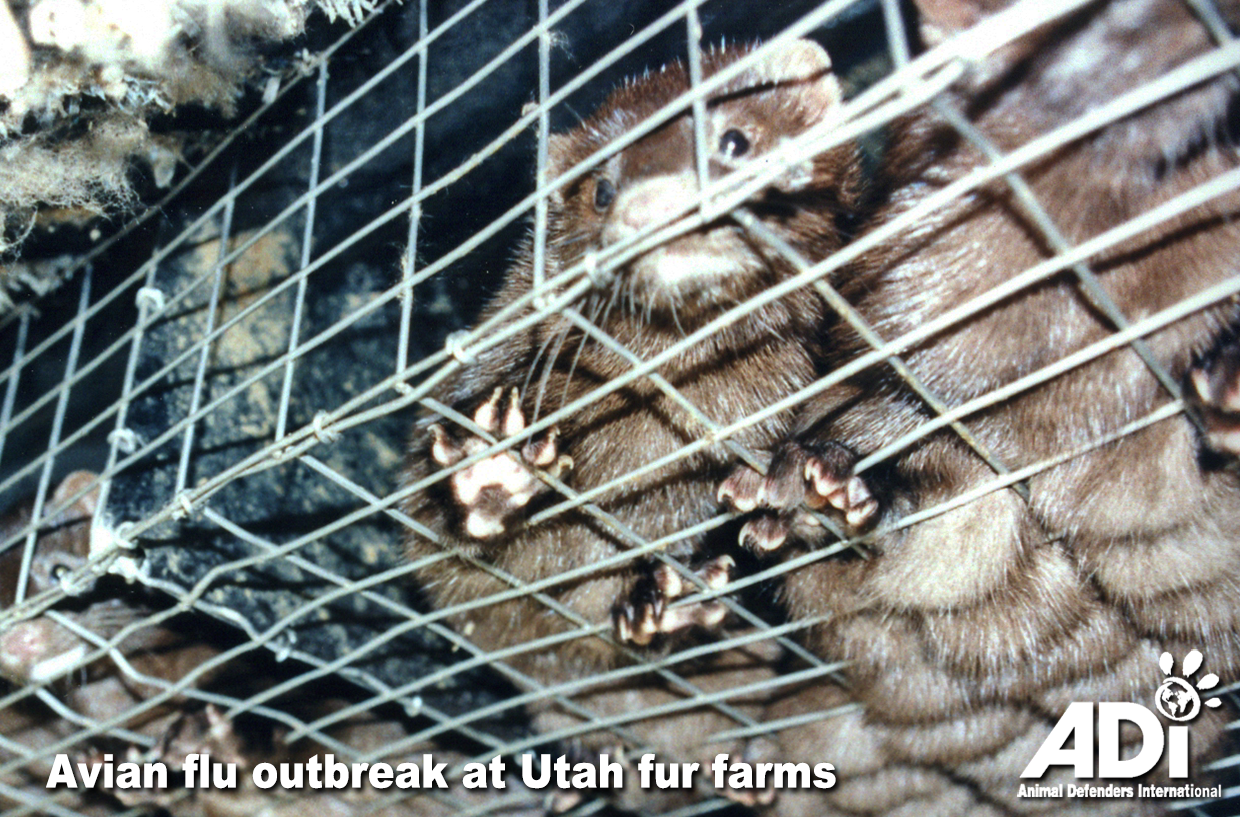
Animals farmed for their fur, including mink, are kept in long rows of tiny wire mesh cages, confined to small spaces with wire mesh floors, allowing excrement to pile up below. The vast number of animals, confined in a small space, and unsanitary conditions, make fur farms a breeding ground for disease. The USDA recently confirmed an outbreak of avian influenza (H5N1) amongst captive mink in Utah. Mink have respiratory receptors similar to those of birds and humans, so can spread H5N1 to both. Covid-19 and the H5N1 have shown that fur farming is not only cruel, but increases the risks of another pandemic.
If you live in the U.S., urge your Congressmembers to support H.R. 2185, the Mink VIRUS Act, to phase out the use of mink in fur farms and prevent future outbreaks from happening again.
In the UK, contact your MP today, and ask them to support the Fur (Import and Sale) Bill to prohibit the import and sale of fur.
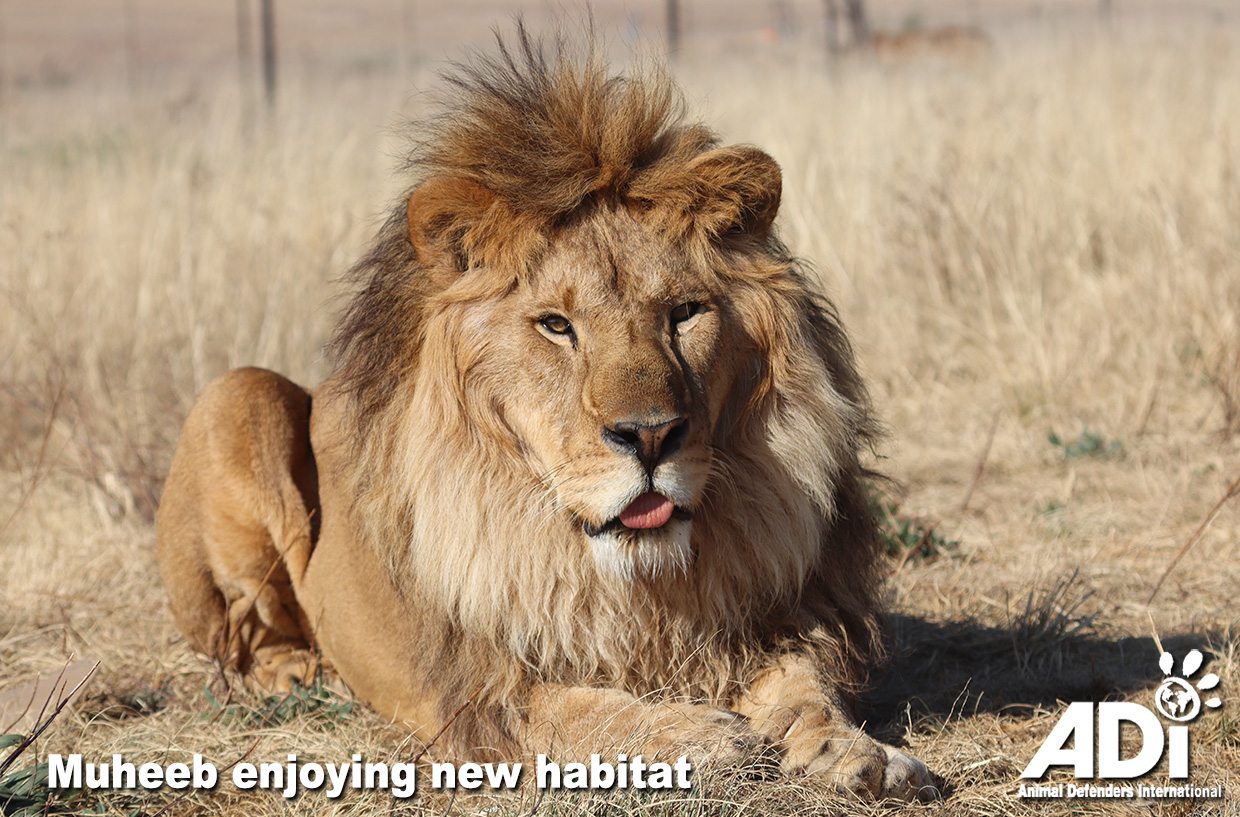
New homes for Kuwait lions. 18 months after his devastating cancer diagnosis, Muheeb is still full of energy. Muheeb’s cancer appears to be in remission but the diagnosis meant we had to re-evaluate plans for him at the ADI Wildlife Sanctuary. We decided to give him as much space and fun for as long as possible. He is now in a new 2.5 acre habitat – Keith’s Happiness Habitat – with dozens of new trees and a brand new two room house. He has Smith on one side and three other lions from Kuwait, Saif, Dhubiya and Aziza on the other in a refurbished habitat with a brand new three-room house.
Our annual ADI Auction helps support the care of our rescued animals at ADI Wildlife Sanctuary (ADIWS), South Africa AND provides the opportunity for you to bid on one or more of the incredible pieces. We hope you will join the auction and place your bid!
The ADI Auction will go live on Friday, September 25 at 5:00pm UK / 12:00pm ET / 9:00am PT and run until Tuesday, October 6 at 8:00pm UK / 3:00pm ET / 12:00pm PT. You can preview and browse the artwork, gifts, jewelry here.
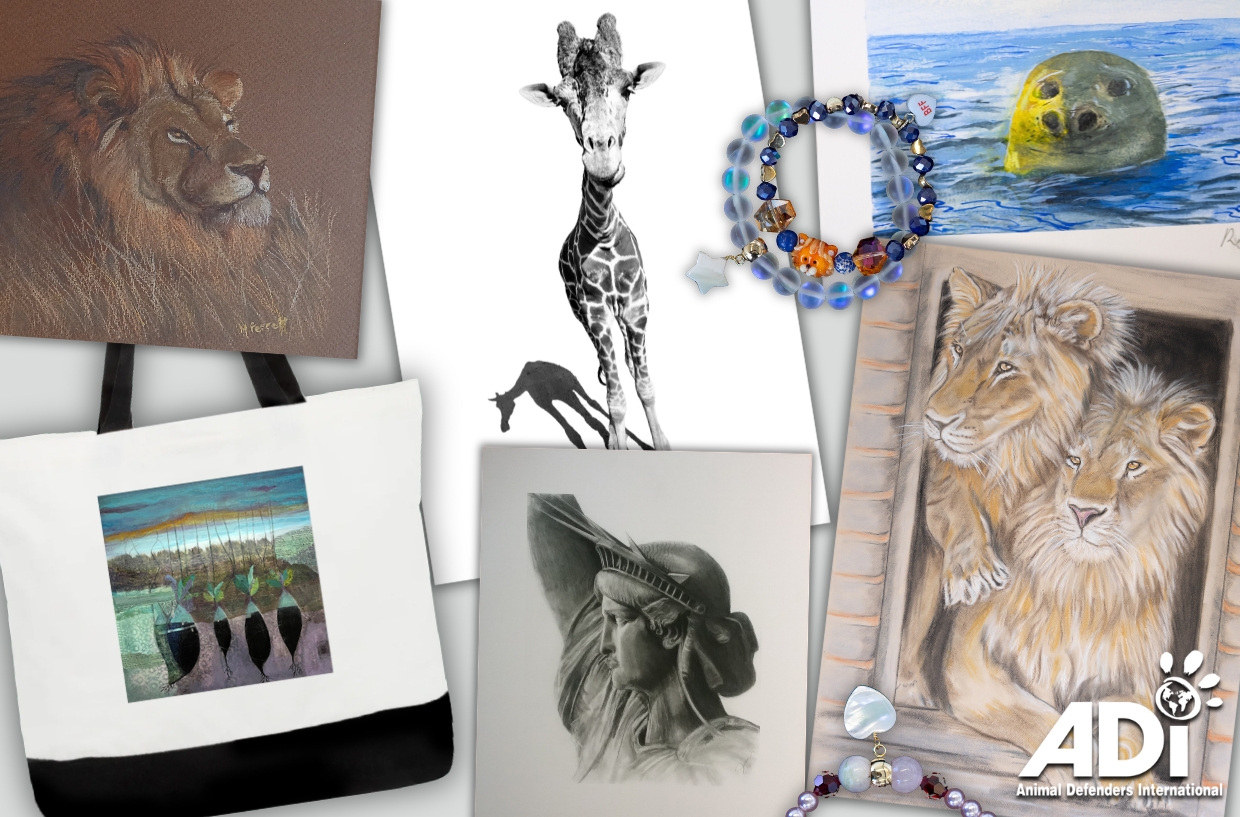
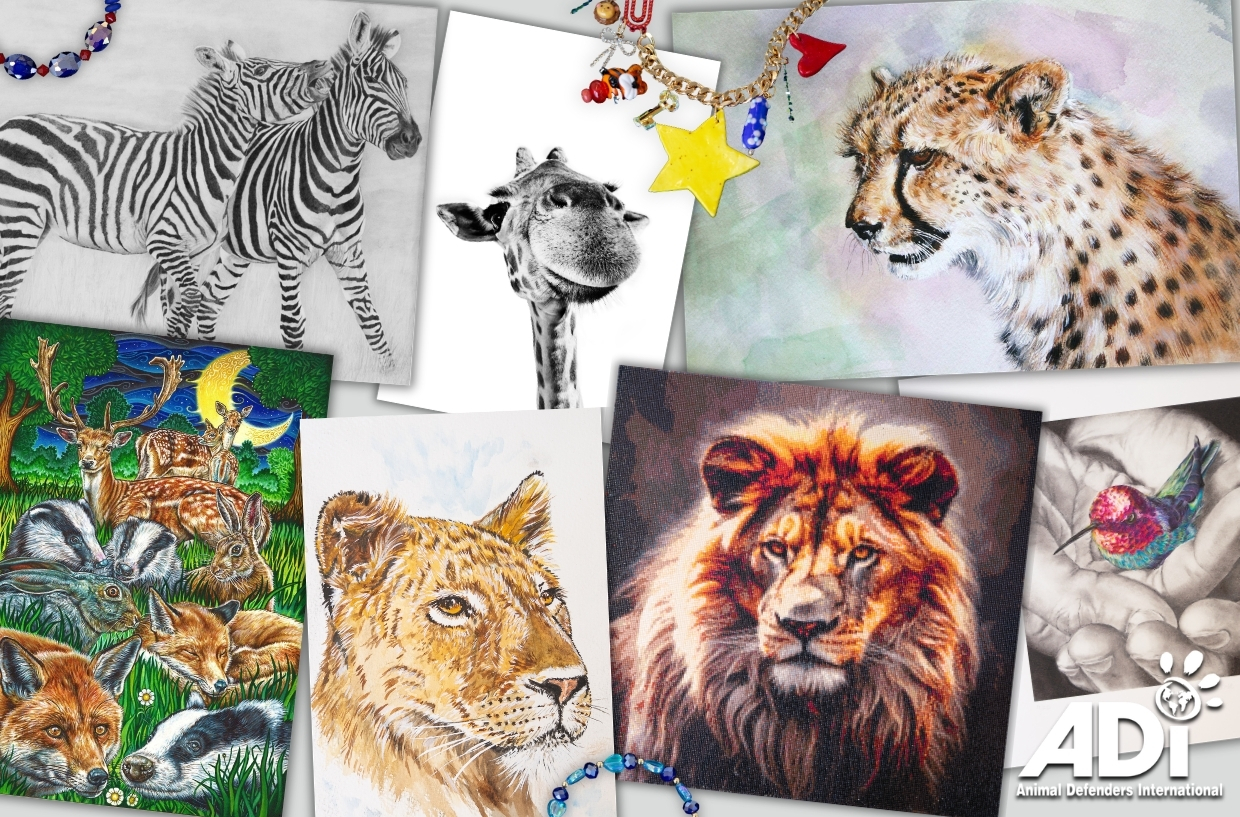
We have over 30 beautiful works of animal themed art, photographs, handmade jewelry, and more! Donated by supporters, all proceeds from this special 10-day online auction will support the ongoing care of our ADIWS residents.
Your bid will support the cost of food, enrichment, veterinary, daily care and operating costs for all ADIWS residents. The ADIWS team provides our rescued residents with lifetime care, but we need your help and hope you will place a bid, either for yourself, or as a gift for a friend or family member (the holiday season is coming up fast!)
Providing a peaceful, secure refuge, ADIWS provides abused animals with respect, loving kindness and space to roam, as close as possible to what nature intended. ADIWS is currently home to 35 lions and tigers, native antelope such as springbok and others, young owls and huge numbers of baby tortoises for wild release, as well as rescued horses, donkeys, goats, sheep, pigs, geese, cows, chickens, a peacock and other birds.
Help us provide our rescued residents life-long care!
Mark your calendar and please also share, to help make this our most successful ADI Auction for the animals! Remember, the auction, and bidding, will run from Friday, September 25 at 5:00pm UK / 12:00pm ET / 9:00am PT until Tuesday, October 6 at 8:00pm UK / 3:00pm ET / 12:00pm PT with winning bids notified automatically upon close of the auction.
You can check out all pieces ahead of the starting date and add your favorite pieces to your watchlist to get notifications on future bidshere.
If you have been following our Owl Watch series, you will have seen the baby owls being nursed, nurtured and finally learning to fly. Now, they have been released into the wild, and you can see the uplifting video below.
When we founded the ADI Wildlife Sanctuary in 2018, we were addressing the desperate need for homes for lions and tigers as ADI’s Stop Circus Suffering relentlessly closed down circuses around the world. Over the last 30 years, we have gone from zero to over 50 countries now, with either all animals, or wild animal circus bans. And so, our Sanctuary grew. However, we never imagined just how many different animals would then need ADI as a lifeline, in a region where safe havens for animals are in short supply.
ADI is now there to help enforce South Africa’s anti-cruelty laws, enabling animals like horses, donkeys, cows, sheep, chickens, geese, and more to be seized from abuse and neglect. Over 100 tortoises have been seized from traffickers and found a home with us, and we have provided safety, veterinary care and nursed back to health, those injured and saved from hunters, like antelope.
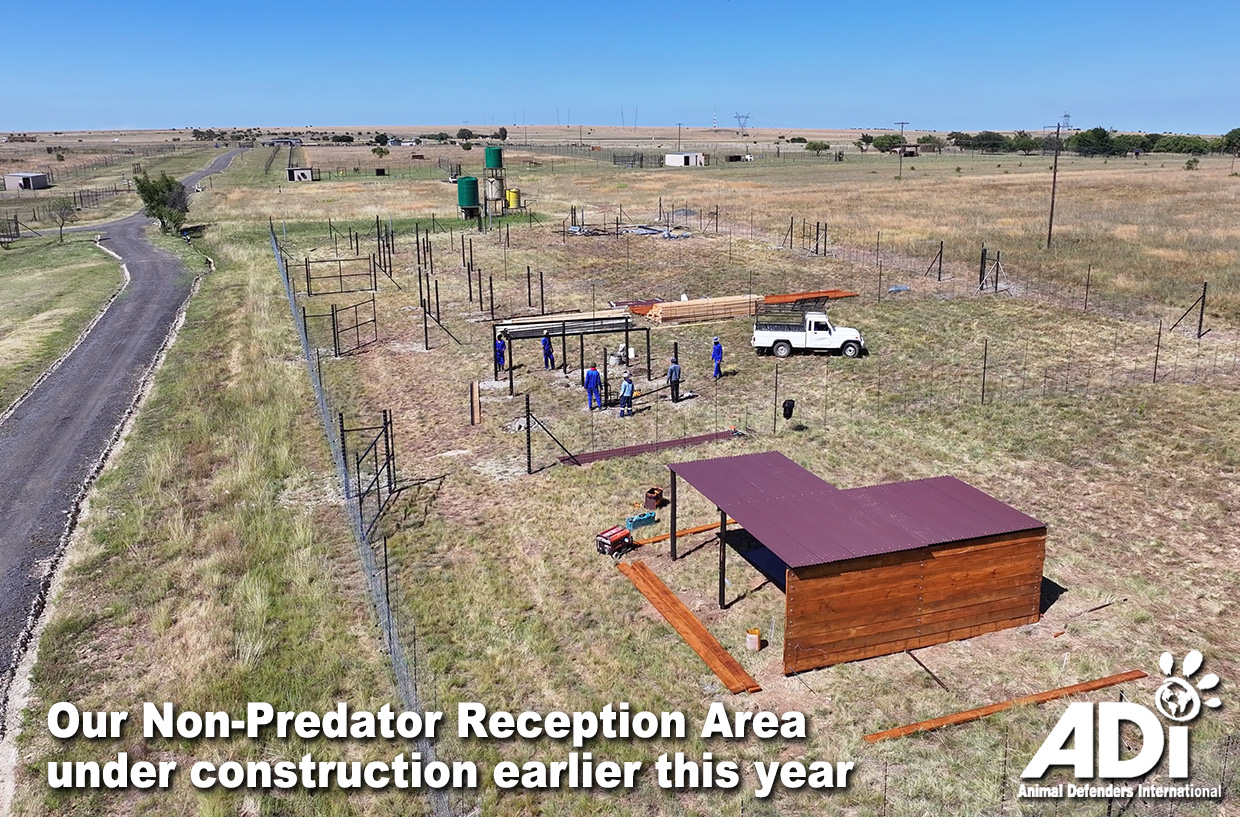
Earlier this year, I called for your help for a new structure, a ‘Non-Predator Reception Area’ (NPRA), with paddocks, stables, pig and tortoise housing and enclosures where we could care for any species as they arrived. With the support of a matching grant from one of our wonderful ADIWS Founders, you have all made it possible.
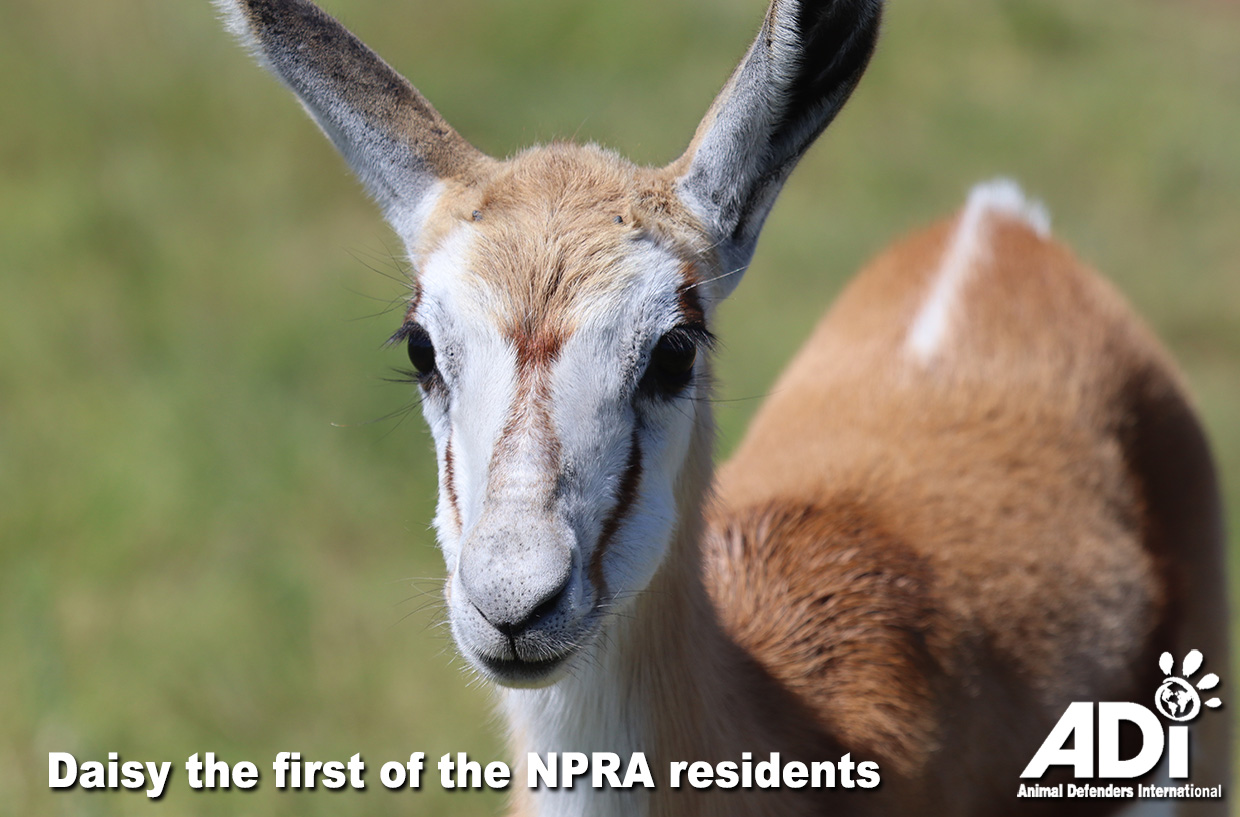
The first animals to move into the new facility, were the delightful springboks, Percy and Daisy, who had been found severely injured in a ditch; we are building their health and strength to be released to roam free across the Sanctuary. This is now the hub for caring for all of the animals at the Sanctuary, aside from the lions and tigers – pigs, goats, sheep, cows, horses, donkeys, and the addition of a small heated house is now a safe home for almost 100 baby tortoises seized from traffickers, who can join our wild tortoises on the property.
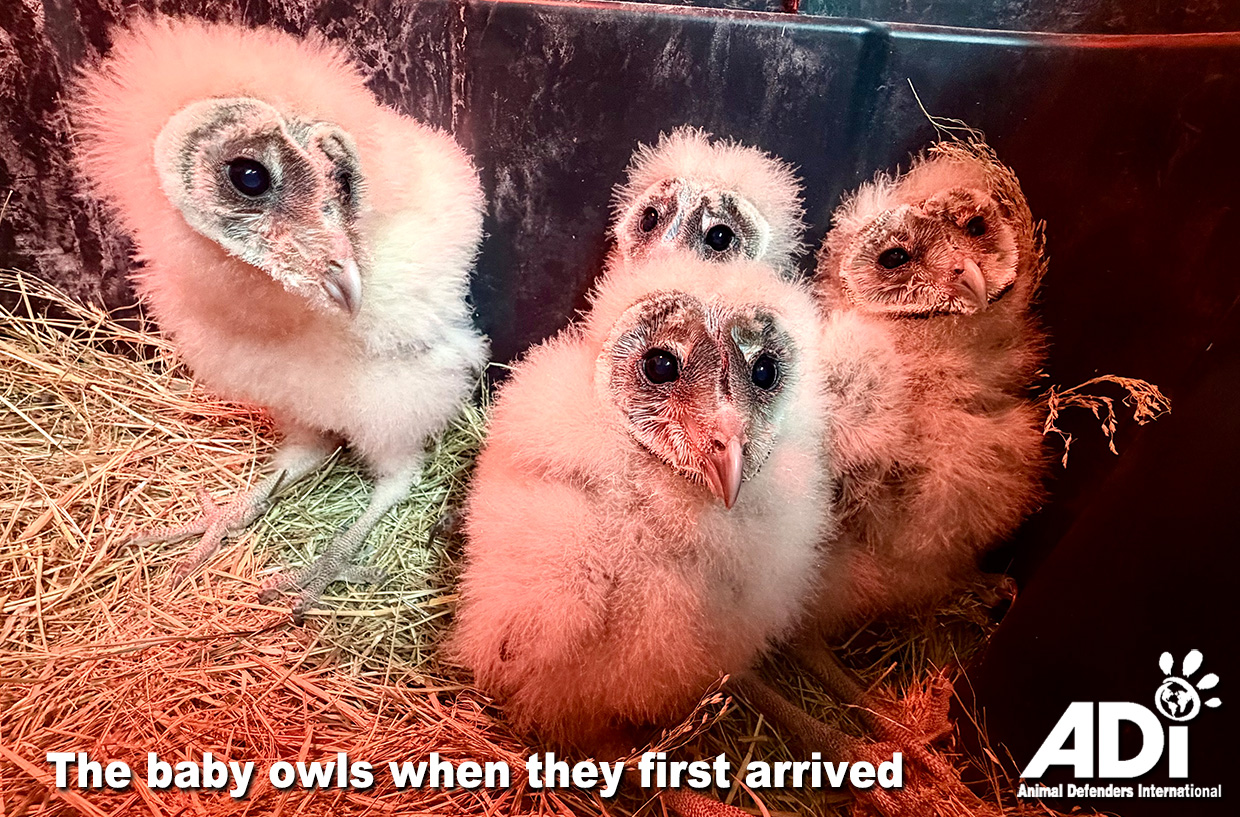
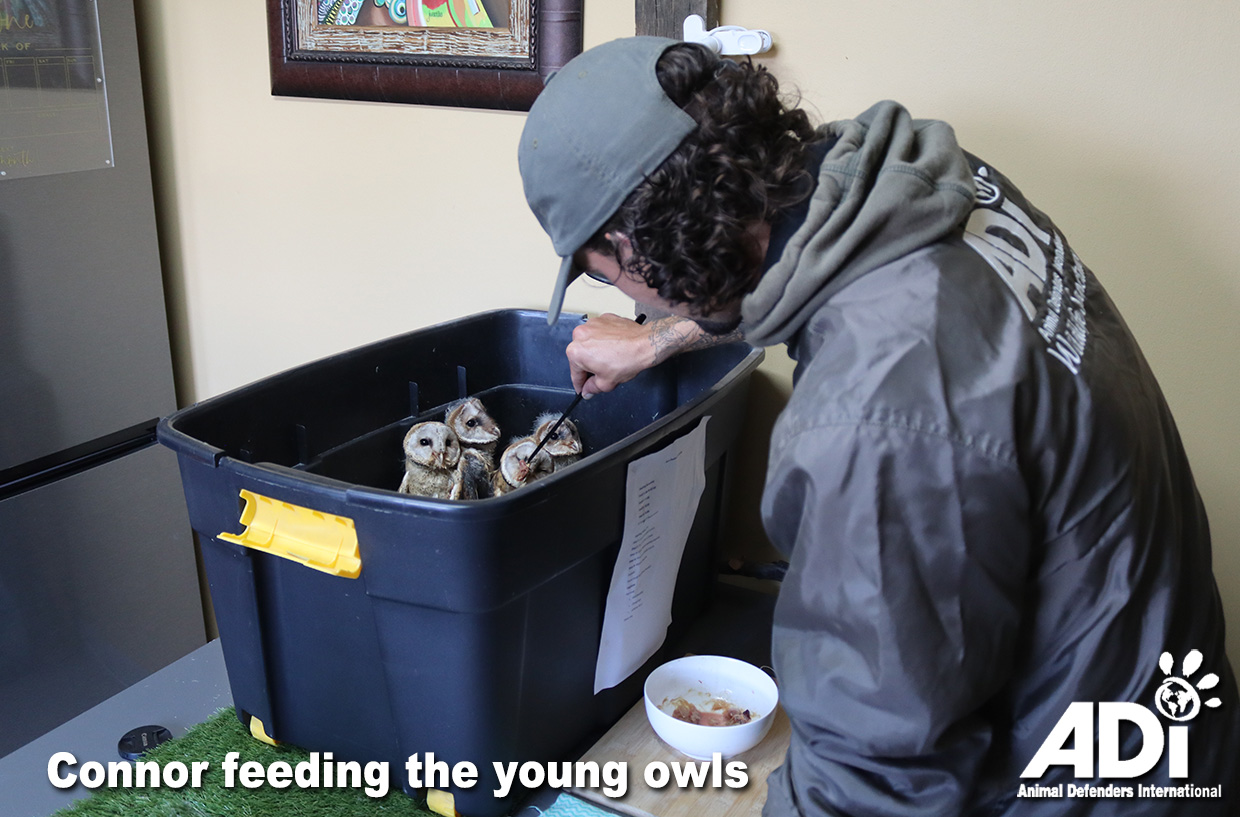
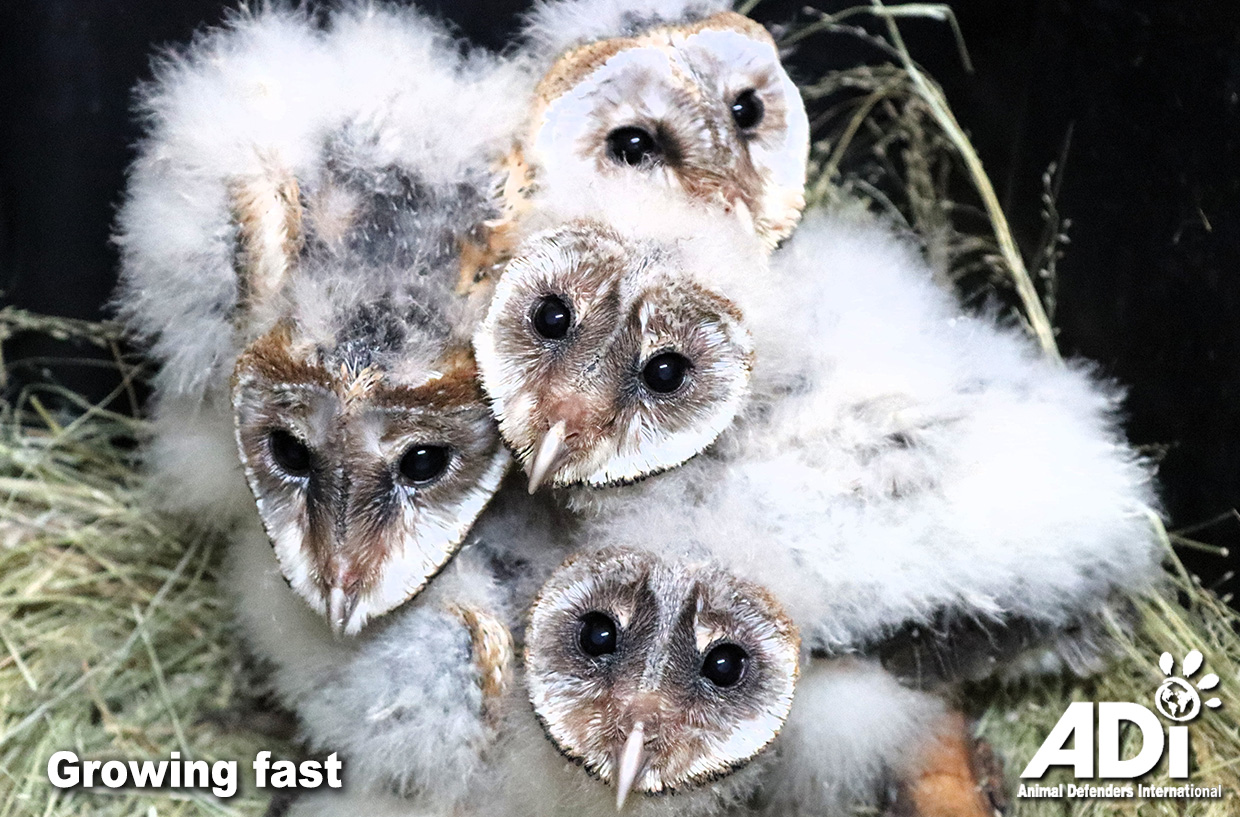
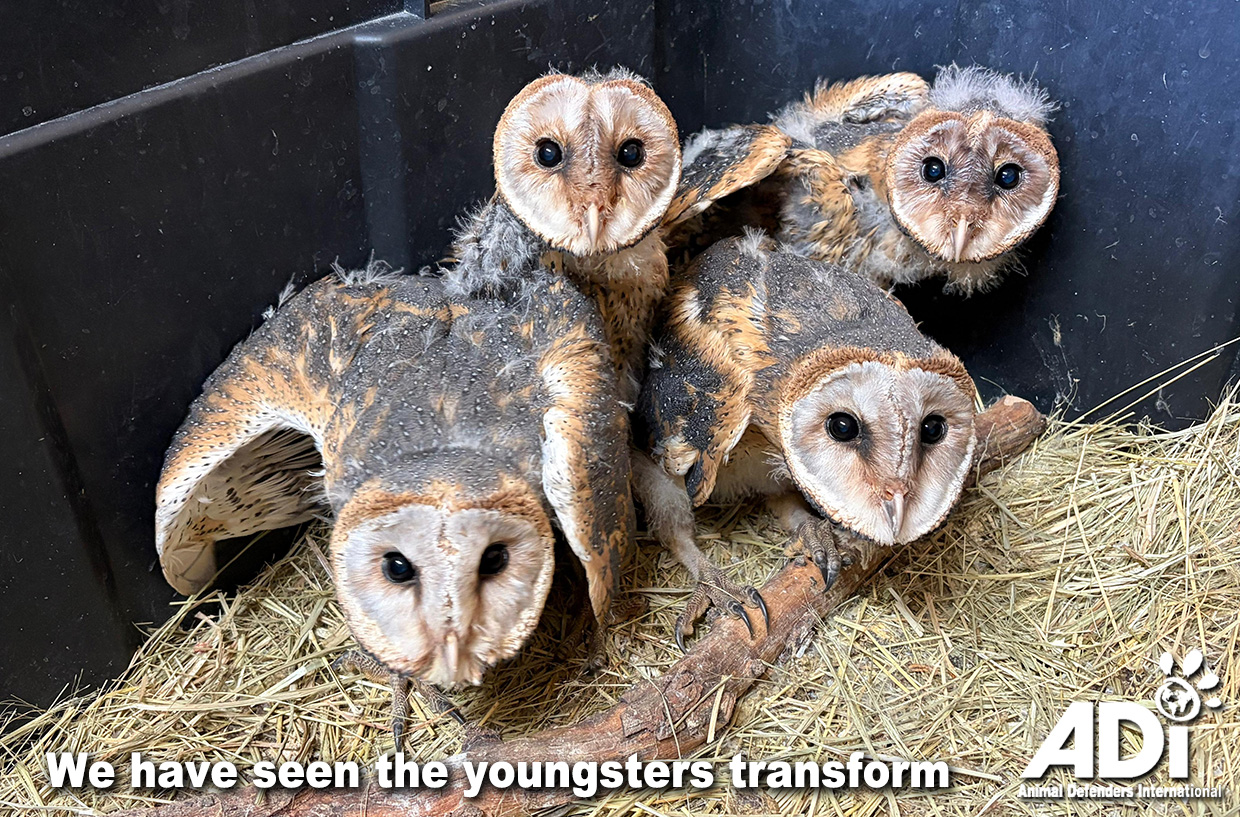
Three months ago, we got a call from a local farmer saying four owl chicks had fallen from their nest on top of a silo and the parents had not been seen for a week. Brent, our Wildlife & Education Director, picked up the owls and initially, moved them into his kitchen where he and his team fed them with tweezers.
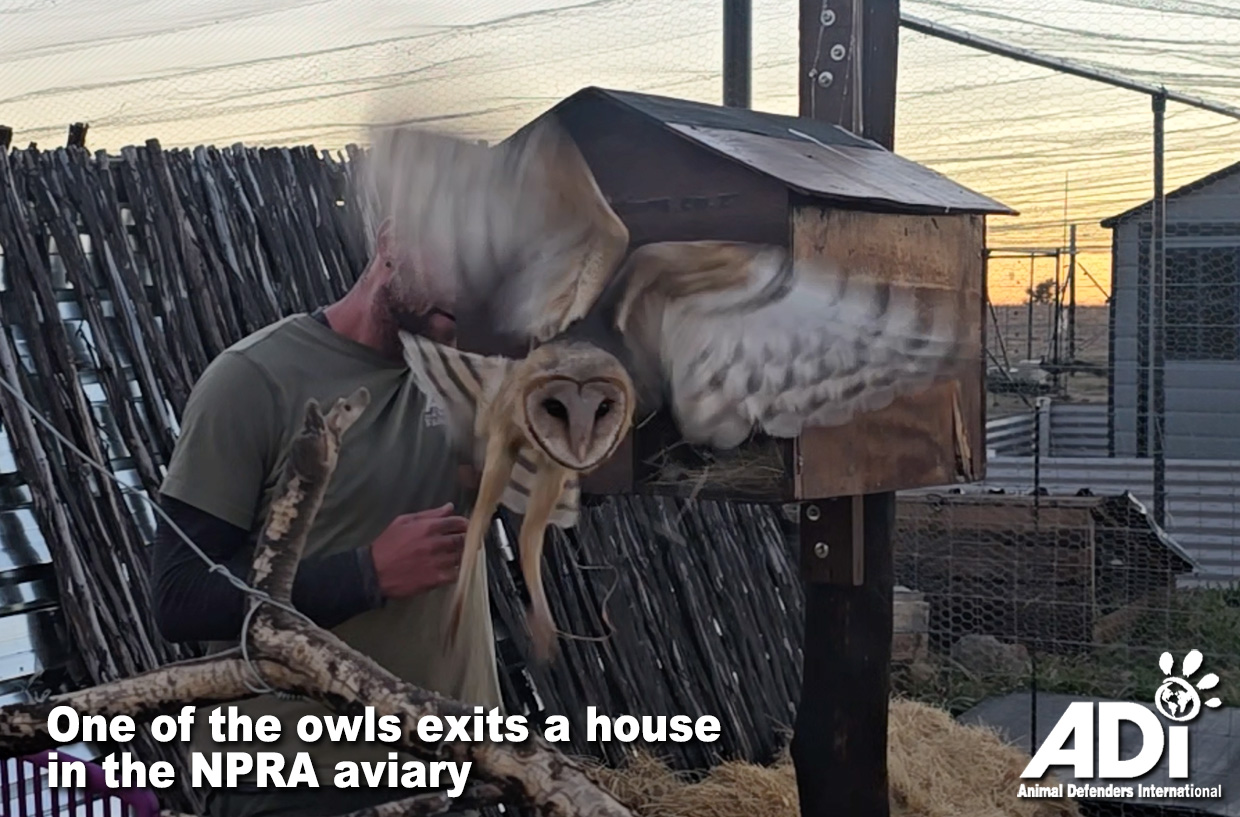
The rehabilitation was as hand-off as possible, keeping human contact to a minimum. As they grew, we moved them to an aviary section of the NPRA and here, the magic really began! I will never forget standing in the aviary at sunset a few weeks ago, as the owls woke up and came out to start flying, with the lions roaring in the background. A perfect moment in ADI’s holistic efforts to help all animals in need.
On social media, ADI supporters voted to name our young owls. ‘Grant’ was named in memory of ADI supporter Karin Grant who passed away recently. We think this young owl, the first to fly from the aviary into the sunset and a new life this week, is a beautiful tribute to someone who helped ensure a life for these young owls and other animals at ADIWS. The other owls were given Sesotho (the language of our region of South Africa) names: Neo (meaning “Gift”), Tshepo (“Hope”) and Lesedi (“Light”).
Neo and Tshepo quickly flew after Grant. However, Lesedi appears to be a little behind in his development, and we believe was injured in the fall from the nest at the top of the silo; he is flying, but not very well yet. The veterinarian is monitoring him, and if he cannot fly properly, Lesedi will have a lifetime home in the ADIWS aviary and will be able to communicate with his siblings.
WATCH AS THEY FLY FREE – enjoy this short heartwarming video, symbolising so much of what we try to do together.
You have helped us to continually expand ADI’s vision and scope to help even more animals; our Sanctuary will provide an education centre (planned construction next year) where schools can bring students to learn about other species, their intelligence, emotions, communications and hopefully engender respect for those who don’t look like us, live like us, or communicate in the same way and ultimately, want to care and protect our fellow earthlings.
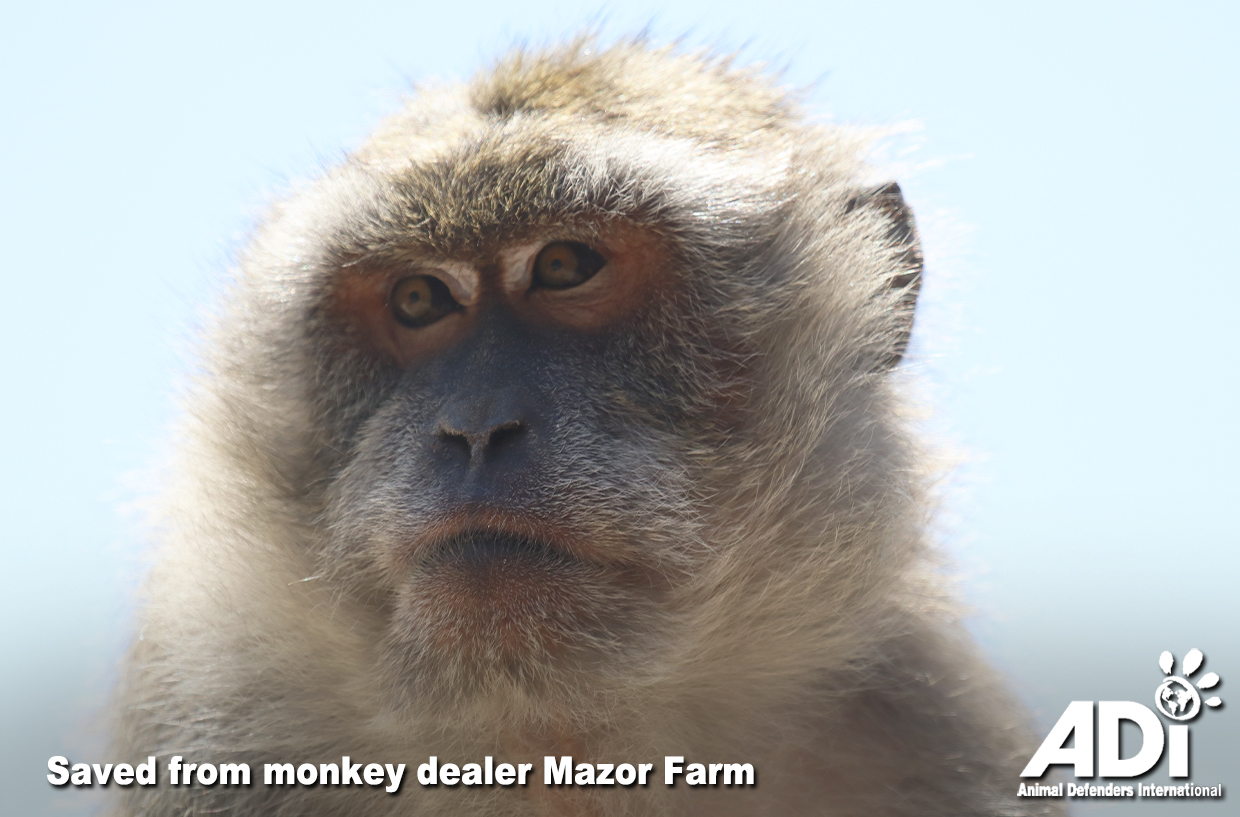
When we were recently in Israel to bring lion pet trade survivors BenTzur and Ori to the ADI Wildlife Sanctuary, Tim and I took time out to visit some of the survivors of the notorious laboratory monkey dealer Mazor Farm, which closed in 2015, who are now safe at the Israeli Primate Sanctuary Foundation.
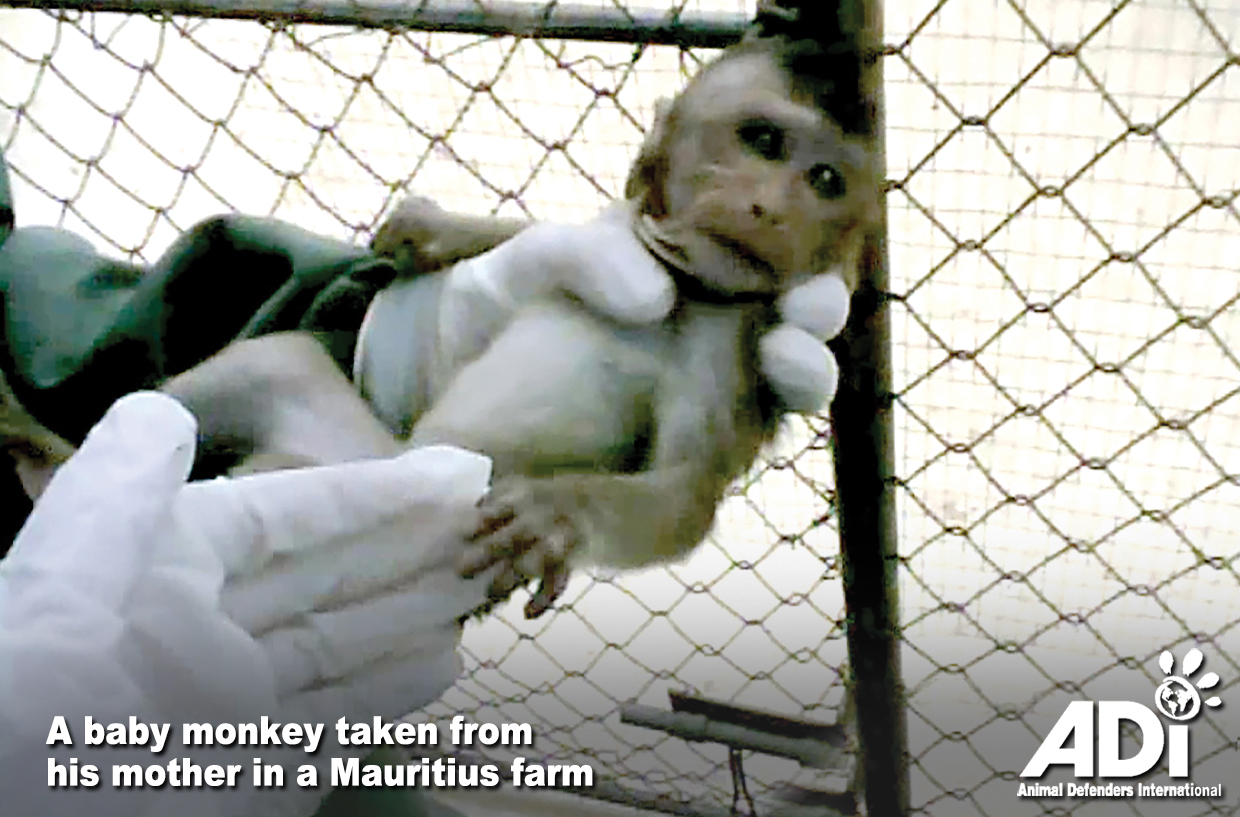
It brought back to us our long history with the dealer; we paid Mazor a visit many years ago, and in 2010, we negotiated with a Swedish laboratory for the release of three monkeys (Betty, Boo, and Baloo), which had been supplied by Mazor Farm. Our undercover investigations on Mauritius exposed the brutal factory farms sending monkeys to Mazor, in Israel and we launched campaigns with the airlines about shipping these, and other monkeys, to laboratories around the world.
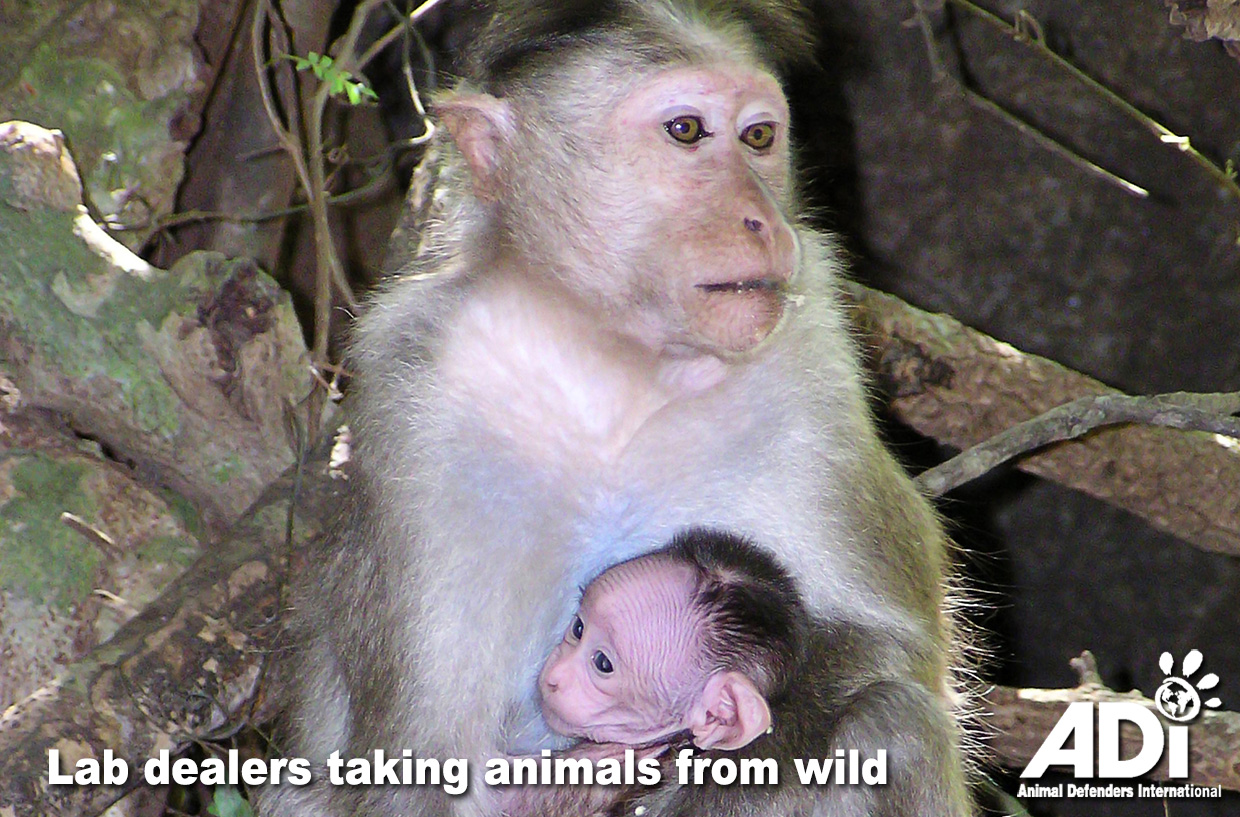
We found it very emotional, seeing these (now elderly) ladies, who had been snatched from the wild in Mauritius and sent 4,000 miles to be used as breeding machines, repeatedly giving birth only to have their infants ripped from them and sent to international laboratories – until Israel finally ended the export of monkeys to labs.
Like all of these rescued animals, they can never go home, but they are living in groups and their twilight years will be ones of peace and kindness after the Israeli Primate Sanctuary Foundation picked up the pieces, to care for over a thousand monkeys stranded in Israel due to the vivisection industry.
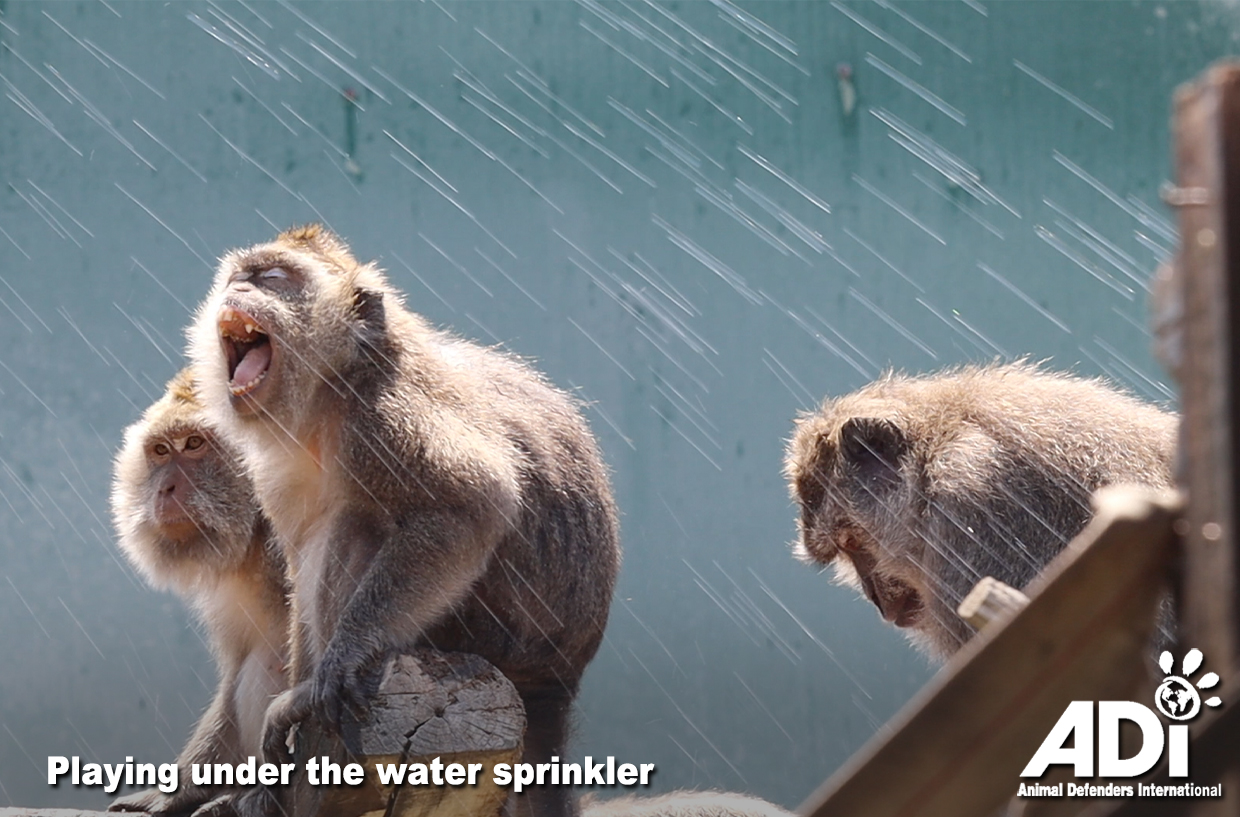
The Mazor Farm survivors sitting in the sunshine and playing in the water sprays in the habitat reminds us that progress can, and is, being made but also there is also still so much to do.
Tuesday 1st September is International Primate Day, founded by ADI in 2005 to ensure that nobody ever forgets the suffering, the threats and abuses, faced by our closest relatives in the animal kingdom, emotional, intelligent, communicative with a love for their family – traded as pets, children taken away, forced to perform in circuses, zoos and other entertainment, in terror and suffering in laboratories.
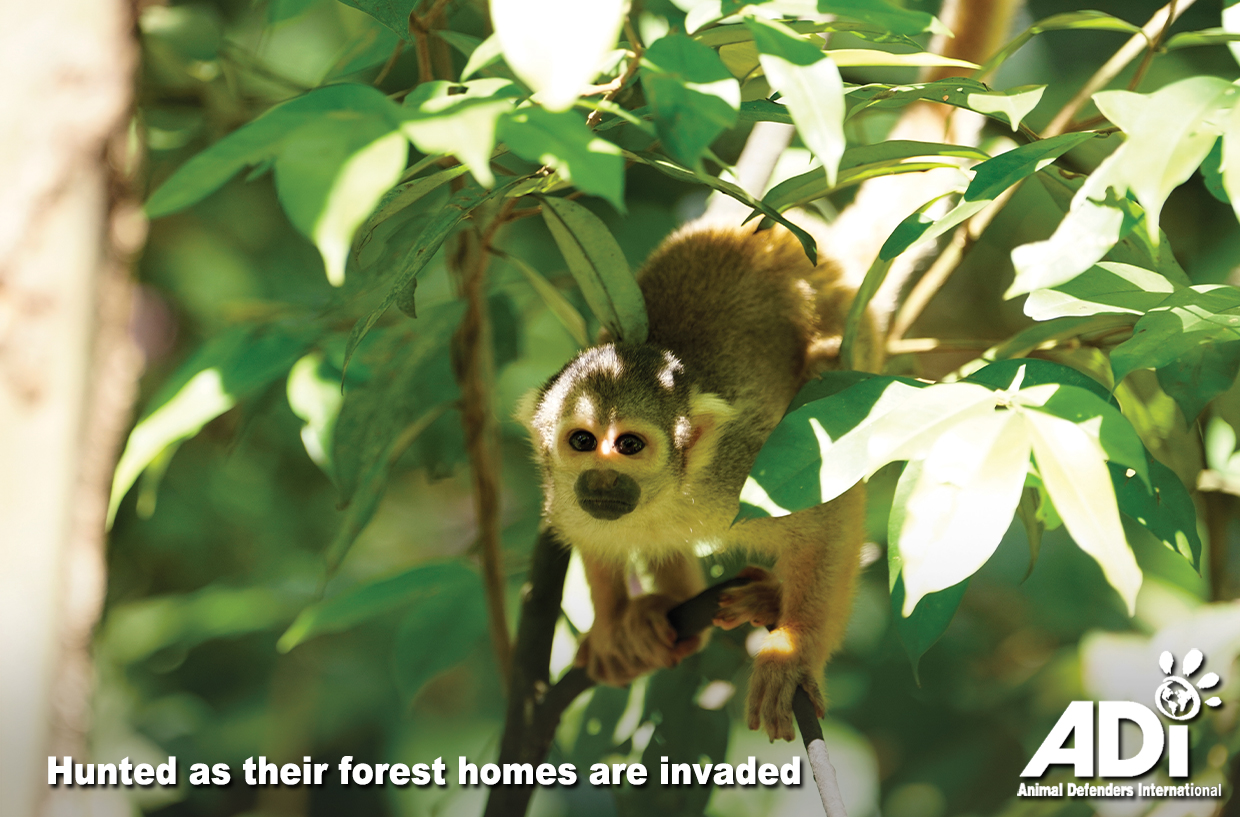
Animals of all species, once living safe deep in the world’s wilderness are increasing threatened by human encroachment. Primates all over the world are losing their homes and their lives as more and more habitat is stripped away.
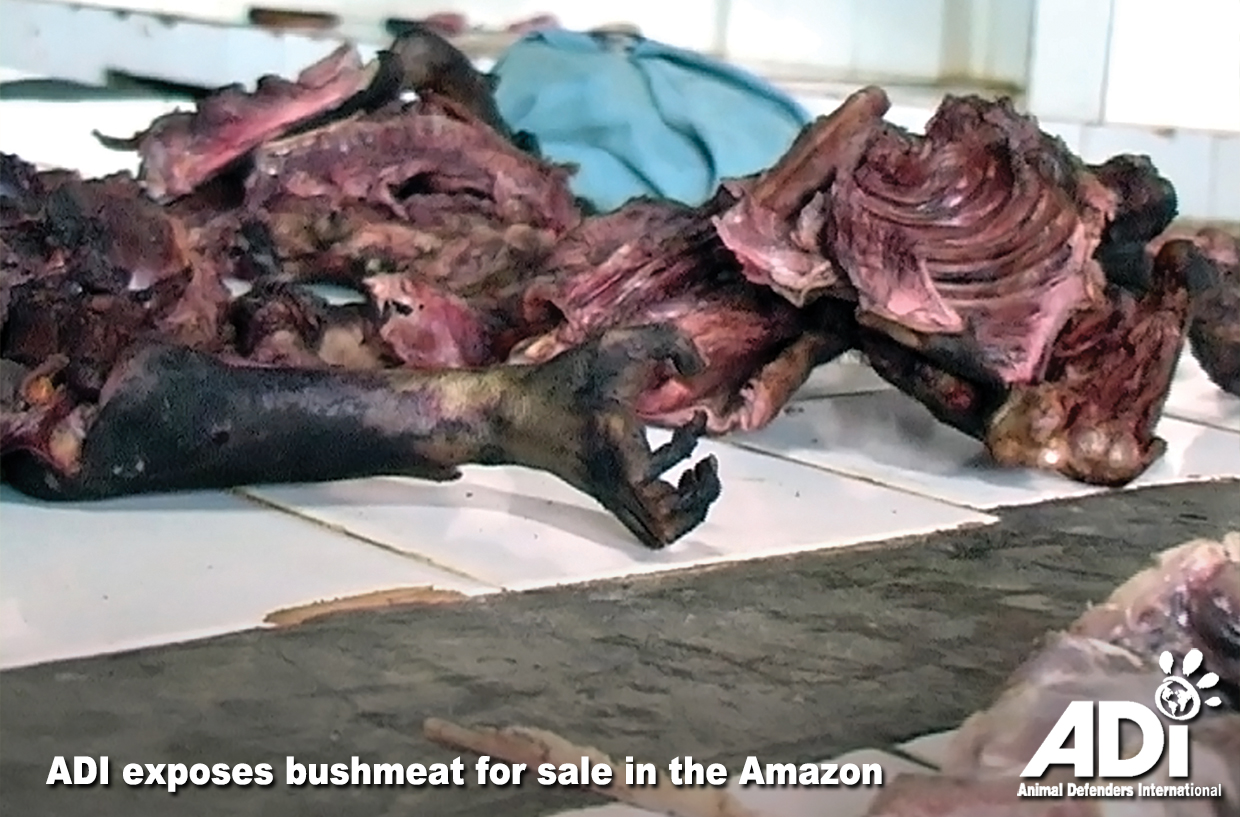
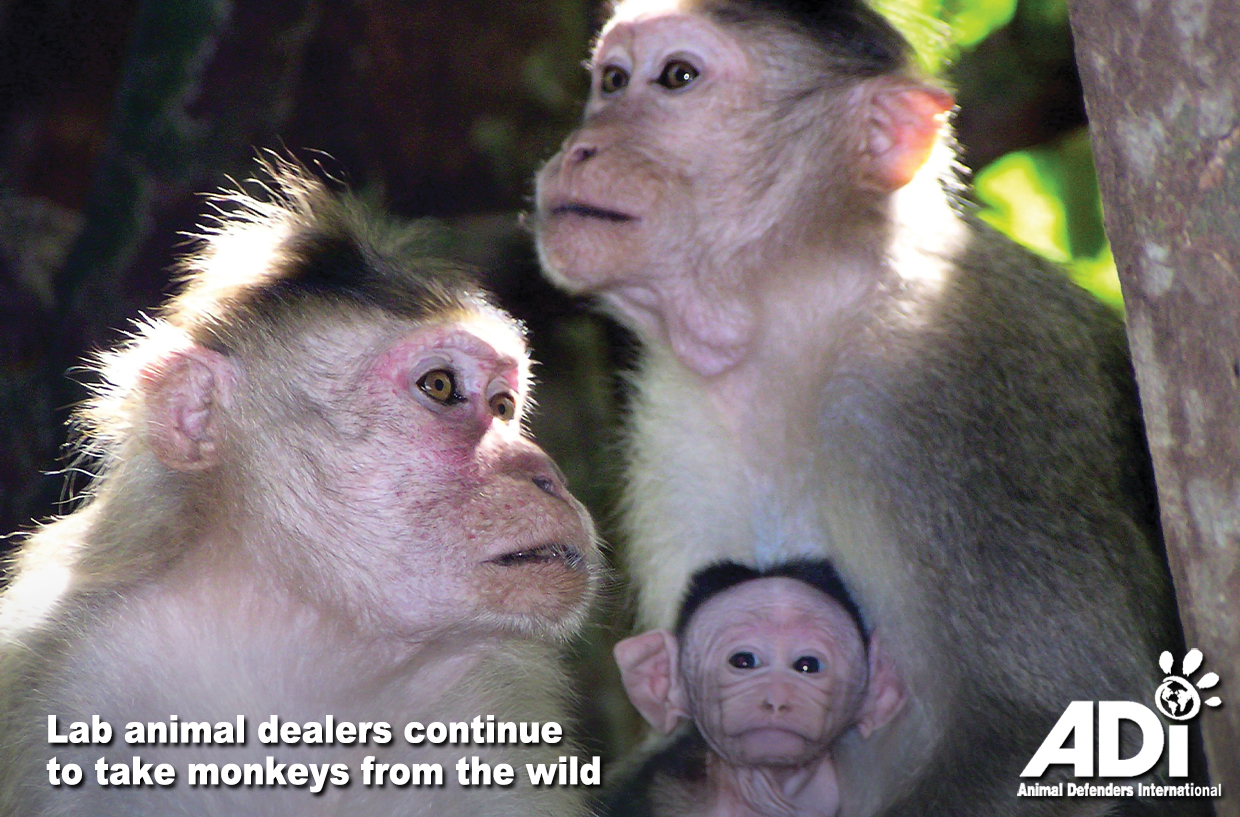
As roads are built deep into the forest for logging, mining, or to search for oil or rare earth minerals, human populations follow, pushing deeper into the forest. Monkeys are hunted for bushmeat, their babies taken to feed the pet trade, laboratories, circuses and other entertainment.
Forests and wild spaces are vital in the battle against climate change, they are the lungs of the earth, the best way to trap carbon emissions, they impact the whole planetary system. While protecting forests and habitats on the other side of the world may seem distant sometimes, they provide the air we breathe and we can all support the drive towards sustainable energy and supporting planetary systems.
We can all speak out against the denial of facts, against putting our heads in the sand and hoping. Our planet’s weather and water systems are now showing evidence that the pollution pumped into the atmosphere by a huge human population is now changing our weather and the earth’s ability to sustain us all. We can all say “no” as governments strip away the limited environmental protections there are. The natural world, like many things, is much harder to fix once it is broken, so let’s protect what we have.
From forest to concrete jungle
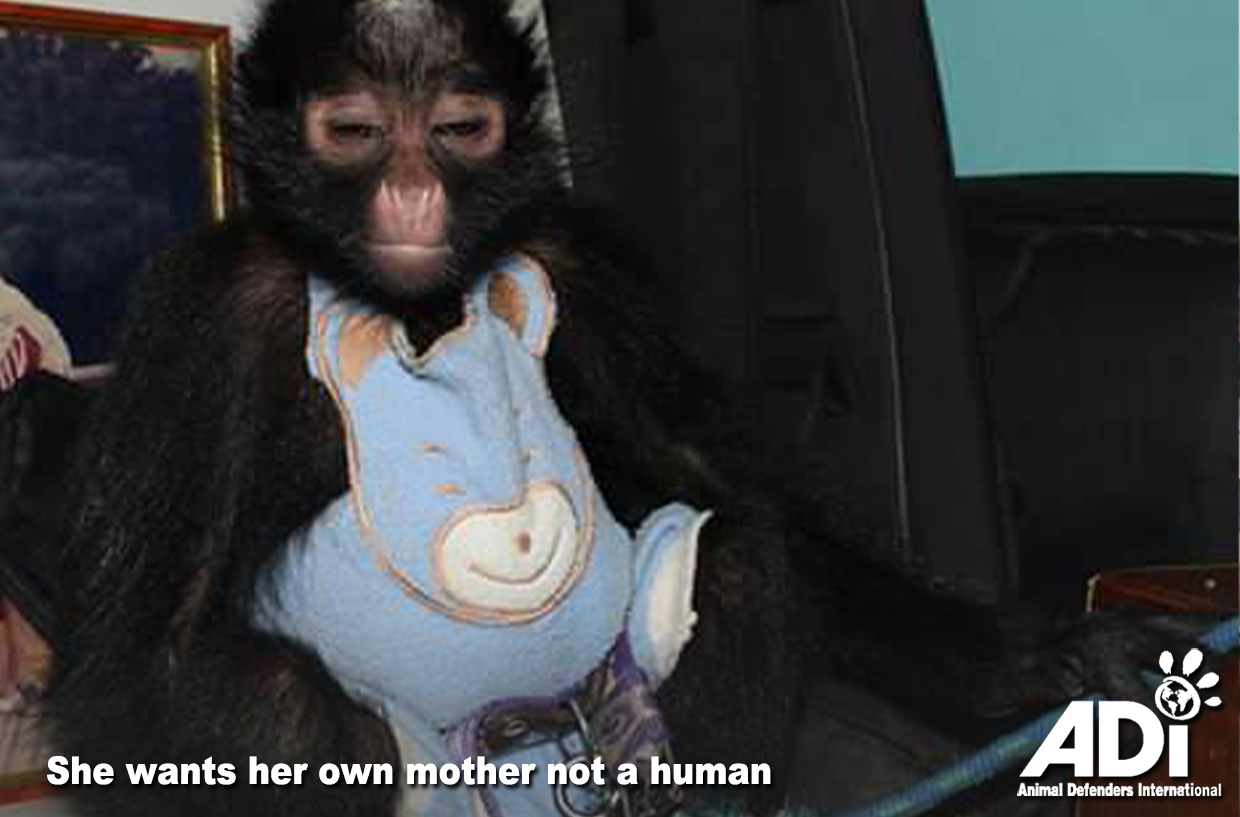
Primates are highly intelligent, emotional and social earthlings who love their families and suffer terribly in barren conditions and when isolated from their own kind. To feed the desire to have monkey in the house, like toys, trappers will often kill mothers to take the young as they cling to her dying body.
They take them young to force them into dependency on their human captors. Owners may dress them as human infants. It is not love when somebody forces a baby monkey to be kissed, it is abuse, it is cruelty to a frightened, lonely baby who just wants their own mother.
Even the smallest of monkeys grow into surprisingly strong and fast juveniles and adults, as their genes have developed for a life in the forest, feeding themselves on leaves, fruits, nuts and other natural foods, and living their best life. Because their teeth can hurt, even when they don’t mean to, they are removed or snapped off, with no concern for the pain and suffering this causes.
Nature provides natural barriers. The pandemic highlighted the consequences of bringing together species that would not normally meet in the wild, creating an unexpected viral cocktail and a new disease. Sending animals across the world for commercial trade opens the door to animals that aren’t indigenous to the new country posing a threat to native wildlife, if they escape.
From huge snakes in the Florida Everglades to grey squirrels pushing red squirrels to the brink of extinction in the UK, the exotic pet trade is repeatedly responsible for introduction of species where they should not be. Yet it continues, just to allow someone to selfishly buy a new toy or status symbol, ignoring the risks to the environment should they escape, and the suffering to the animal stolen from their home and their right to live free.
In April, the UK Government finally introduced licences/ licenses to regulate private ownership of primates but has failed to plan a systematic phase out of the industry. The British climate is unsuitable for primates, they can never be comfortable, there are health and safety issues with contact with humans, and no conservation or welfare benefits for the animals. Why not bring this to an end?
Social media is causing a hugely damaging spike in ‘trophy pets’ like lions, tigers, and many other exotic animals not suited for living with humans, all being used for social media by attention seekers. This problem is likely to get worse and so governments need to act, decisively, and quickly.
Our Stop Circus Suffering campaign has seen wild animal acts in circuses banned in over 50 countries, but it is still legal in many countries – including the United States.
Primates suffer especially in circuses, where they spend their lives kept in small boxes and are chained by the neck or around the waist, to pose for photos. A life of complete misery for these intelligent, communicative animals who normally live in large family groups, in a varied, interesting environment.
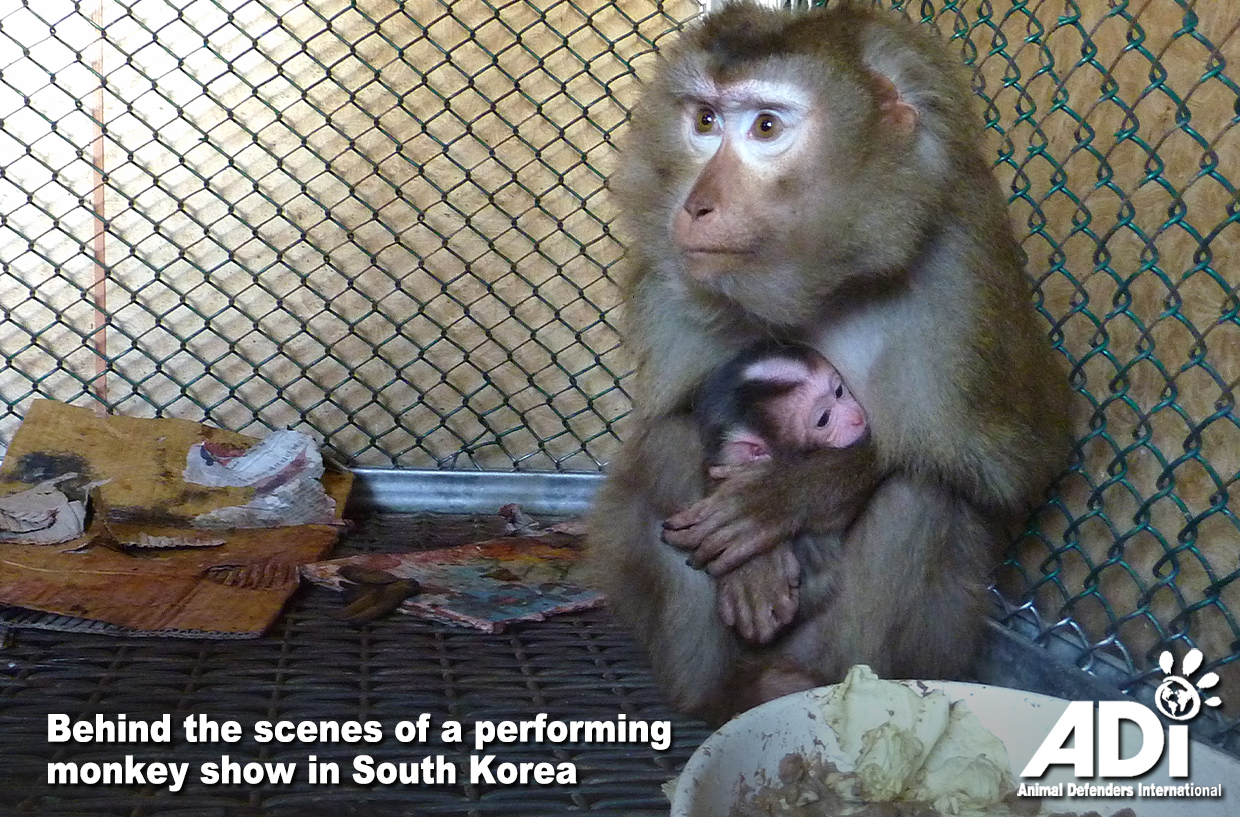
Training is brutal. For example, our undercover investigation of the Korean monkey school showed how macaque monkeys are taught to walk on their hind legs; their hands were tied behind their backs, they repeatedly fell on their faces, unable to protect themselves, or get up to balance themselves. Eventually, they walked upright on command, dressed as humans to entertain the public. What a travesty.
During an investigation by ADI in a UK supplier, a trainer pinned down a mandrill and pushed a prolapsed rectum back into the screaming animal, saying it often happened when making the primates walk on their hind legs.
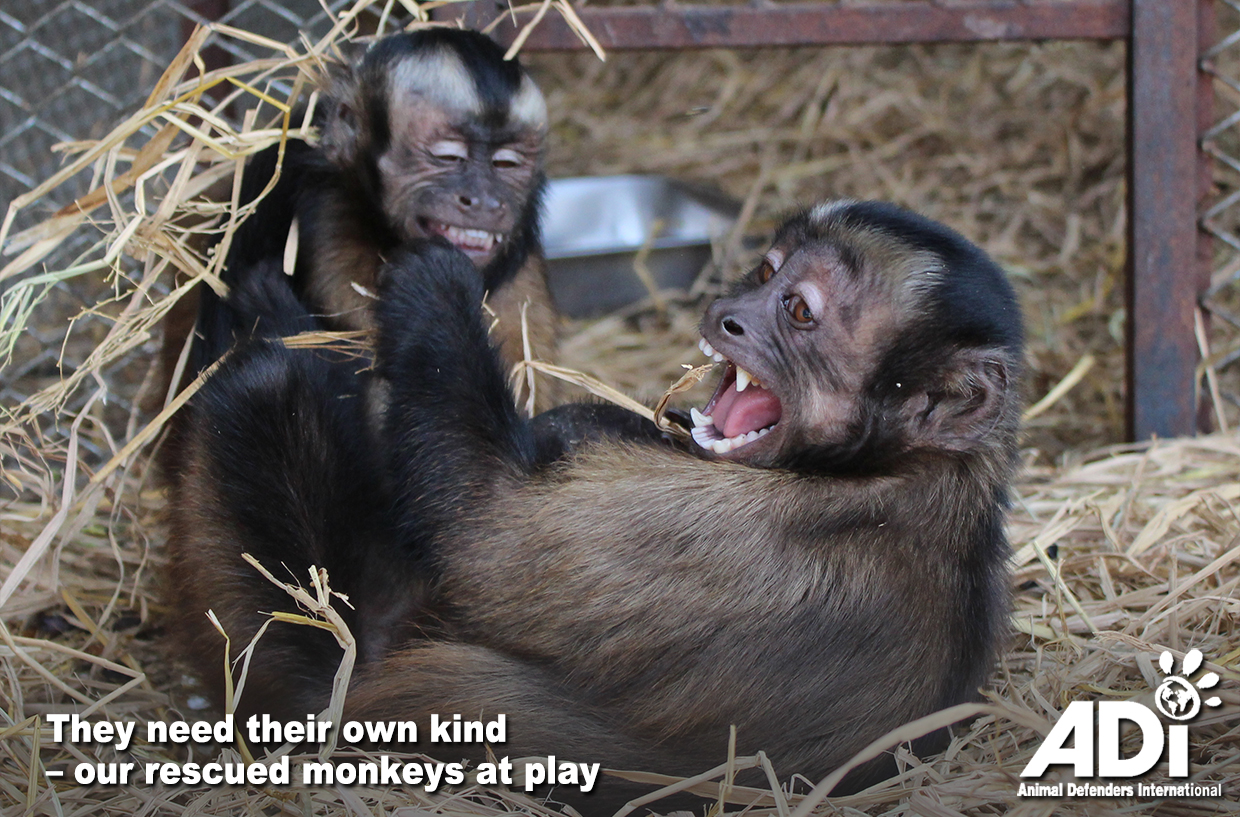
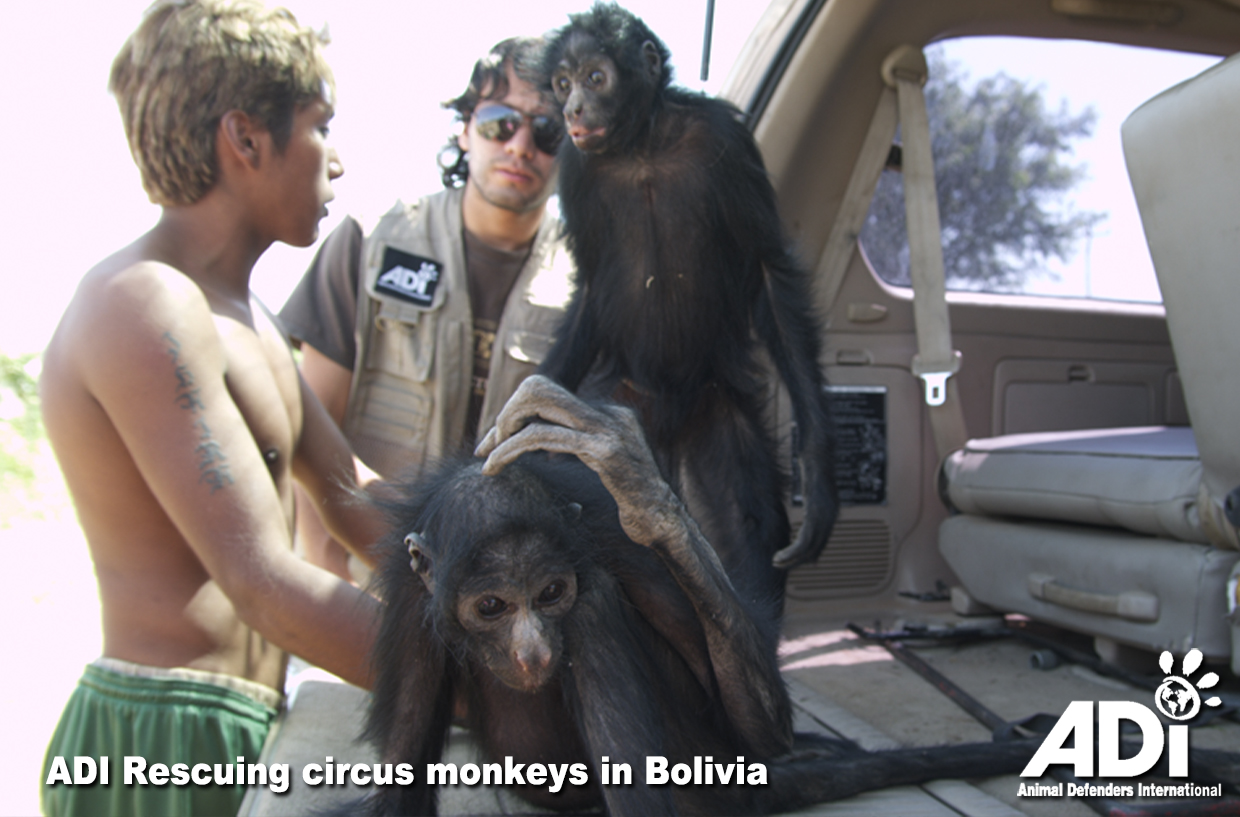
During ADI’s Operation in Spirit of Freedom to empty Peru’s circuses of animals, we rescued over 40 monkeys. Burned into our memories are some of the most heartbreaking and moving moments, when we reintroduced lonely animals to their own kind, their joy and being with someone who understood them, was unforgettable. Some, like Pepe, had lived his entire life chained, alone, in a circus.
Right now, in the US, a despicable ‘show’ called ‘Banana Derby’ is appearing at fairs around the country. Capuchin monkeys are strapped onto dogs’ backs like jockeys, as the dogs race around makeshift tracks, throwing the terrified monkeys from side to side. Between races the poor monkeys are passed from person to person, who pay to be photographed with them.
Please contact your Congress members and urge their support for the Captive Primate Safety Act, find out more here.
Primates in laboratories – the ultimate betrayal
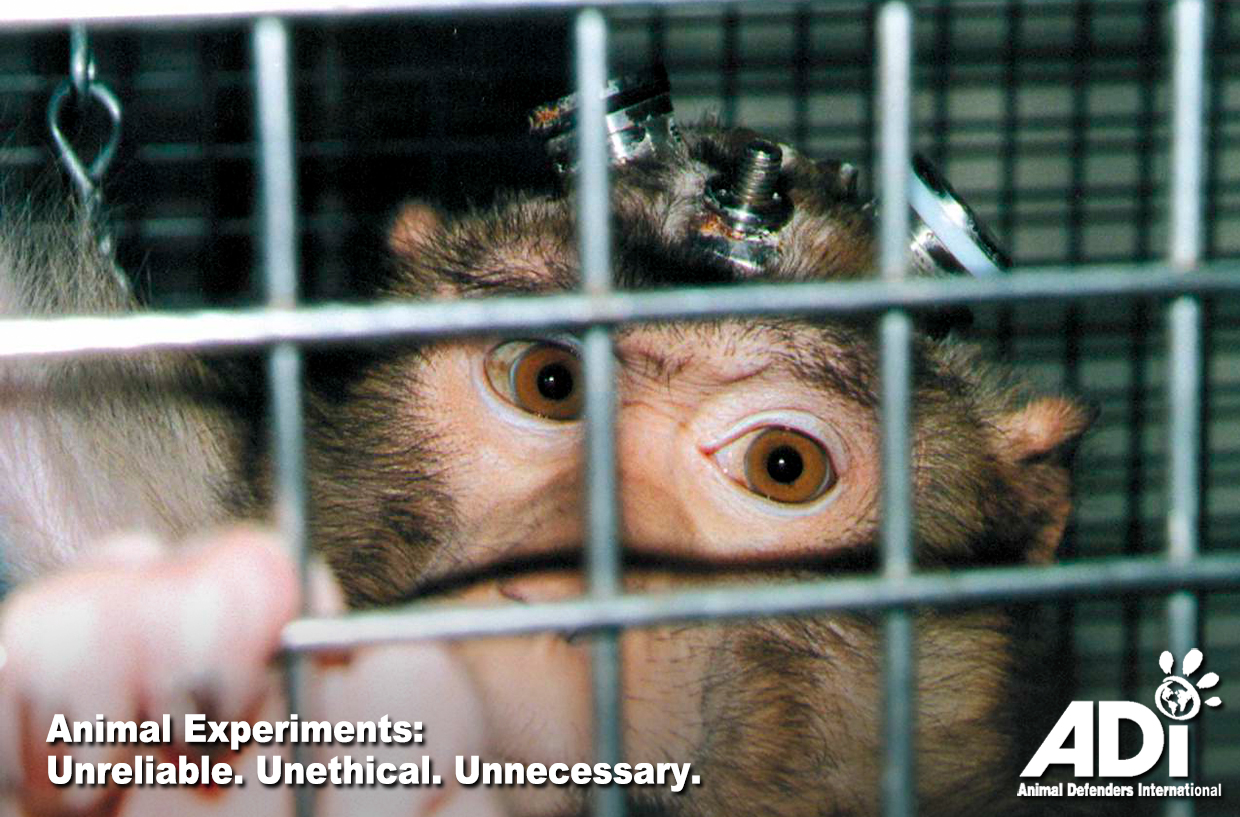
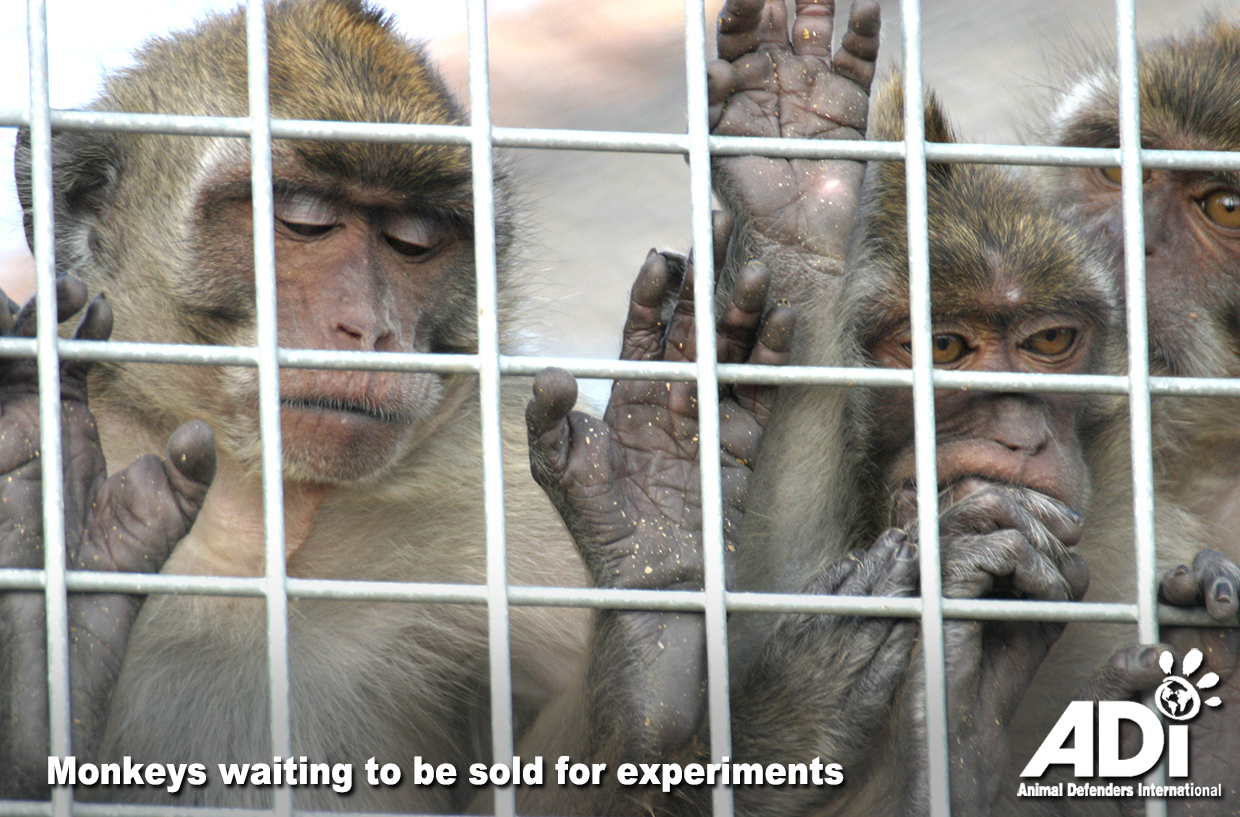
Monkeys in laboratories face the most terrifying ordeals – strapped down, force fed or injected with drugs, metal probes fixed into their brains, deliberately infected with disease. Intelligent like us, emotional, experiencing fear, anxiety, loneliness, distress. What makes this even more tragic is that due to species differences, the results can never be trusted and those that demand the tests know it.
At the height of the global COVID-19 pandemic, the International Coalition of Medicines Regulatory Authorities (ICMRA), decided they needed to speed up vaccine development, so they cut requirements for animal tests for efficacy (effectiveness) before going to human trials. Decided they could skip them. Yet an estimated million animals die in such tests every year.
Despite the ICMRA ruling, Oxford University tested its vaccine for efficacy in monkeys. The vaccine failed to stop the virus in monkeys, so that was ignored, and human trials expanded. The vaccine was given to millions of people.
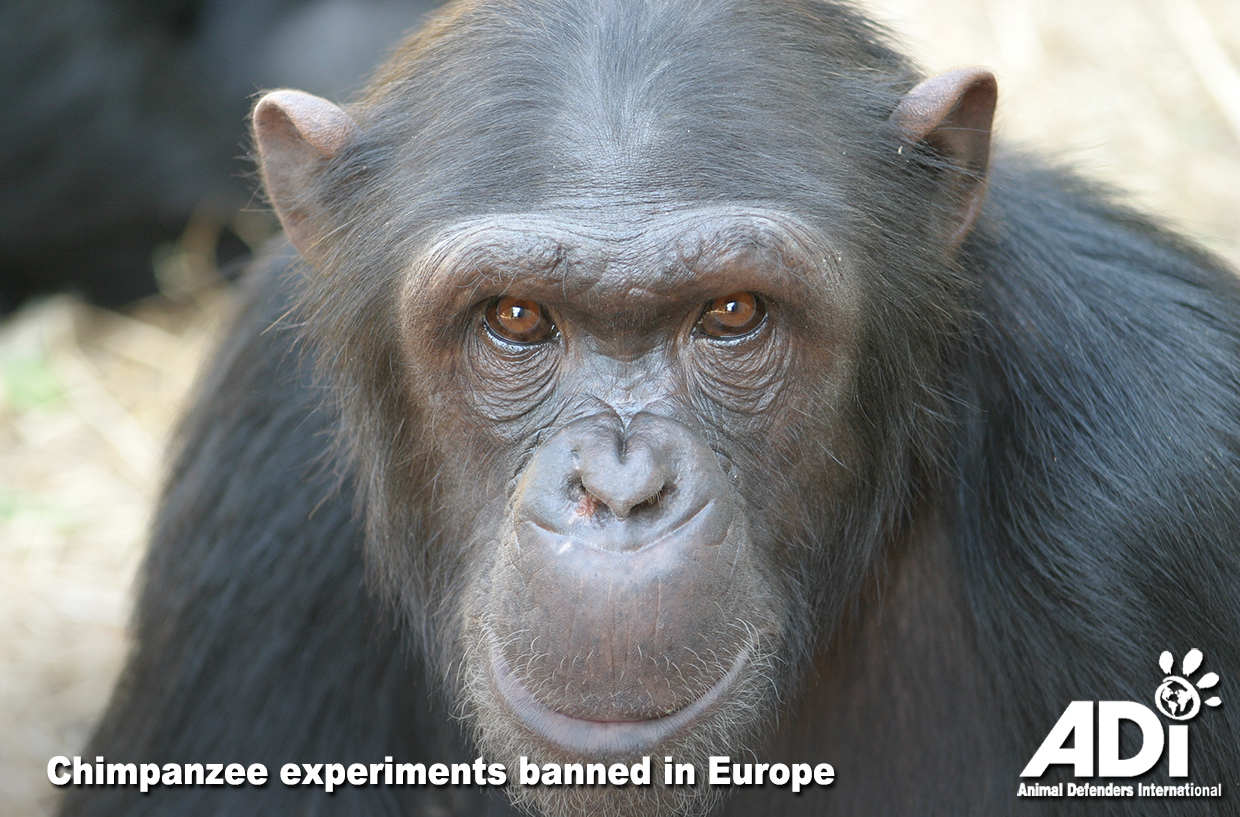
We can change this. We have made some progress: We secured a ban on use of chimpanzees and wild caught monkeys across Europe. We secured a commitment to phase out the use of ‘F1’ primates in laboratories (those born of wild parents), like the Mazor monkeys I mentioned earlier. Good news, but….we must be vigilant.
Shockingly, 16 years after the F1 Phaseout was passed, government figures reveal how in 2025, almost half of the monkeys used in UK labs, 859, (47%) were F1 – almost doubling the number in the previous year. Monkey dealers in Asia and Mauritius are continuing to stock their factory farms with wild caught monkeys.
This is why we must NEVER, EVER GIVE UP:
We must continue to monitor the regulators, keep up the pressure in the media and with our elected representatives – tell them to ask why regulators are failing. The UK’s Animals in Science Regulation Policy Unit told ADI last week, “establishments are operating within the strengthened sourcing requirements.” Unfortunately, these have had multiple loopholes and while, it is important that finally, “No wild-caught animals can be added to “self-sustaining colonies” since 1 August 2025”, a female macaque can give birth until she is 20 years old, so the dealers will ensure their babies are ending up in labs for years to come.
Write to your elected representatives and say this is not good enough. They need to do better. Put this on your social media and ask others to do the same. Contact ADI if you need help with this.
Roadmaps could pave the way to end this
Governments in the UK, US, the EU have all published their ‘roadmaps’ to eliminate animal use in laboratories. These plans set targets for replacing tests, and may offer the best opportunity for decades, to end animal use. And the regulators are taking note of the science – the US Food & Drug Administration roadmap finally acknowledges the failings of animal testing.
In the UK, contact your MP to urge the Government to fulfil its promise to prohibit the use of F1 primates and accelerate reducing the number of animals used in laboratories.
In the US, please contact your Congress members and urge them to back the FDA Roadmap and ensure the FDA Modernization Act is used to drive forward replacing animal tests with new technology.
Hope for the future
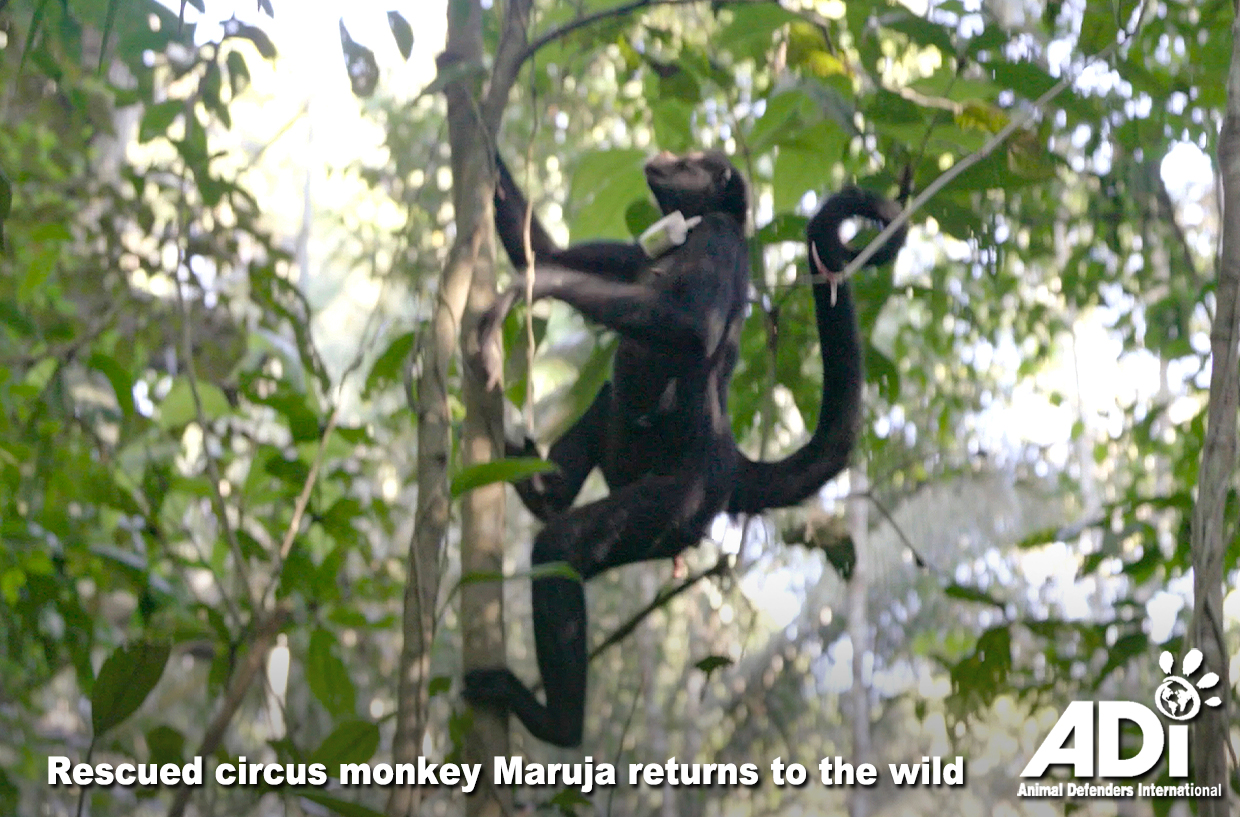
To finish on a happy note, enjoy our video about the rescue of spider monkey Maruja – proof that together we are making a difference. Thanks to ADI undercover investigations and campaigns, Peru banned wild animals in circuses. ADI then raided every animal circus, saving over 100 animals including lions, bears and monkeys. Much later, a circus, thinking no one was watching, was spotted with a monkey, dressed as a child. However, ADI was still watching. Maruja was seized, and returned to the wild. Enjoy.
This International Primate Day, please support ADI’s efforts to end the suffering of primates through our campaigns and education, support our work to secure legislation, then once the bans are in place – help us get the animals out!
The rescues are important to show industries that when we get bans, we mean it. They are losing their animals.
Then, the responsibility continues (and why not!). Help us get the survivors of cruel industries to the best home we can, and continue to provide for the monkeys, bears, lions, tigers and others, who are so damaged, they can never return to the wild. Let’s do our best for them.
With your support we are making a difference, no matter what obstacles are put before us, the animals we are saving are testament to that.
Although our efforts this past months seem to have been dominated by the journey of lions BenTzur and Ori, seized from the illegal wildlife trade in Israel, and stepping out at the ADI Wildlife Sanctuary in South Africa, there has also been so much happening on our worldwide campaigns agenda.
We have seen some important victories and progress – Brazil banning foie gras; US Congress passing the FDA Modernization Act; badger culling ended in England; Spain abandoning plans for a massive octopus farm; New Zealand ending greyhound racing, and more.
BenTzur and Ori’s story attracted international coverage and symbolized what can be achieved, as ADI engages with public and governments worldwide, for greater animal protection.
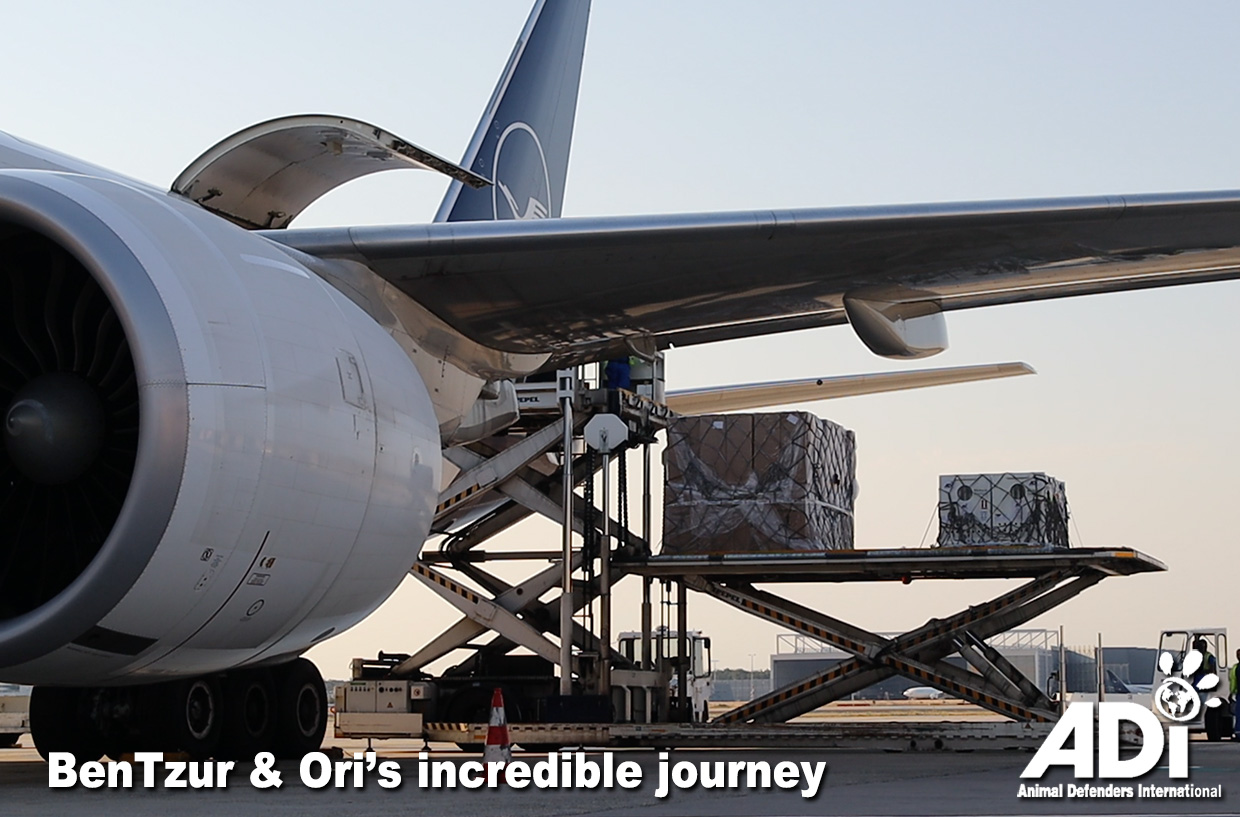
Freedom for rescued lions: These young lions seized from the illegal wildlife trade in Israel, were stranded for months due to the war in the region. So, when we learned of a cargo flight out of Tel Aviv, we seized the opportunity, and this month the boys flew home. With limited flights available, it was 50 exhausting hours – flying south to Cairo, then north to Frankfurt, and then after more than ten hours south again, to Johannesburg – 7,500 miles, almost 3,500 more than flying direct!
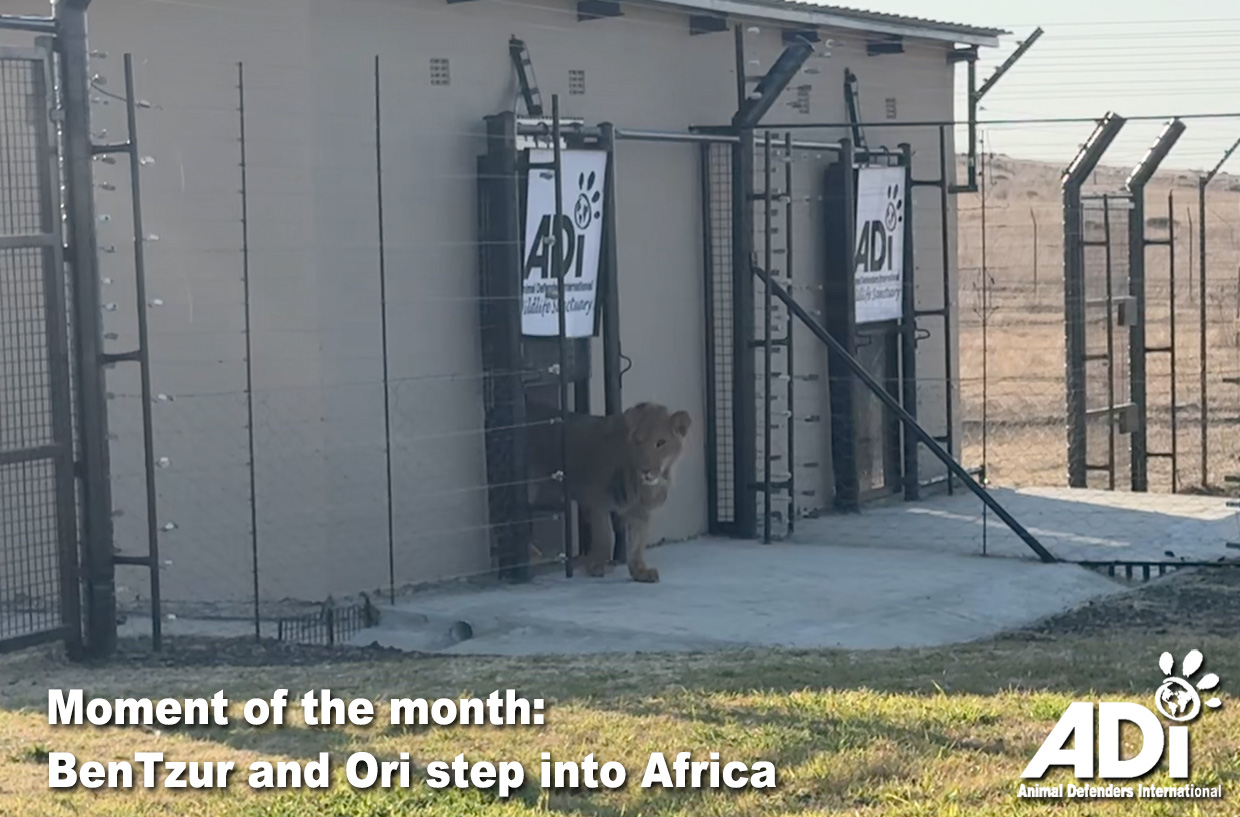
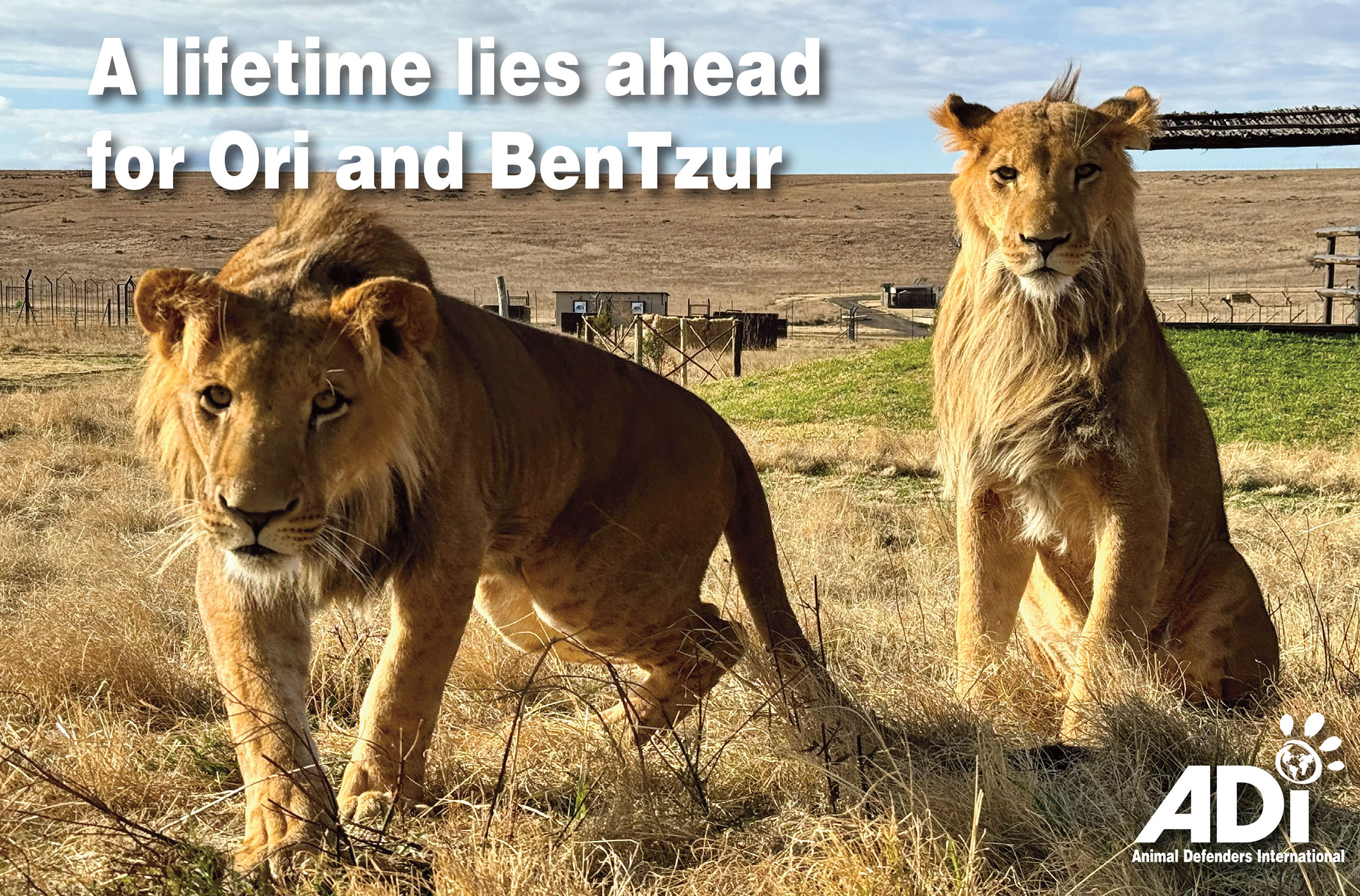
But it was all worth it, as BenTzur and Ori took their first steps on African soil and began to systematically map out their 2.5-acre Kakato Home Sweet Home Habitat at the ADI Wildlife Sanctuary. We were so proud of them. It has been remarkable how quickly they have grown in confidence, got to know their carers and enjoy every part of their habitat. They had to transition from a very hot summer in Israel, to a very cold mid-winter in Free State, South Africa. So each evening, we call them back into their heated house for dinner, and then to sleep. They are very content, they curl up together and then bound out to play in the bright winter sun, each morning.
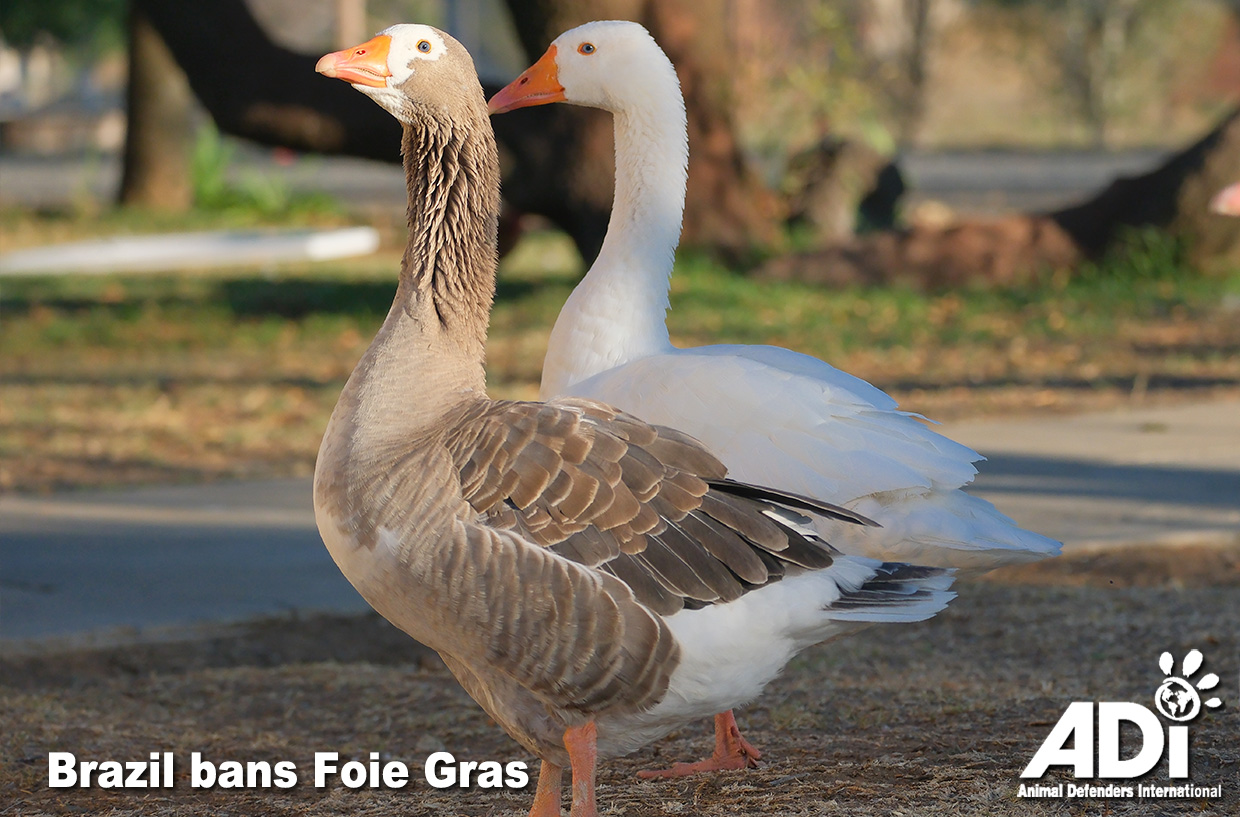
VICTORY for ducks and geese: Brazil has banned production and sale of foie gras. One of the cruelest foods in the world, foie gras is produced by repeatedly force-feeding ducks and geese through a tube pushed down their throats until their livers become diseased and abnormally enlarged. Brazil now joins a growing number of countries taking action against this cruel industry. Please continue to speak out against foie gras.
In the UK join ADI in speaking up and contact your MP urging them to ban these cruel imports. Find your local MP here.
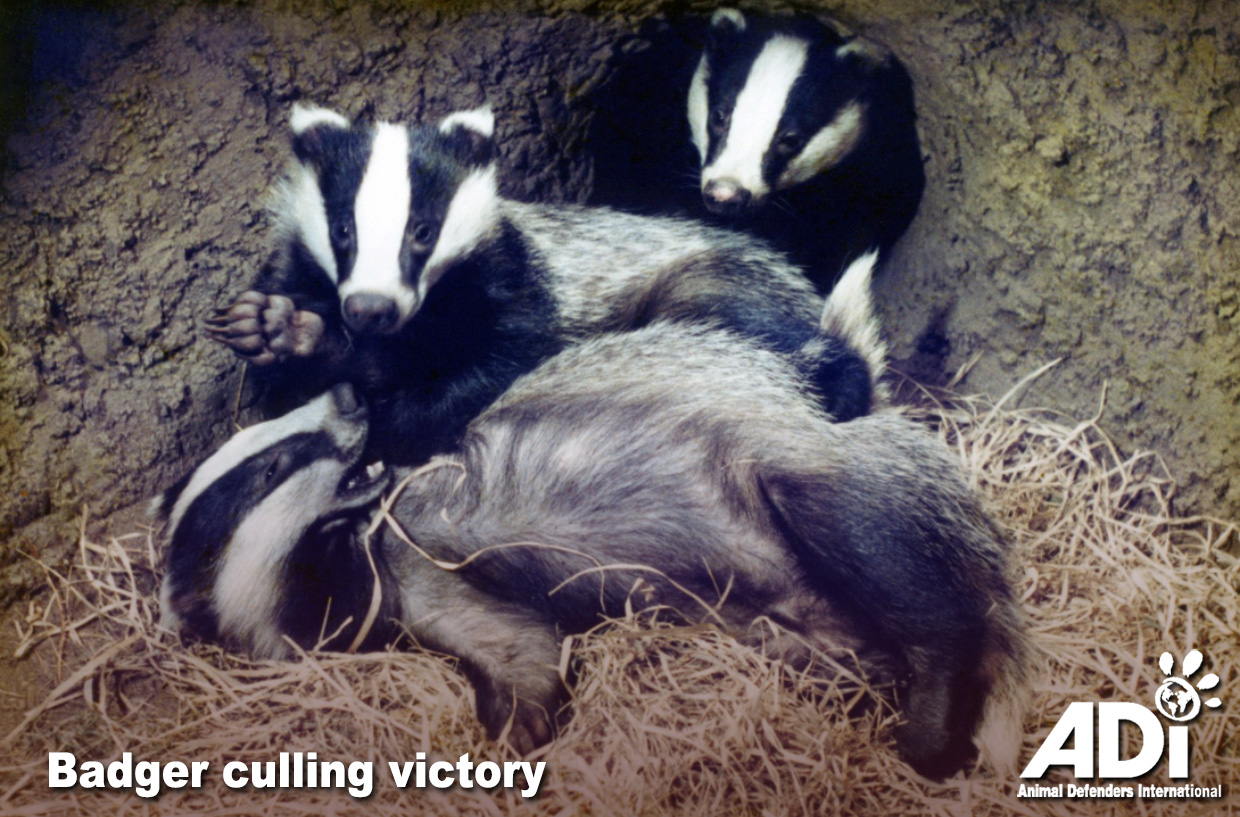
VICTORY! Badger killing licensesrevoked: Natural England (an advisory group sponsored by the Government’s Department for Environment, Food & Rural Affairs) has confirmed to ADI that they are revoking “the final remaining badger control license in Cumbria”, bringing licensed badger culling in England to an end. Government policy is now “a comprehensive bovine tuberculosis (TB) eradication approach focused on cattle controls, biosecurity, vaccination and wildlife disease surveillance”.
But there are opponents to this humane move, although it is backed by the scientific evidence. In Wales, Laura Anne Jones, MS, Reform UK, has presented a bill calling on the Senedd to consider implementing badger culling in Wales. Thankfully, Llyr Gruffydd MS, Cabinet Minister for Rural Resilience and Sustainability, has confirmed he will await recommendations from the TB Technical Advisory Group before considering any change in policy. This is another concerning proposal from Reform which would undermine animal protection – others include overturning the ban on hunting with hounds and reductions in environmental protection. Urge Reform to change these policies.
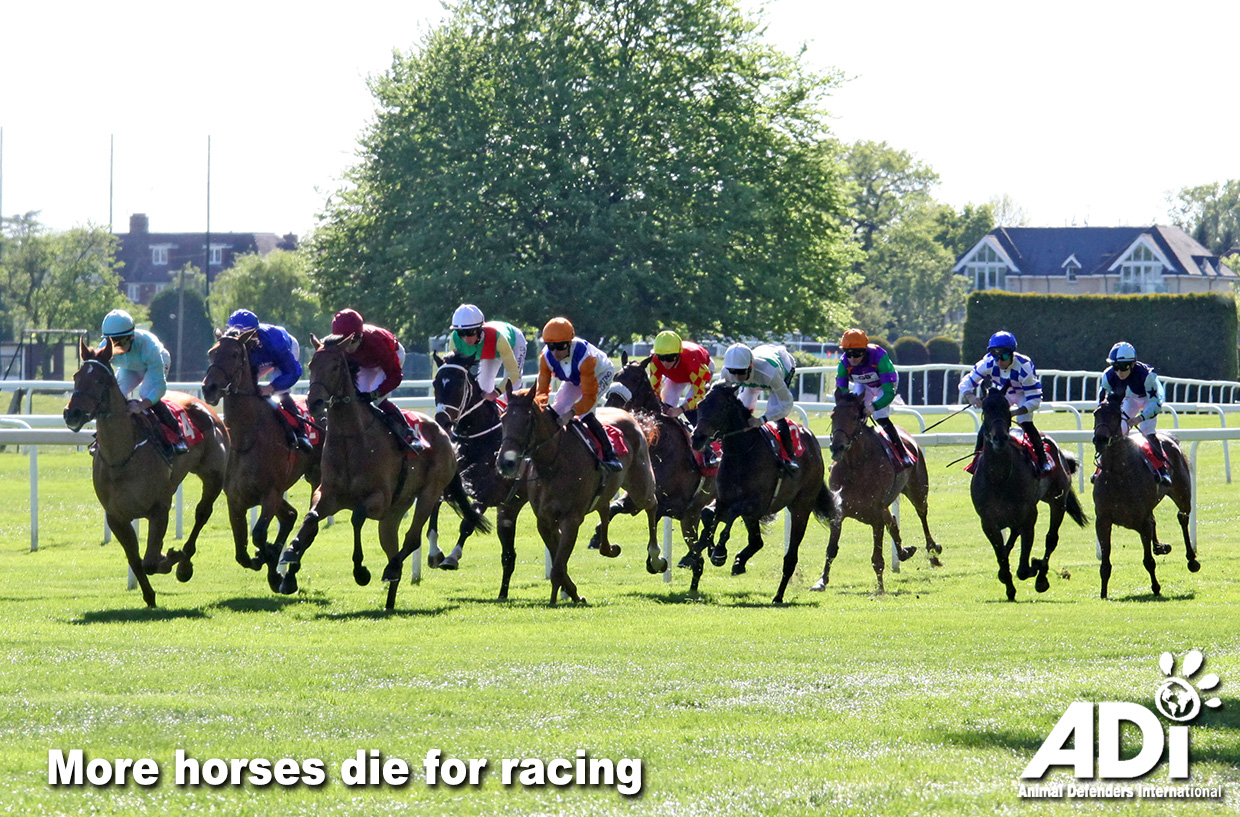
Over 200 horses have lost their lives on US racetracks this year. Of the 91 racetracks, Belmont Park in New York recorded the third highest number of deaths with 12, Santa Anita Park in California is second with 13 deaths, while three tracks are currently tied for the deadliest of 2026 with 18 death each – Oaklawn Park in Arkansas, Saratoga Harness in New York, and Parx Racing in Pennsylvania. 79 horses dead at just these five tracks since the beginning of the year.
The UK death toll is also rising in the UK. Six-year-old racehorse Cueros was euthanized/euthanised after suffering a broken leg in a fall during the Grosnez Handicap at Les Landes Racecourse in Jersey.
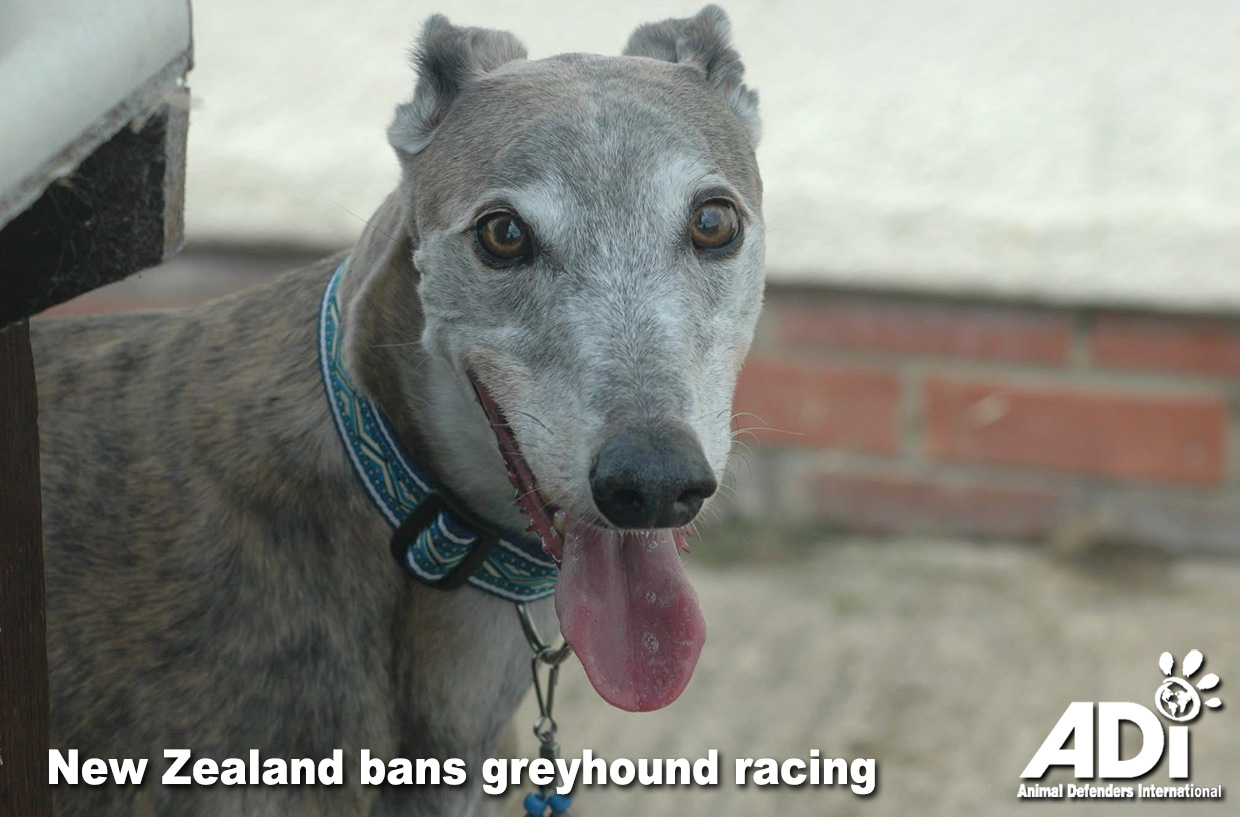
VICTORY: 150 years of commercial greyhound racing in New Zealand ended on 1st August.
Around 1,400 greyhounds now need to be rehomed, while around 150 are being sent to Australia, where some may continue racing.
In the UK, three greyhounds died at the residential kennels attached to Star Pelaw Greyhound Stadium in County Durham during the extreme heat. An investigation is underway.
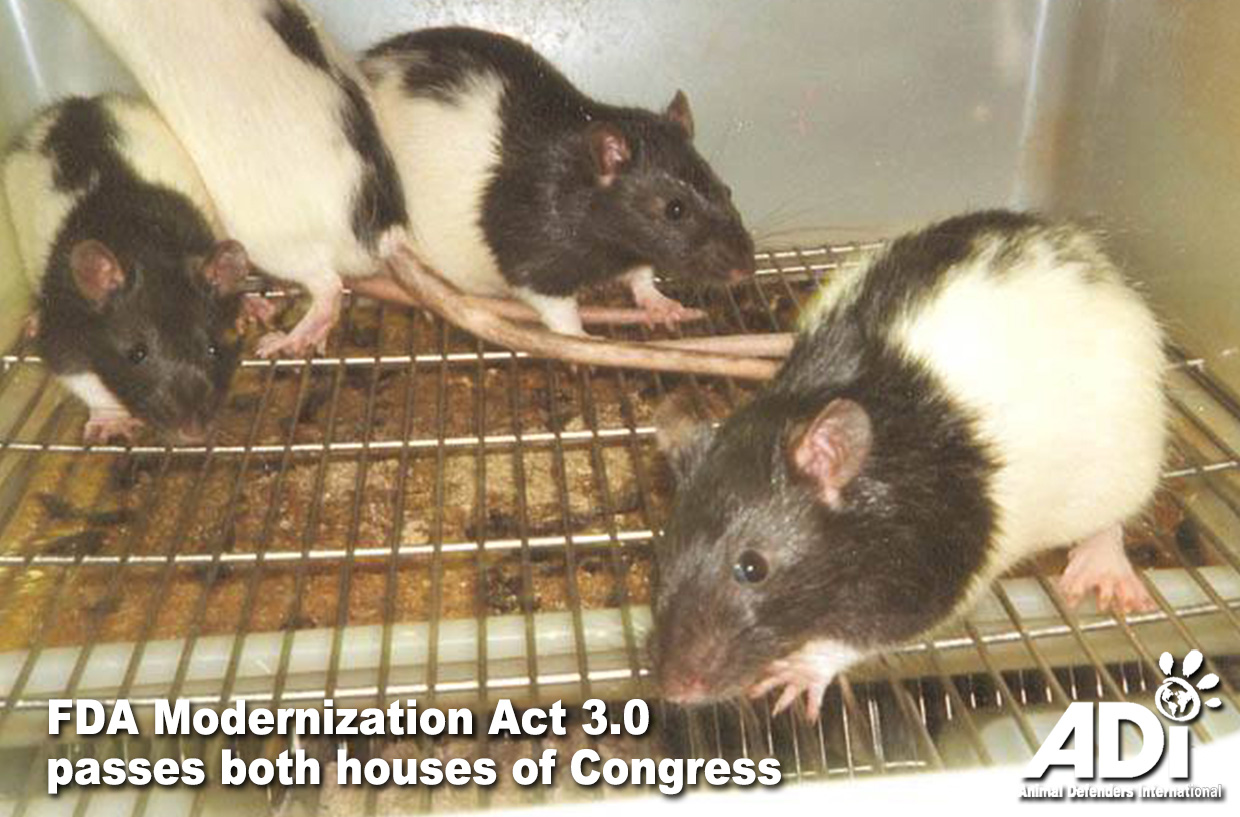
US Food and Drug Administration (FDA) to consider nonclinical tests, advanced replacement human-relevant methods called New Approach Methodologies, instead of animal tests. Although not a prohibition of any animal tests, the FDA Modernization Act 3.0 will require the FDA to consider non-animal methods when approving a drug or other product to go on the market. Nevertheless, it is hoped it will remove another obstacle to the elimination of animal tests. The Act has passed both houses of Congress and now requires the Senate to approve the House version of the bill, before it can go to the President to be signed into law.
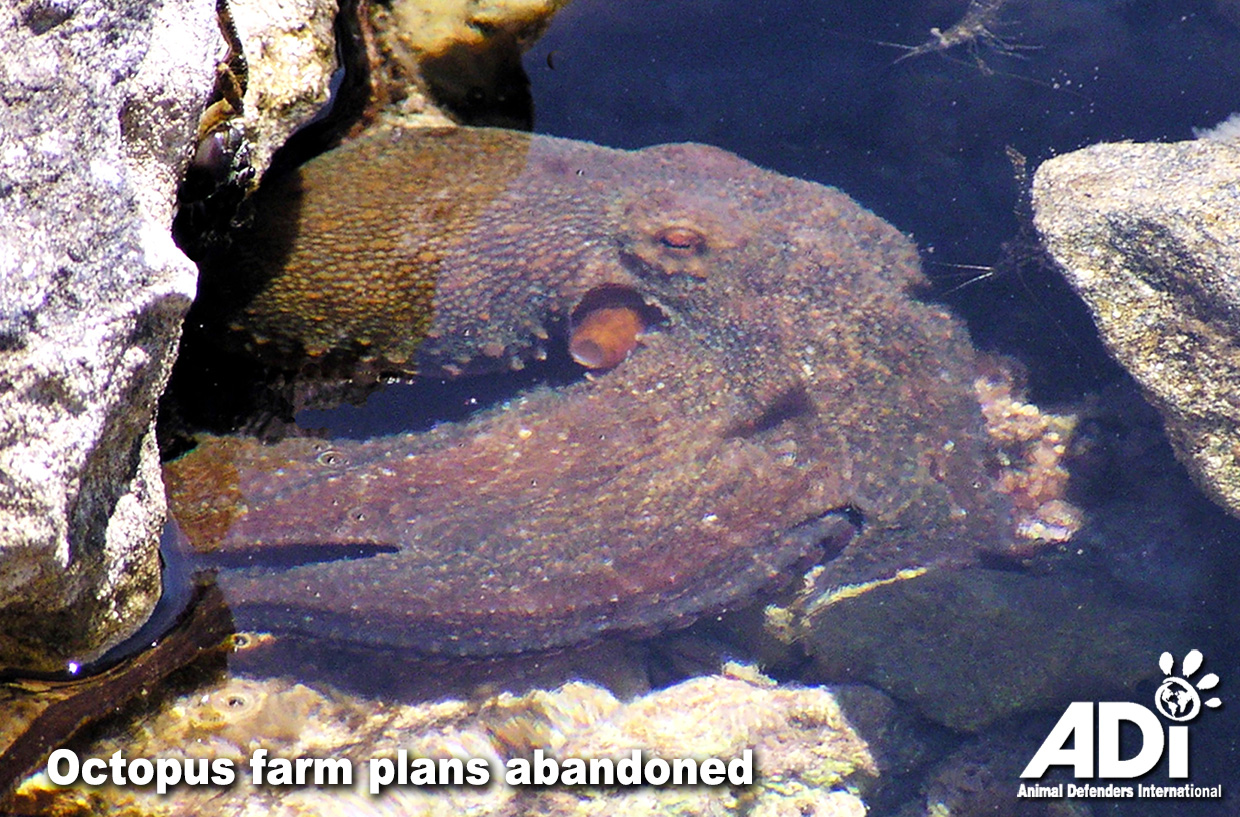
VICTORY: Nueva Pescanova drops plans for the world’s first commercial octopus farm in Gran Canaria, Spain. Up to one million octopuses a year would have been farmed at the facility for meat. This is a major victory for these intelligent, sentient animals and for everyone who spoke out against the proposal. ADI continues to call for a UK ban on imports from octopus farms and in the US, ADI is backing state and federal measures to prohibit octopus farming.
UK Government fails to phase out F1 monkeys in labs. 16 years ago, after an intense ADI campaign, the use of wild caught monkeys was banned in UK and European labs. There was also a commitment to phase out use of F1 monkeys – monkeys born to a female monkey taken from the wild. Yet, the latest UK government statistics reveal almost half of the monkeys used, 859 (47%) were F1 – almost double the previous year. The figures indicate that the monkey dealers in Asia and Mauritius have continued to stock their factory farms with wild caught monkeys.
Contact your MP and urge the Government to accelerate reducing the number of animals in experiments and prohibit the use of F1 primates and supply of animals from unlicensed/uncontrolled suppliers.
This week, the Lawrence County Fair is hosting Banana Derby – monkeys strapped onto dogs as ‘jockeys’, as the dogs race around makeshift tracks to entertain crowds. The terrified monkeys are thrown about as the dogs career around the course.
Contact the fair and urge them not to host the Banana Derby anymore and to adopt an animal-free entertainment policy: 📩 lawcofair@gmail.com 📞 724-654-7745
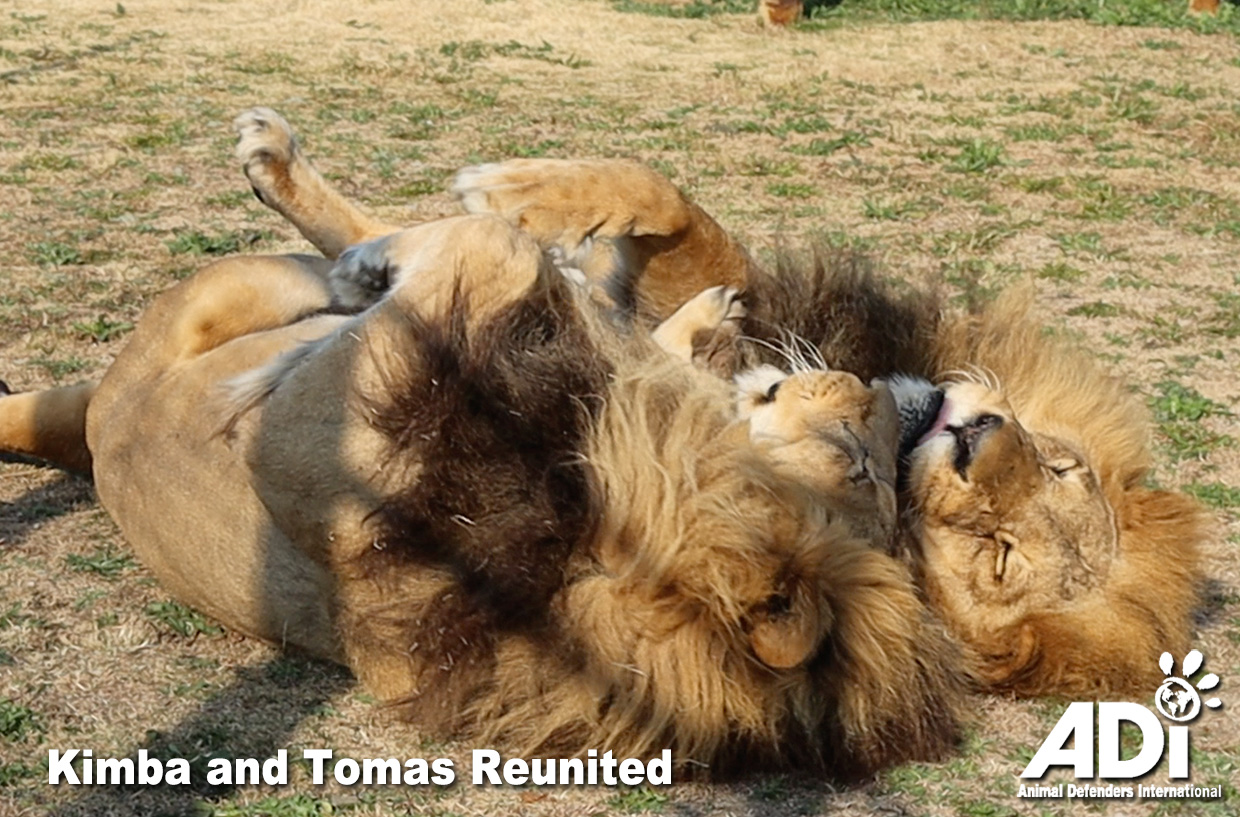
Emotional reunion for lions at ADIWS. Senior lions, Kimba and Tomas were born in a circus in Guatemala but separated when Tomas was sent to a zoo in the capital city. When ADI removed all the circus animals, the zoo sent Tomas to our Temporary Rescue Unit, with 20 minutes’ notice! They now live together at the ADI Wildlife Sanctuary in South Africa and rarely apart. When Kimba had a recent hospital checkup, there was an emotional reunion on his return, watch it here.
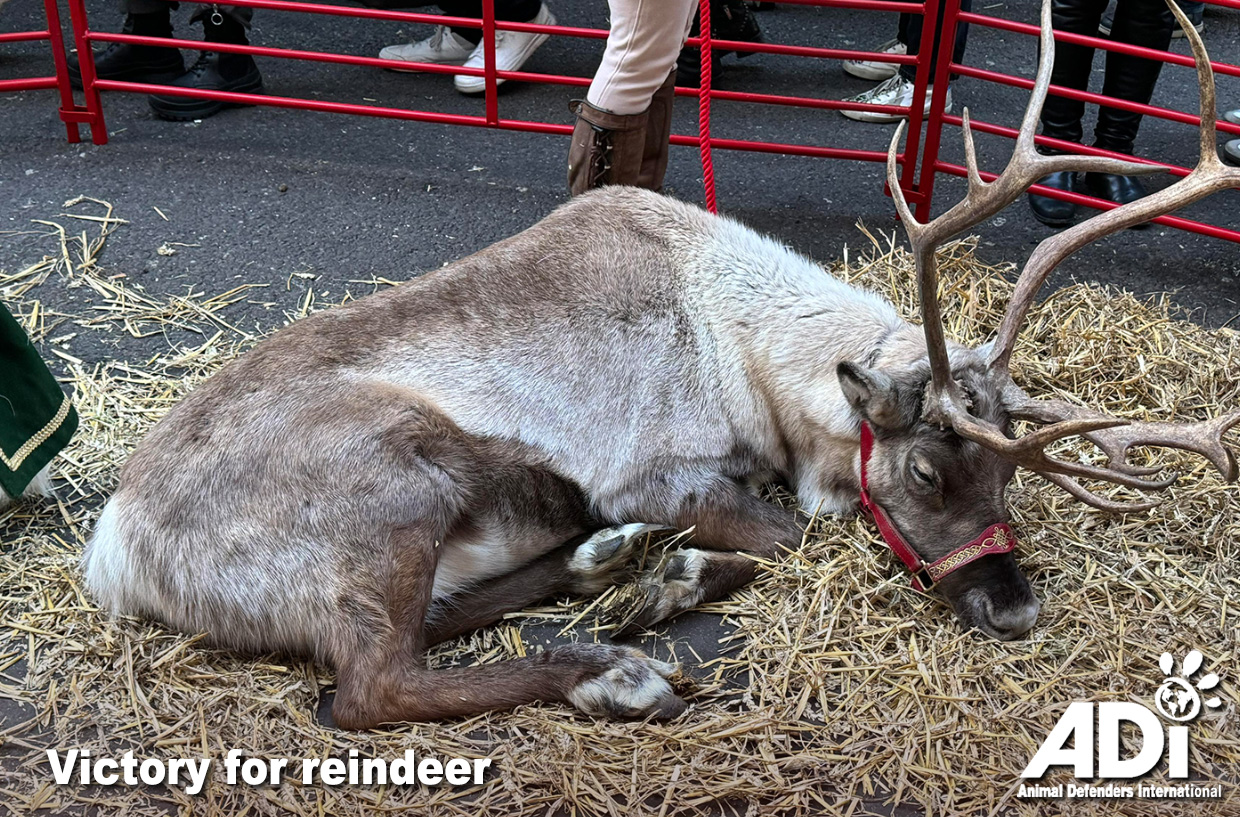
VICTORY: MP Sarah Dyke’s Bill to recategorize reindeer as domestic animals died. Thank you to everyone who responded to us to oppose this attempt to strip reindeer, used for public events, such as Christmas shows, of the rudimentary protections they have as wild animals, e.g. requiring a local authority licence/license, basic zoo welfare standards such as minimum enclosure sizes. The bill passed the first stage in the House of Commons, but thankfully it lost momentum and ran out of time – your overwhelming opposition is sure to have helped!
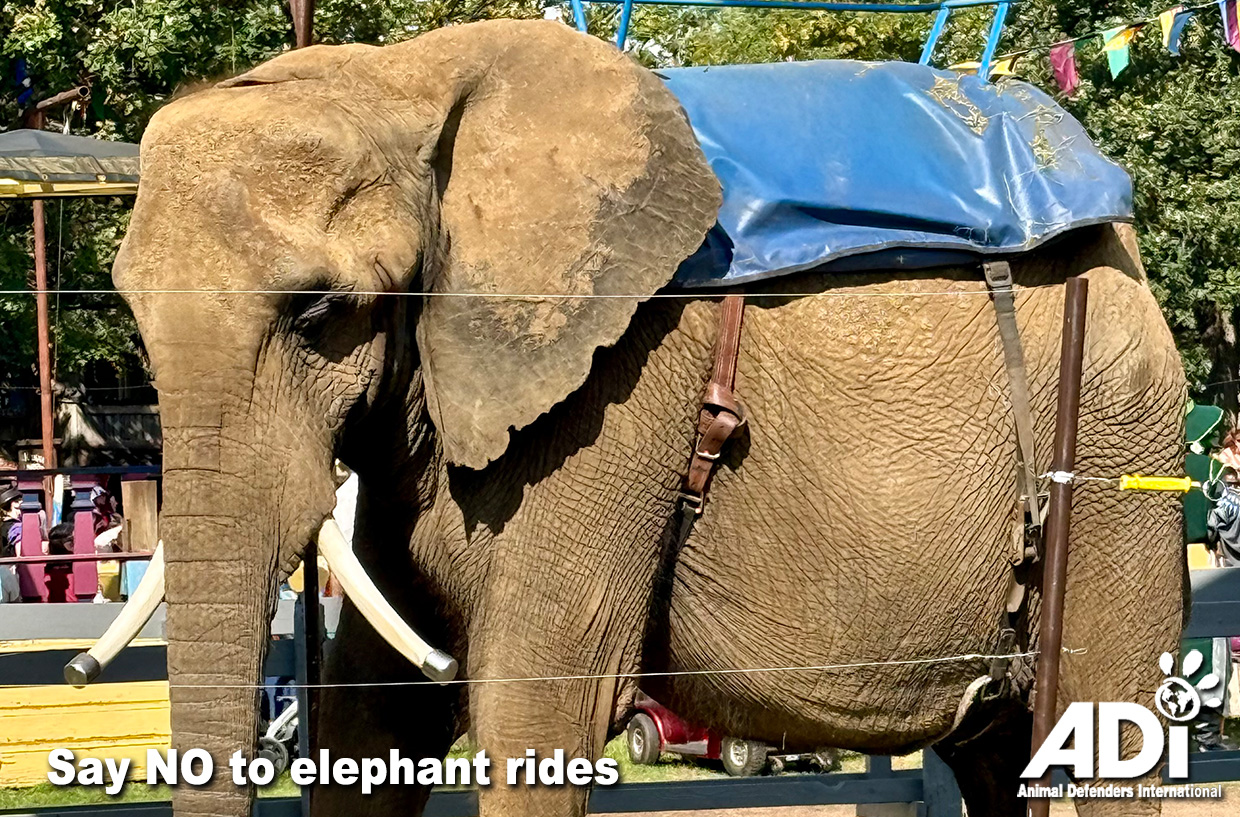
The Minnesota Renaissance Festival is hosting elephant, camel, pony, and llama rides until October 4. These animals endure long hours in cramped trailers, then are kept in small temporary paddocks, tethered or chained by the legs. Their only exercise is being forced to walk around in small circles carrying people on their backs – something painful and damaging for the spines of elephants, and suffering for others. Violence is commonplace in the training of these performing animals.
The festival has historically worked with notorious elephant ride provider Trunks & Humps, exposed by ADI when we filmed presenter Mike Swain beating, shocking and even dragging elephant Krissy to the ground with a hook, to kick her in the face.
Contact the festival at entertainment@renaissancefest.com and politely urge them to end all animal rides and adopt a no animal policy. If you live in the Shakopee, MN area, and want to join the local protests, please contact us at usa@ad-international.org for details.
Baby owls learning to fly. Four baby owls arrived at the ADI Wildlife Sanctuary a month ago. They had fallen from their nest on top of a silo at a local farm, and their parents had not returned. This was a new challenge for the ADIWS. The owlets initially moved in with Brenton Bester, ADIWS Wildlife & Education Director, then into an aviary in the Non-Predator Reception Area (NPRA) where they are now learning to fly.
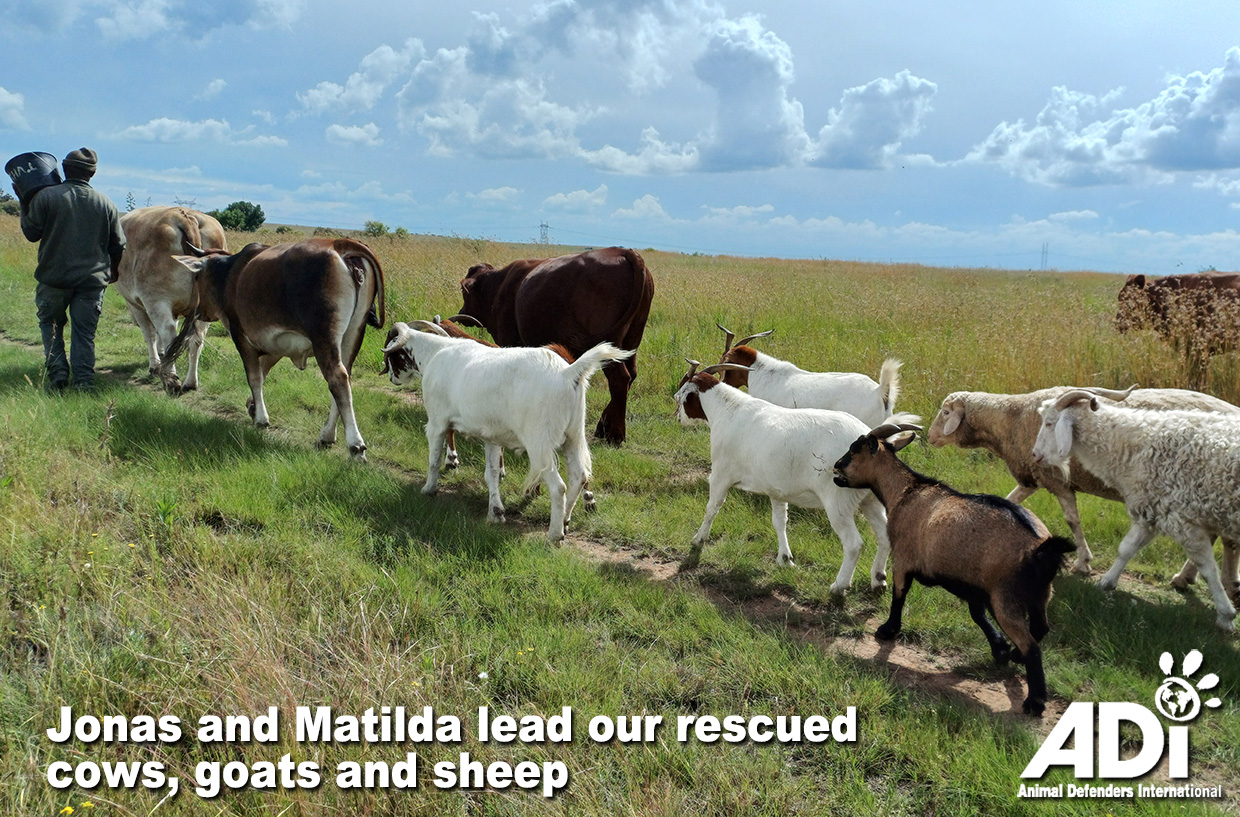
The NPRA was built thanks to supporter donations earlier this year, and now home to many new rescues, including three peacocks, chickens, two springboks, over 60 baby tortoises (being protected from the winter), a duiker deer, and our horses and donkeys when they need to be kept in for veterinary treatment.
Owl houses have been put up around the Sanctuary and a soft release is planned in the near future – the aviary will be opened, and they will be able to return for food if they wish. One owl is not as advanced as the others, and may have been injured in the fall the nest – a veterinarian is monitoring.
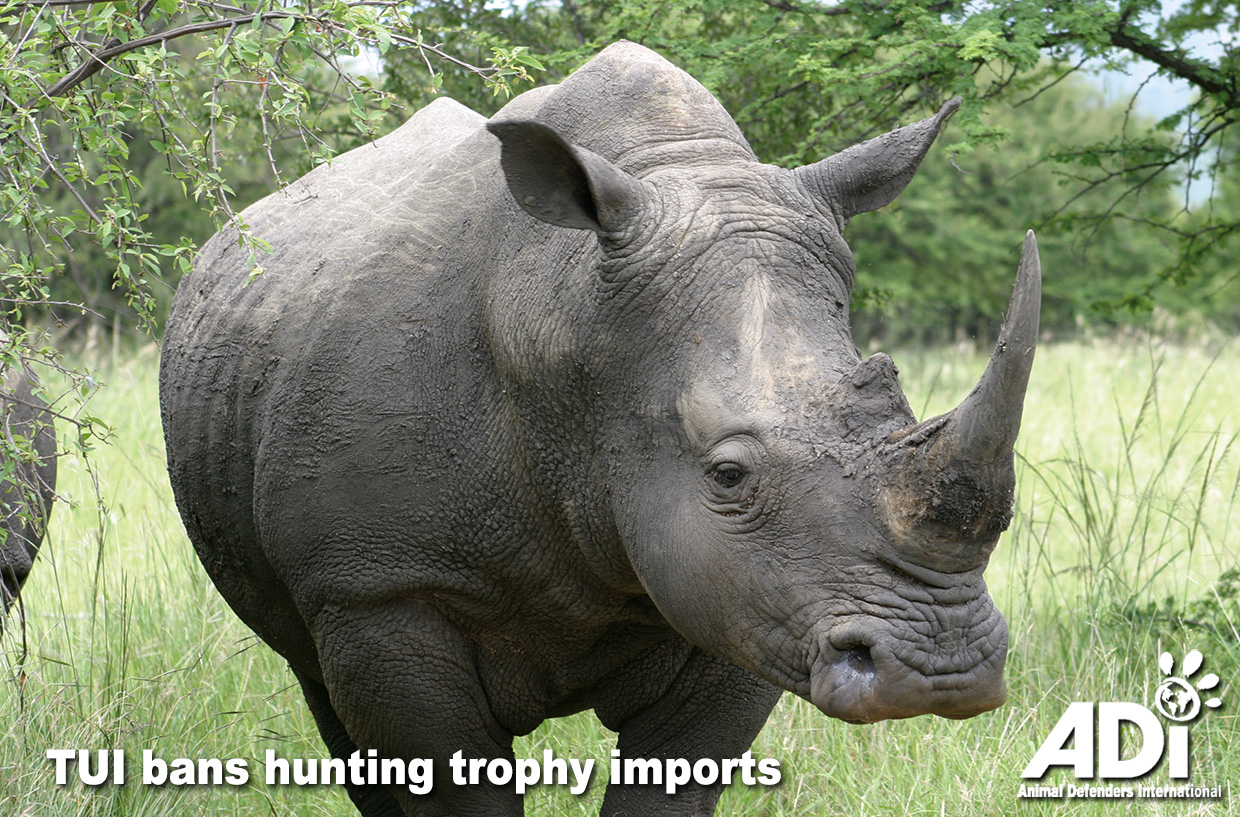
VICTORY: British charter airline, TUI Airlines, updates animal welfare policy to end transport of hunting trophies. TUI joins a growing list of some of the biggest international air cargo companies who have taken a stand against trophy hunting, including Emirates SkyCargo, Qatar Airways Cargo and DHL Express. Each new company adopting this commitment is one less option for hunters wishing to import their sick trophies.
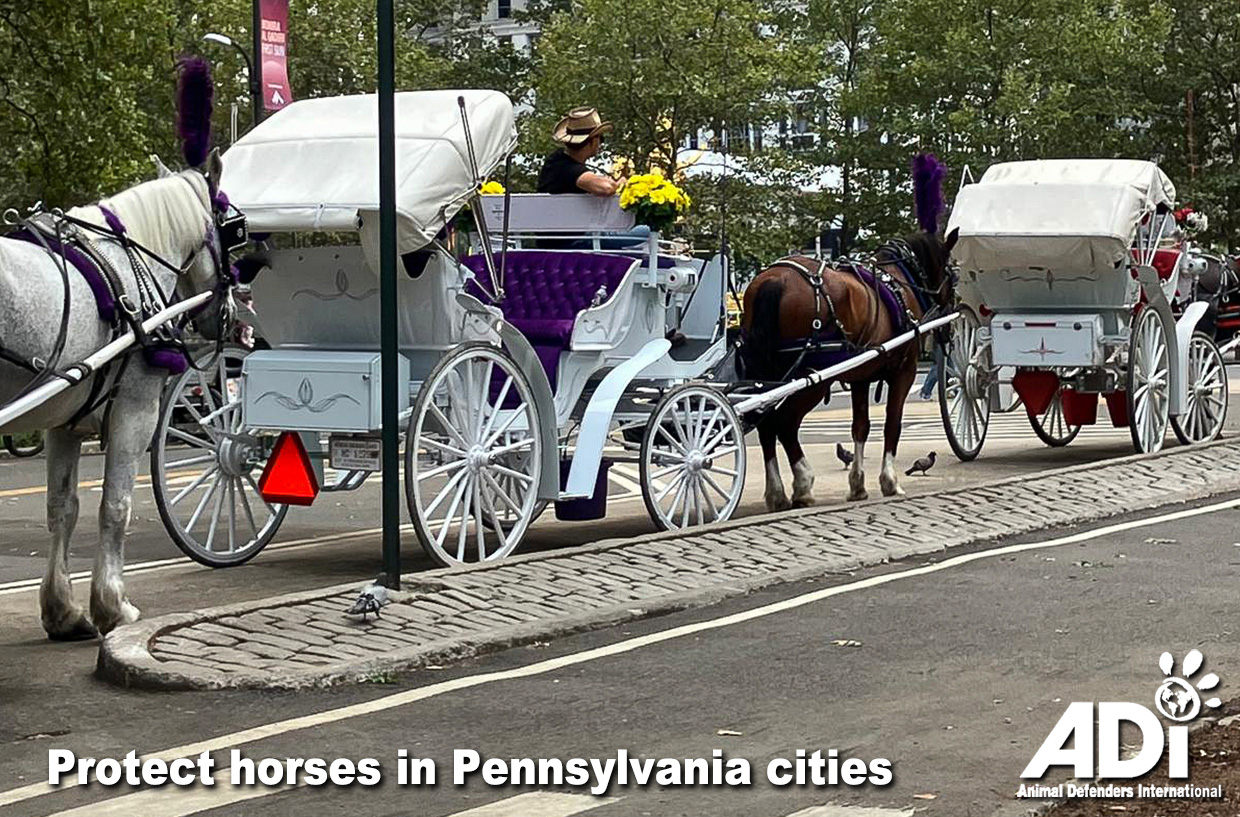
Move to ban horse-drawn carriages across Pennsylvania. Philadelphia has already banned horse-drawn carriages but now, PA House bill 2713 proposes prohibiting horse-drawn carriages in every Pennsylvanian city with a population of 100,000 or more – PA cities, like Pittsburgh and Allentown, would have to cease all horse-drawn carriage operations. Horses used for carriage rides work in extreme heat, breathe exhaust fumes, and navigate terrifying traffic in modern cities, risking injuries to both horses and people. Consequently, an increasing number of cities around the world are banning them.
If you live in PA, please urge your state representatives to support bill 2713 to prohibit horse-drawn carriages, find them here.
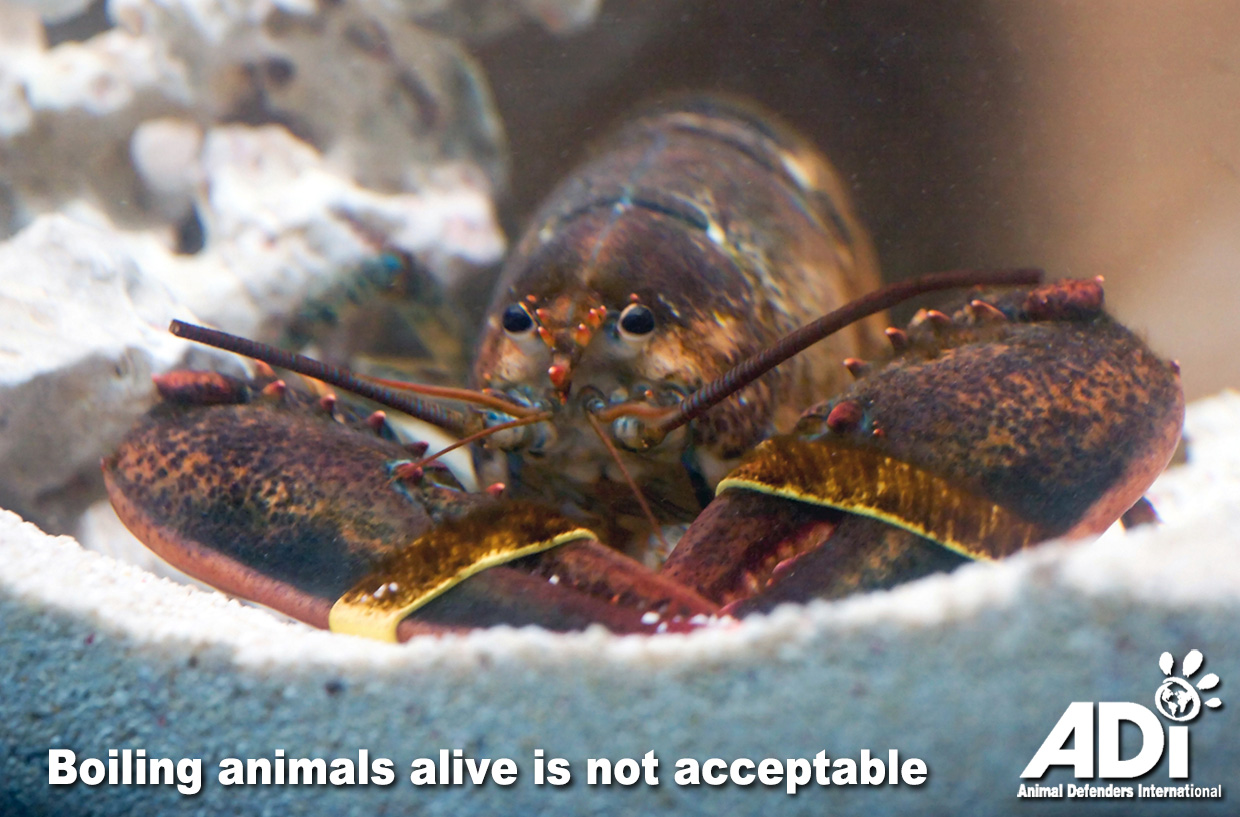
Llyr Gruffydd, Wales Minister for Rural Resilience and Sustainability, tells ADI that Wales is working to end boiling alive of suffering of lobsters. Responding to ADI, the Minister confirmed that Wales does not consider boiling animals alive to be acceptable, and Welsh officials are working with the Department for Environment, Food & Rural Affairs (Defra) to develop guidance on the humane killing of decapod crustaceans. He further advised that The Animal Welfare Committee, an expert group from all three British Governments, is conducting an independent supply chain review on the welfare impacts of the capture, landing and handling of these animals.
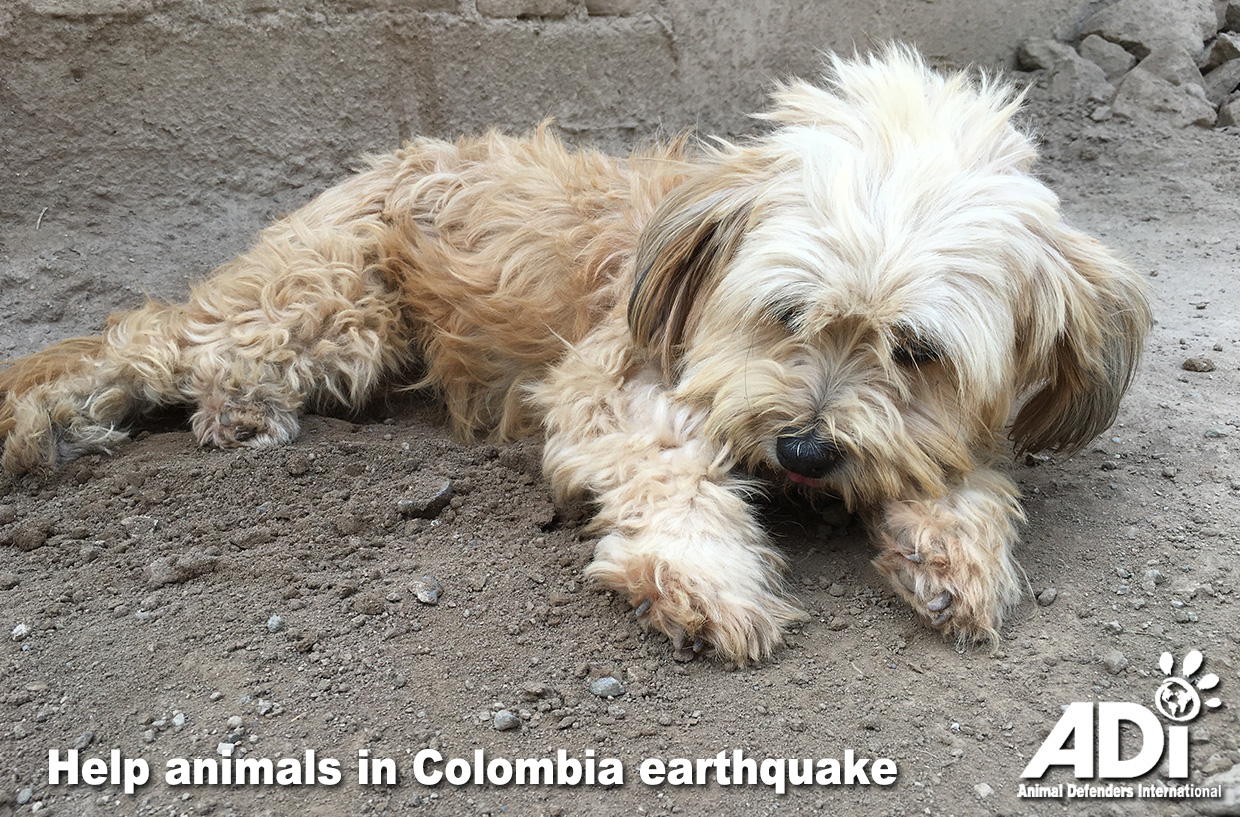
New law calls for help for animals after Colombia earthquake. An earthquake in western Colombia has caused severe damage in Chocó, Valle del Cauca, Caldas, Risaralda, and Quindío, destroying buildings, and causing loss of human and animal lives. Colombia recently enacted Law 2474 of 2025, authored by Senator Esmeralda Hernández, which recognizes/recognises animals as subjects of care and rescue during disasters and emergencies. Consequently, various government institutions are including animals in their protocols. However, the support of the public and animal protection groups is essential to guarantee food and veterinary care for victims rapidly enough in this state of emergency. ADI Colombia is working to help.
You can donate – US $, CA $ | UK £, Euros, Rand – to help the ADI Colombia team to support animal emergency work and rescues.
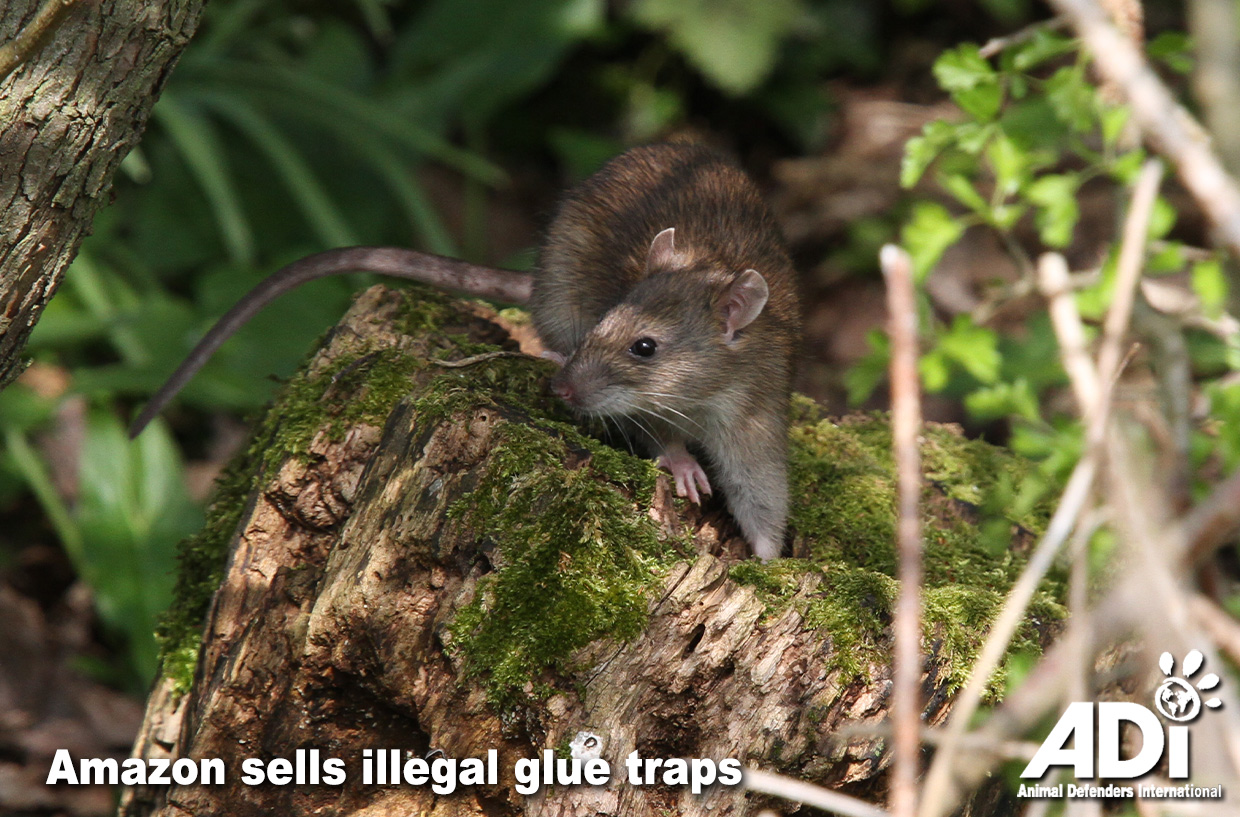
Glue traps are extremely cruel, indiscriminate, and illegal across the UK, yet openly and cheaply sold on Amazon. Trapped animals suffer severe injuries, starvation and dehydration lasting hours or even days, before death. Wales and Scotland have both passed bans on all uses of glue traps. In England, only licensed professionals are still permitted to use them in exceptional circumstances.
However, on Amazon.co.uk glue traps are cheap, easy to find and most importantly, come with no warning that customers are likely breaking the law and risking large fines, and even prison time, by using them. ADI has written to John Boumphrey, Amazon’s UK & Ireland manager but we need your help to stop these sales. Take action here.
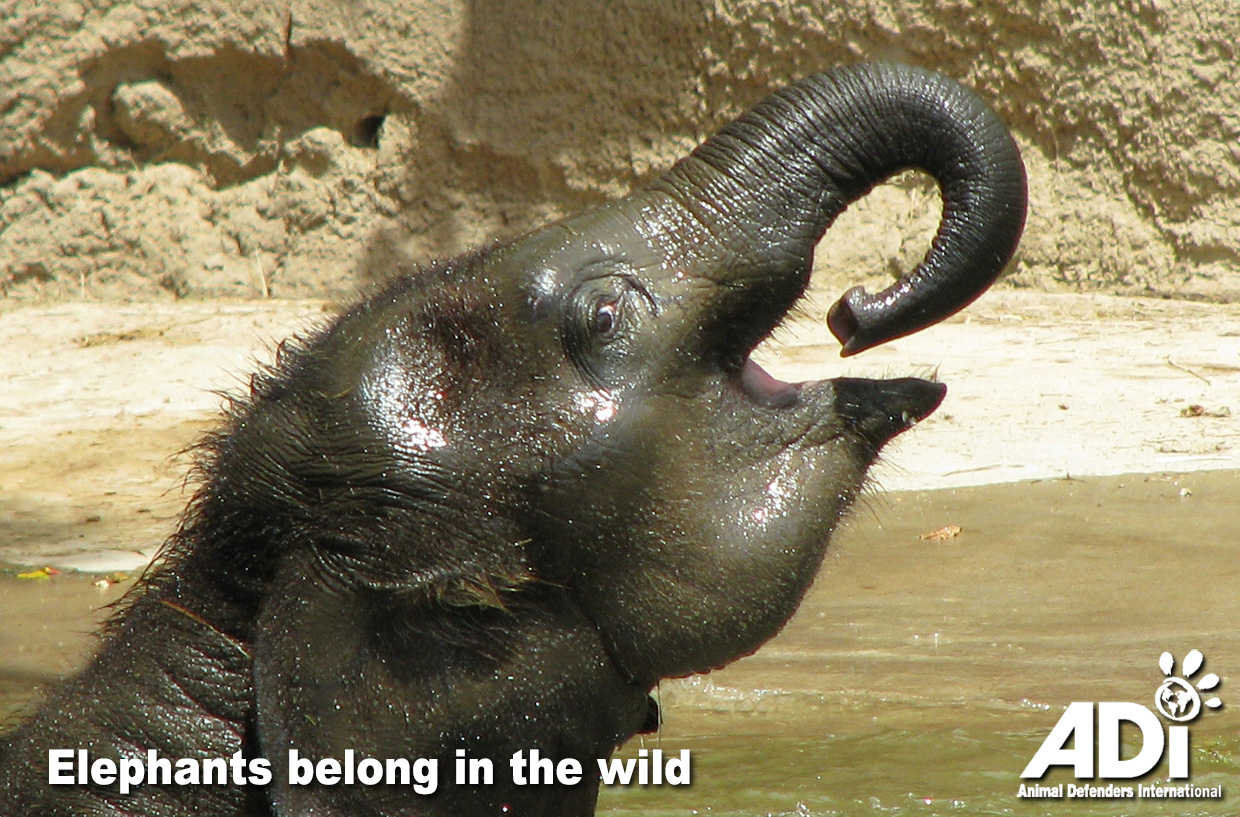
Baby elephant faces a lifetime of captivity: ZSL Whipsnade Zoo recently announced the birth of a male Asian elephant calf. Celebrated as a conservation success story, the reality is this calf will not be going back to the wild but faces a lifetime of stress, confinement – in the wild the range of an Asian elephant can span 125 square miles in a lifetime – and likely separation from his family through future transfers to other zoos. With developing understanding of the complex social and environmental needs of the species, it is alarming that zoos continue to breed to perpetrate their own captive elephant populations, whilst providing no meaningful contribution to the conservation of elephants in the wild. Never support attractions that exploit elephants for entertainment.
Never forget BenTzur & Ori’s journey home with our limited edition fundraising T-shirt and hoodie, all proceeds of which will help care for the lions. Orders will be sent out on 4 September. View and order here.
As you can see from this round-up, our rescues are just one aspect of ADI’s work to permanently change the status of animals in laws around the world. The rescue of BenTzur and Ori featured in media all over the world and has, we hope, opened the eyes of many people to suffering of wild animals as ‘trophy pets’ used for ‘likes’ on social media.
Last week, following their journey from Israel to South Africa, Ori and BenTzur took those first magical, giant steps, into their new habitat at the ADI Wildlife Sanctuary.
Saved from the illegal wildlife pet trade, they had never experienced so much space, and as they explored and mapped out the acres of their new home, it symbolized so much of what we are working to achieve – giving animals back the life stolen from them, working to create public awareness, and bring about permanent change through legislation and law enforcement.
STOP PRESS Ori & BenTzur T-shirts: Never forget Ori and BenTzur’s journey home from Tel Aviv to Cairo to Frankfurt to Johannesburg and finally the ADI Wildlife Sanctuary, with our new fundraising T-shirt and hoodie launched at the weekend. Shirts and hoodies will be sent out on 4th September. All proceeds help the lions. Check them out here. http://bonfire.com/bentzur-ori
Ori and BenTzur are not yet two years old and could enjoy 20 years of peace and freedom in our care, and that is what I want to talk to you about today – securing the future for them and the animals around the world, who still need our help.
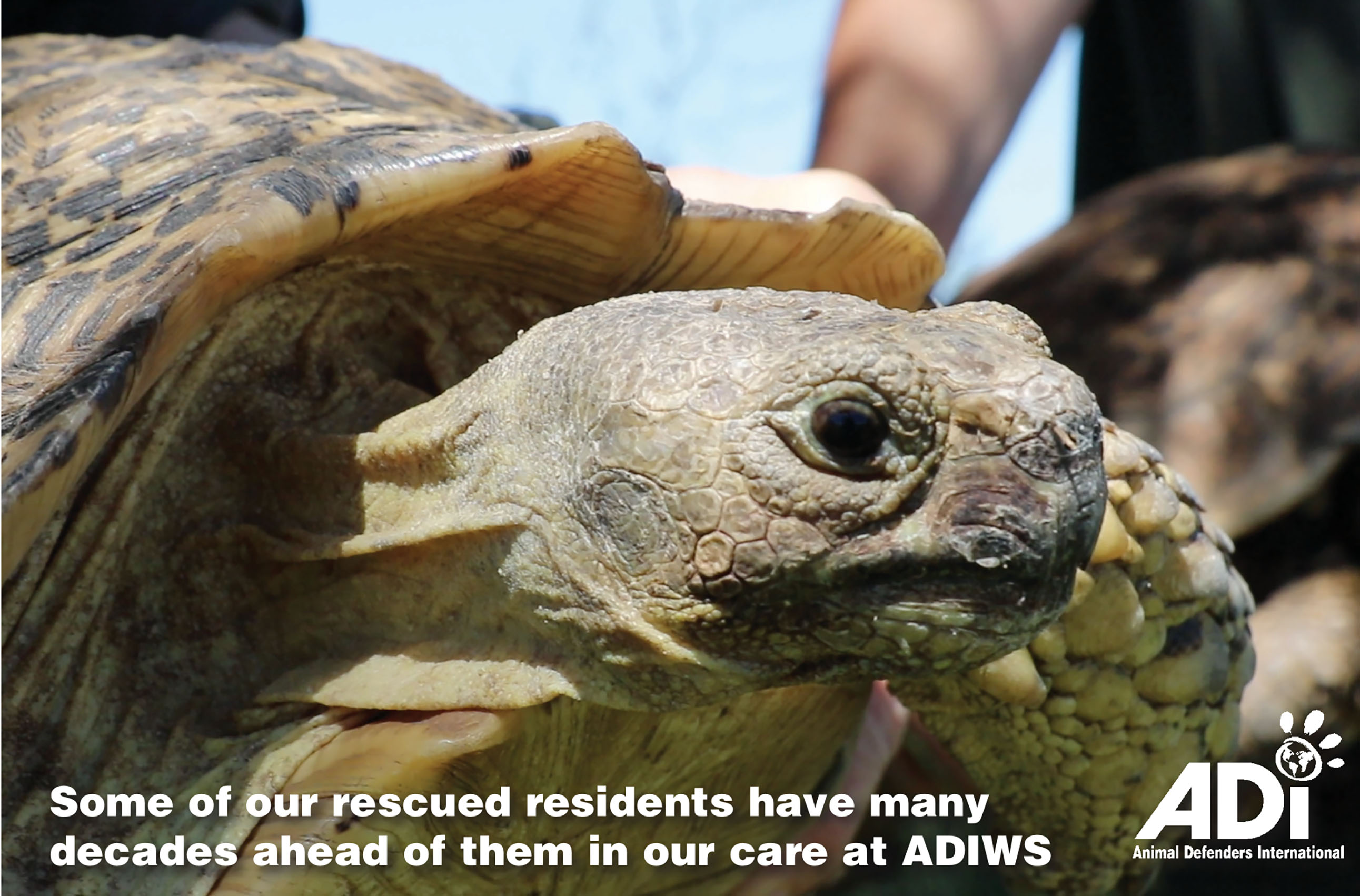
Some of the young leopard tortoises at ADIWS, seized from traffickers in South Africa and currently in our nursery, will eventually be released here and will outlive all of us reading this today, as they can live to 100 years old.
I celebrated another birthday at the weekend, and Tim and I are working hard to secure the long-term future of the tortoises, lions, tigers and all other residents, long after we are gone. We are building a worldwide organization which simply MUST continue, for the sake of the animals here now, and all those who will need it in the future – long after we are no longer feeding and watering lions, tigers, monkeys, bears and others on epic flights to freedom!
August is Make a Will Month in the US.
Can you be part of the future for the ADIWS?
The most important way you can pledge to be there for the animals in the future is by making a bequest in your will/estate – to ensure that the work continues after you have passed on. Creating a will can protect your own loved ones, pets and secure your assets, while simultaneously ensuring lasting support for the causes you care about most. It is a way of remembering the people and animals that have touched your life.
Legacy/Estate gift planning can simplify administration of your estate, leaving less of a burden on loved ones and provide tax advantages to those you wish to benefit. If you do not write a will, then you risk others deciding where your assets should go.
It you are wanting to support good causes, only you know exactly what those are – simply leaving it to loved ones to decide which animal cause you would want to help, may mean the one closest to your heart misses out.
We know ADI is just one of many animal protection organizations ranging from the tiny to some with vast resources. What makes ADI distinct, is our range of work – we combine investigations to expose suffering and abuse, educate, create awareness for public, legislators, and law enforcement, securing laws, then rescuing the animals involved and provide lifetime care at our sanctuary (and others we fund).
I believe our work is marked by our achievements, for example:
Bans on animals in circuses secured worldwide over past 30 years, from original groundbreaking investigations
Ending cosmetics testing on animals in multiple countries; exposure of suffering, funding advanced non-animal methods to replace animal use
Securing bans on bullfighting and other cruel entertainment in Latin America and elsewhere
Ending the use of wild caught monkeys in European laboratories
Exposing the traffickers, the labs, the animal trainers, pushing animal protection laws forward
Following animal protection legislation with unique strategy to remove the victims, such as emptying all the circus cages in some countries.
But there is so much more to do. We are at a point where real progress can be made to end the use of animals in laboratories. ADI has always combined scientific critique of use of animals with exposure of the suffering, while also funding advanced, non-animal technology to replace animal use, now known as NAMs (new approach methodologies), which is being taken up in the US, UK, Europe and elsewhere.
As we relentlessly close down the animal circuses (over 50 countries with bans), social media has grown and become the propagator of keeping wild animals, like lions, tigers, monkeys and others as ‘trophy’ pets in inappropriate and often cruel conditions and displays of abuse as ‘fun’. A whole new challenge.
A legacy in your Will is a commitment to the battles for animals to come and the animals yet to be saved. A way of ensuring that your belief in respect and compassion for the other species who share our planet, continue into the future.
Some are wary of writing a Will because it feels like tempting fate. In fact, statistically, people who write Wills, on average, live longer than those who don’t – perhaps because they are forward thinking.
Others feel that they do not have much to leave, they think that Wills are for the wealthy. But most people accumulate property throughout their lives and it can come to a surprising amount.
People can, understandably, want to benefit their spouse or children first and foremost; in these cases, a ‘residuary’ gift is often appropriate. This is where specific amounts or items are bequeathed to individuals, and what is left over is given to a charity or divided amongst a group of charities.
Legacy gifts are ADI’s largest source of income. Every aspect of the work we do depends on this vital funding, from scientific studies to replace use of animals or argue the case for animal protection, to rescue of animals in distress. And of course, writing a Will has no financial impact on you right now. It is a pledge for the future, and we hope, many years into the future.
Tim and I have both made bequests to ADI in our Wills. We want this work to continue long after we are gone – we certainly hope that is long into the future! However, if anything were to unexpectedly happen to us, we have contributed to ensure our dear BenTzur, Ori, Saif, Aziza, Dhubiya and all the other family, continue to be cared for, along with our mission to change the world for animals.
I hope you feel the same and can help as well.
August is National Make-A-Will Month in the US, and through our partnership with FreeWill, you can create your will online in just 20 minutes – at no cost to you. Create your free will.
If you are in the UK, writing a Will is not as complex as you think, you can find out about it here.
Thank you for being a part of the ADI family, cheering on our latest rescue of BenTzur and Ori, and helping us change the world for animals. Your support means the world to us.
P.S. If you have already included ADI in your estate plans, please let us know by completingthis form (US) or sending a message about your pledge to ADI / ADI Foundation at execassist@ad-international.org. We would love to thank you for your generosity!